

Germany's Frigate Shift: A New Course in Naval Defense
Germany opted to cancel its F126 frigate program due to cost overruns and delays, impacting Rheinmetall's stock. The project has been replaced with eight smaller Meko A-200 frigates from Thyssenkrupp, boosting TKMS's market value. This decision brings significant implications for Europe's defence industry landscape.
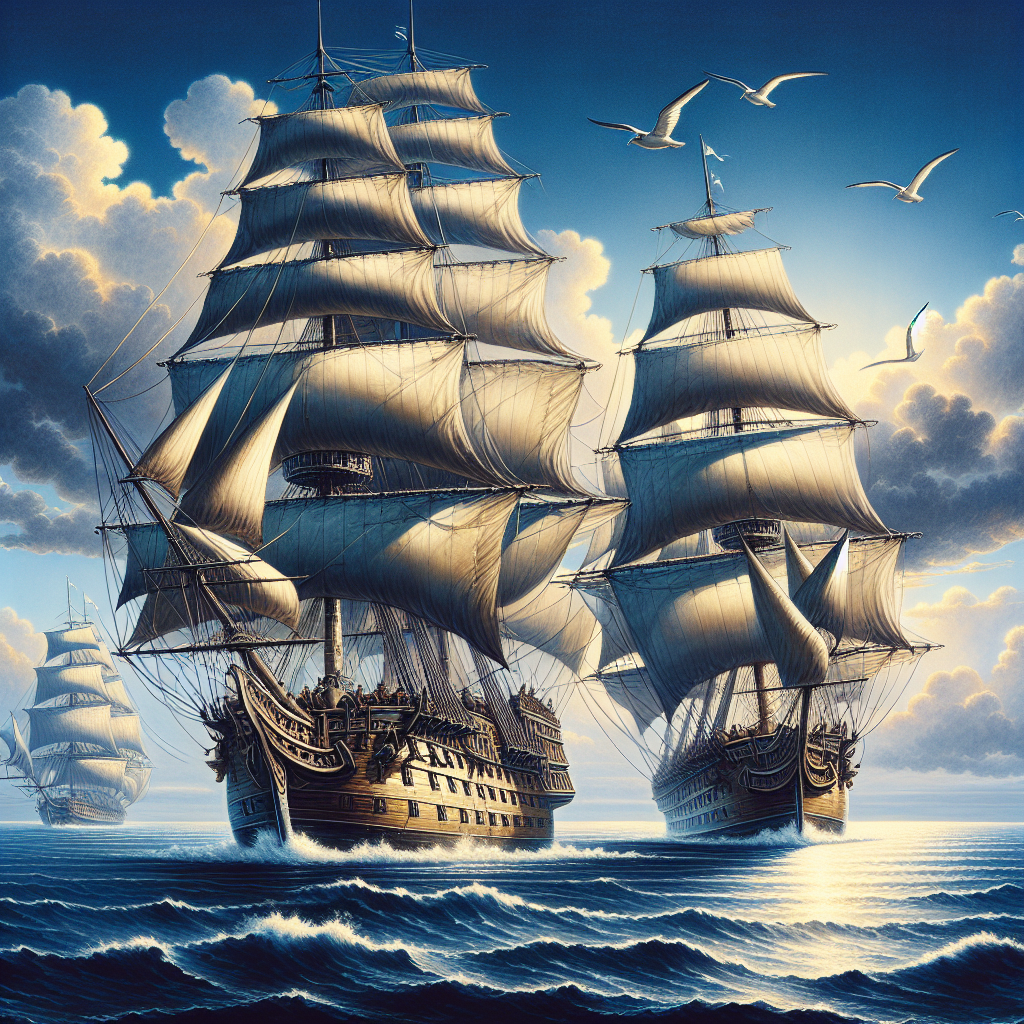
Germany has decided to halt its F126 frigate program, citing expected cost overruns and delays. The move sent a shockwave through its defence sector, with Rheinmetall's shares taking a significant hit. Berlin will now shift its focus to acquiring eight Meko A-200 frigates from Thyssenkrupp, an action that aligns with earlier strategic plans.
This comes after the initial contractor, Damen Schelde Naval Shipbuilding, failed to meet budget and schedule expectations, prompting the German Defence Ministry to reevaluate its position. The decision will replace the six F126 frigates, previously pegged at over €18 billion, with a more economical solution priced at approximately €11.6 billion.
This pivot significantly affects Europe's armament landscape. Rheinmetall, following its naval defence expansion with NVL, has seen a plummet in its market valuation, while TKMS's stocks surged by over 14% with new orders on the horizon. As the defence sector adapts, potential collaborations between losing industrial partners remain open-ended.
ALSO READ
-
Indian Unions Push for Fair Recruitment and Rights for Care Workers in Germany
-
Reclaiming National Pride: Klopp’s Call for 'Positive Patriotism'
-
Reclaiming National Pride: Klopp's Message Against Extremism
-
EU Faces Call to Widen Tariffs on Chinese Hybrid Cars
-
Energy Crisis: Europe's Gas Storage Dilemma Intensifies


 Google News