

Unveiling the Canine Cache: Dogs' Natural Hoarding Habits Explained
Dogs' caching behavior, inherited from their evolutionary past, involves hiding food, treats, and toys. This instinctual habit reflects ancestral survival strategies rather than fear of future hunger. Understanding these behaviors can help owners provide suitable outlets for natural dog activities.
- Country:
- Australia
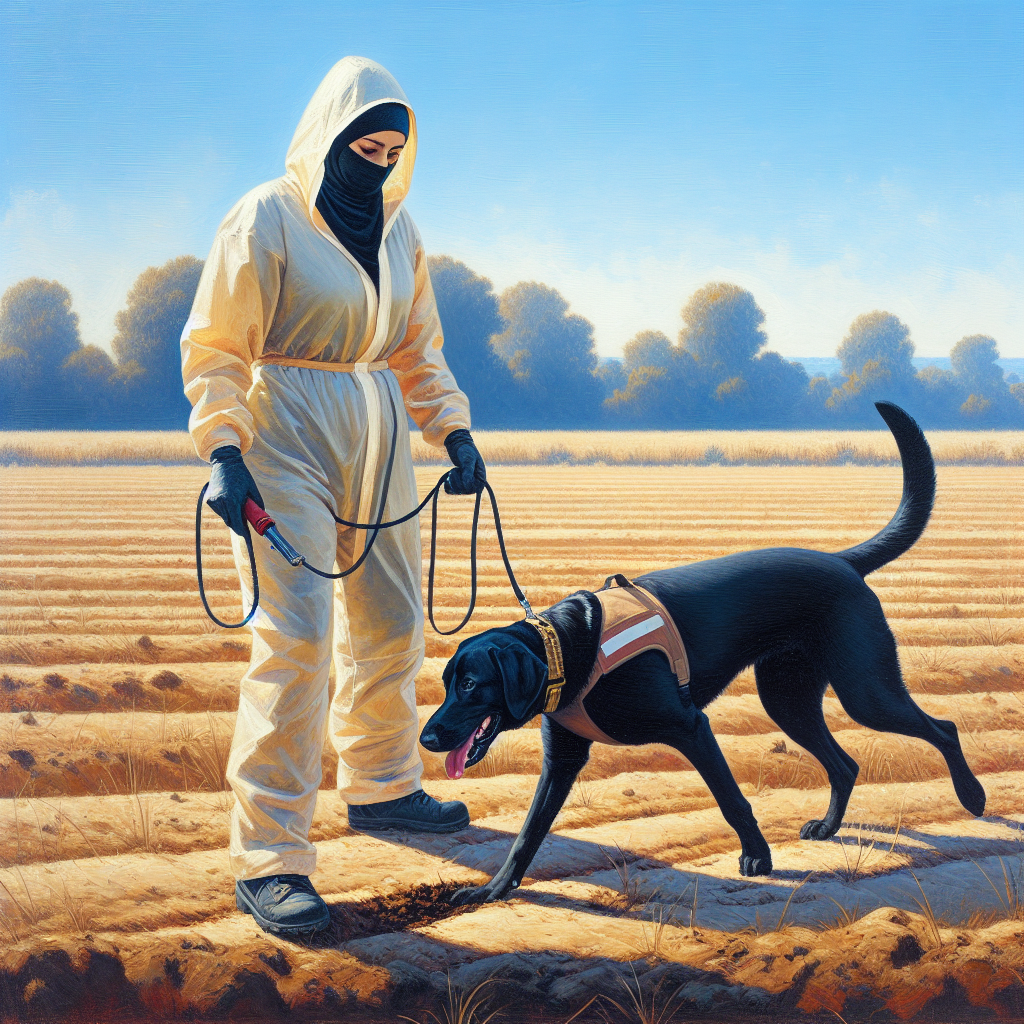
In Melbourne, experts shed light on dogs' peculiar habit of hiding their treats and toys, an action deeply rooted in their evolutionary history rather than modern anxieties. Dogs aren't doomsday preppers; they are simply expressing innate survival instincts from their ancestors' competitive feeding practices.
Caching, the scientific term for storing food for later use, is prevalent across the animal kingdom. Dogs' particular version of this behavior can be traced back to wild canids like foxes and wolves. It's a survival mechanism, not a sign of anticipated hunger, reflecting centuries of adaptation to unpredictable food access.
While some may perceive this behavior as problematic, understanding its origin is crucial. Owners can support their pets by offering engaging activities, such as snuffle mats and puzzle toys, to channel these instincts positively. In cases of resource guarding, ensuring ample resources and safe, separate eating spaces can mitigate conflicts.


 Google News