

The Evolution of Christmas: From Faith to Festivity
Christmas, originally a Christian holiday marking Jesus's birth, has evolved into a global cultural celebration. Early Christians did not commemorate it annually, focusing instead on Easter. The fourth century solidified its observance on December 25, aligning with pagan festivals. Now, it's embraced by secular societies, featuring diverse traditions worldwide.
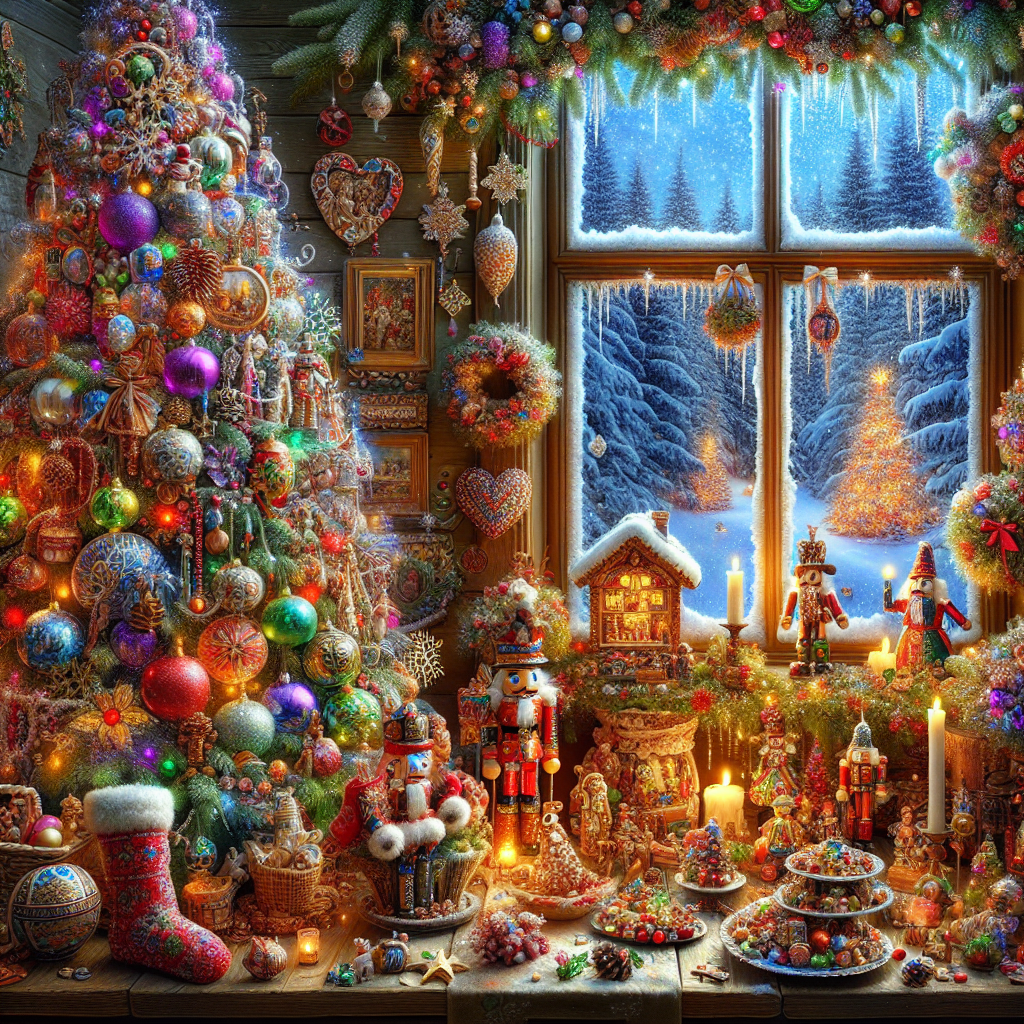
Christmas, once a solemn Christian observance of Jesus Christ's birth, has transitioned into a festive global phenomenon celebrated by both religious and secular communities. Initially overlooked by early Christians who prioritized Easter, the holiday's widespread celebration only commenced in the fourth century under Emperor Constantine.
The choice of December 25th, closely aligning with pagan winter solstice festivals, marked a turning point as Christianity established itself in Roman culture. Alongside its spiritual roots, Christmas evolved into a cultural mainstay, gaining popularity through literature and shifting traditions over the centuries.
Christmas's journey from a religious observance to a cultural event is marked by diverse global adaptations, including Japan's KFC tradition, America's Santa Claus inspired by St. Nicholas, and Europe's festive customs. Regardless of its varied expressions, Christmas continues to unite people through gift-giving, family gatherings, and festive cheer.


 Google News