

EU executive working on possible Russian oil embargo, ministers say
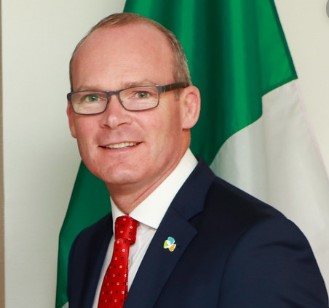
"They are now working on ensuring that oil is part of the next sanctions package," Irish Foreign Minister Simon Coveney said of the European Commission as he arrived for a meeting with his EU counterparts in Luxembourg. His Dutch and Lithuanian counterparts also said the European Commission was looking at ways at targeting Russian oil, which makes up about a quarter of the EU's crude imports, as a means to pressure Russia to halt the shelling of Ukrainian cities.
- Country:
- Luxembourg
The European Union's executive is drafting proposals for a possible EU oil embargo on Russia, the foreign ministers of Ireland, Lithuania and the Netherlands said on Monday, although there is still no agreement to ban Russian crude. "They are now working on ensuring that oil is part of the next sanctions package," Irish Foreign Minister Simon Coveney said of the European Commission as he arrived for a meeting with his EU counterparts in Luxembourg.
His Dutch and Lithuanian counterparts also said the European Commission was looking at ways at targeting Russian oil, which makes up about a quarter of the EU's crude imports, as a means to pressure Russia to halt the shelling of Ukrainian cities. "We are looking at all other (sanctions), including energy," Dutch Foreign Minister Wopke Hoekstra said.
The European Commission was not immediately available for comment. Galvanized by what Ukraine says are senseless killings of civilians by Russian troops since Moscow's Feb. 24 invasion, the bloc last week approved the fifth round of sanctions on Russia that included an end to Russian coal imports.
Russia has denied targeting civilians in what it calls a "special operation" to demilitarise and "denazify" its southern neighbor. Any oil embargo rests on both the technical details of the scope and phase-in time of such a move and the support of the EU's 27 member states. Energy dependence varies widely across the bloc, with countries such as Bulgaria almost totally dependent on Russian oil. Hungary has said it cannot support an oil embargo.
Germany's position, as the EU's biggest economy, will be crucial. Foreign Minister Annalena Baerbock, arriving in Luxembourg, called for a "coordinated plan to completely phase out fossil fuels" from Russia, but EU diplomats have said Berlin is not actively supporting an immediate embargo. The United States and Britain have banned Russian oil, hoping to cut off a significant source of revenue for Moscow. The decision is harder for Europe's economy due to its dependency and could push up already high energy prices.
ALSO READ
-
WTO Sets Up Panel on EU Carbon Border Rules as Russia Challenges Restrictions
-
Russia’s Reach Beyond Borders Leaves Exiled Critics Living in Fear, UN Expert Warns
-
Ukraine Faces Another Bitter Winter as UN Inquiry Warns of Deepening Civilian Harm
-
Ukraine War: UN Documents 1,004 Sexual Violence Cases and Calls for Justice
-
Sports Highlights: Messi's Milestone, Wolfe's Passing, and Ovechkin's Political Stance


 Google News