

India Acts Against Caste-Based Discrimination in Prisons
The Ministry of Home Affairs has updated prison regulations to counter caste-based discrimination and redefine 'Habitual Offender' definitions. These changes follow a Supreme Court directive to ensure fairness and dignity in India's correctional institutions, urging compliance from all states and Union Territories.
- Country:
- India
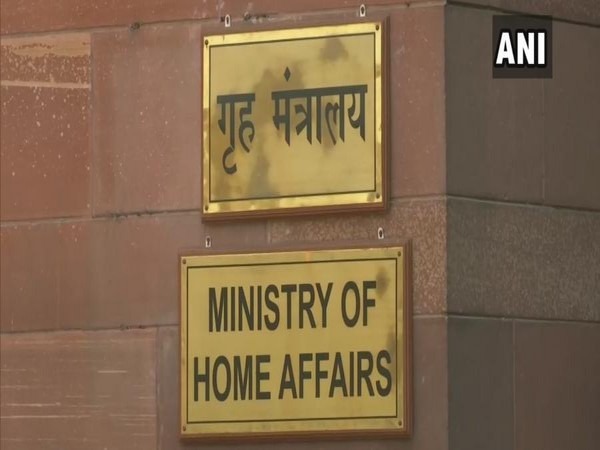
In a landmark move, the Ministry of Home Affairs (MHA) has introduced significant amendments to the Model Prison Manual, 2016, and the Model Prisons and Correctional Services Act, 2023. These efforts aim to combat caste-based discrimination in prisons across India and align the definition of 'Habitual Offender' with constitutional standards.
This initiative stems from a pivotal Supreme Court judgment on October 3, 2024, in the case of Sukanya Shantha vs Union of India. The court pointed to systemic caste-based discrimination in prison systems, prompting a need for immediate action by federal and state governments. In response, the MHA has urged all states and UTs to adhere strictly to the Supreme Court's mandates by the end of last year.
The amendments ensure no prisoner faces discrimination based on caste in duties or separation in facilities. Moreover, the term 'Habitual Offender' is redefined to meet legal and constitutional norms, providing a unified approach across all jurisdictions, and compelling states to update rules accordingly.


 Google News