

China's Response to U.S. Tariffs Shifts Global Agricultural Trade Dynamics
In response to the U.S. tariffs, China is shifting its agricultural purchases to alternative suppliers like Brazil. This pivot, exacerbated by additional duties on U.S. agricultural products, is impacting commodities such as soybeans. The trade war has accelerated China's move towards other countries, especially in terms of soybeans.
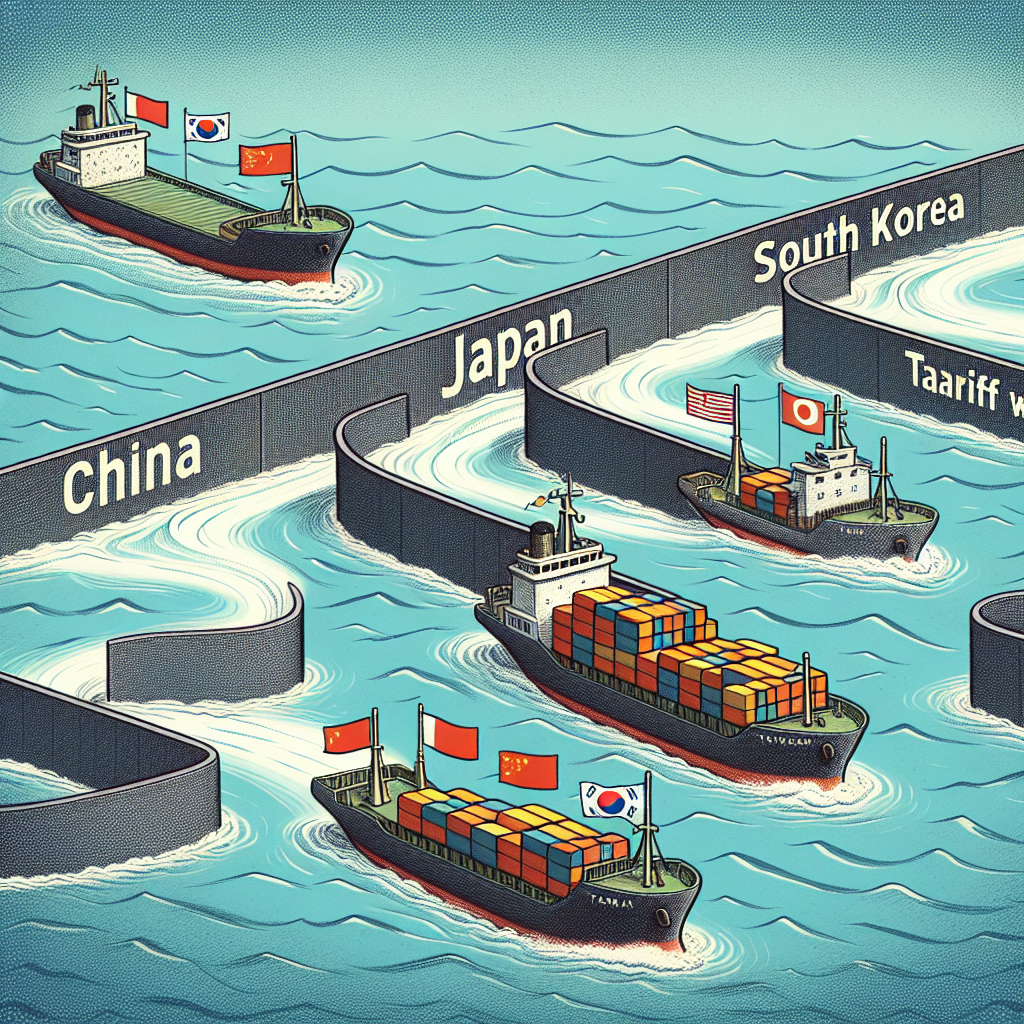
China's decisive counteraction against recent U.S. tariffs foresees an impending realignment in global agricultural markets, with Beijing actively seeking alternative suppliers, particularly from Brazil. This strategic move is a continuation of adaptations initiated during the trade conflict in President Trump's first term. The Chinese government announced numerous countermeasures, including a steep 34% additional tariff on all U.S. imports, escalating from the already existing 10-15% tariffs on approximately $21 billion of agricultural trade earlier in March.
According to a trader based in Singapore, these tariffs effectively block U.S. agricultural imports, notably impacting products like soybeans and sorghum. Wheat and corn are less affected, as China's purchases from the U.S. in these commodities were already limited this year. The Chicago Board of Trade saw a 4% drop in its most-active soybean contract, marking a significant decline.
In Europe, a grains trader noted that the EU may also impose retaliatory tariffs on U.S. soybeans. The absence of a resolution before the new U.S. soybean crop is a major concern. The trade war, described as bearish for U.S. agriculture and bullish for other sources, has directed demand towards Brazil, potentially breaking records for China's imports in the second quarter. Brazil emerges as the primary beneficiary, alongside Argentina and Paraguay. Meanwhile, U.S. agricultural exports to China have continued to decline, marking a consecutive fall for the second year.
ALSO READ
-
WTO Sets Up Panel on EU Carbon Border Rules as Russia Challenges Restrictions
-
WHO Brings Global Experts Together to Strengthen Herbal Medicine Quality and Safety
-
Human Cost of Faster Work: Chinese Employees Weigh AI’s Promise Against Pay Fears
-
EU Firms Rethink Supply Chains as Geopolitical Risks Reshape Global Trade
-
China's August Disasters Yield $5.38 Billion in Losses


 Google News