

Bangladesh's Brick Kiln Dilemma: Balancing Environment with Demand
Bangladesh is closing polluting clay brick kilns to meet environmental goals but faces challenges in transitioning to cleaner alternatives like concrete blocks or advanced kilns. While the government push is strong, cost barriers and demand pressures hinder progress. Industry insiders highlight the challenges and potential solutions for sustainable development.
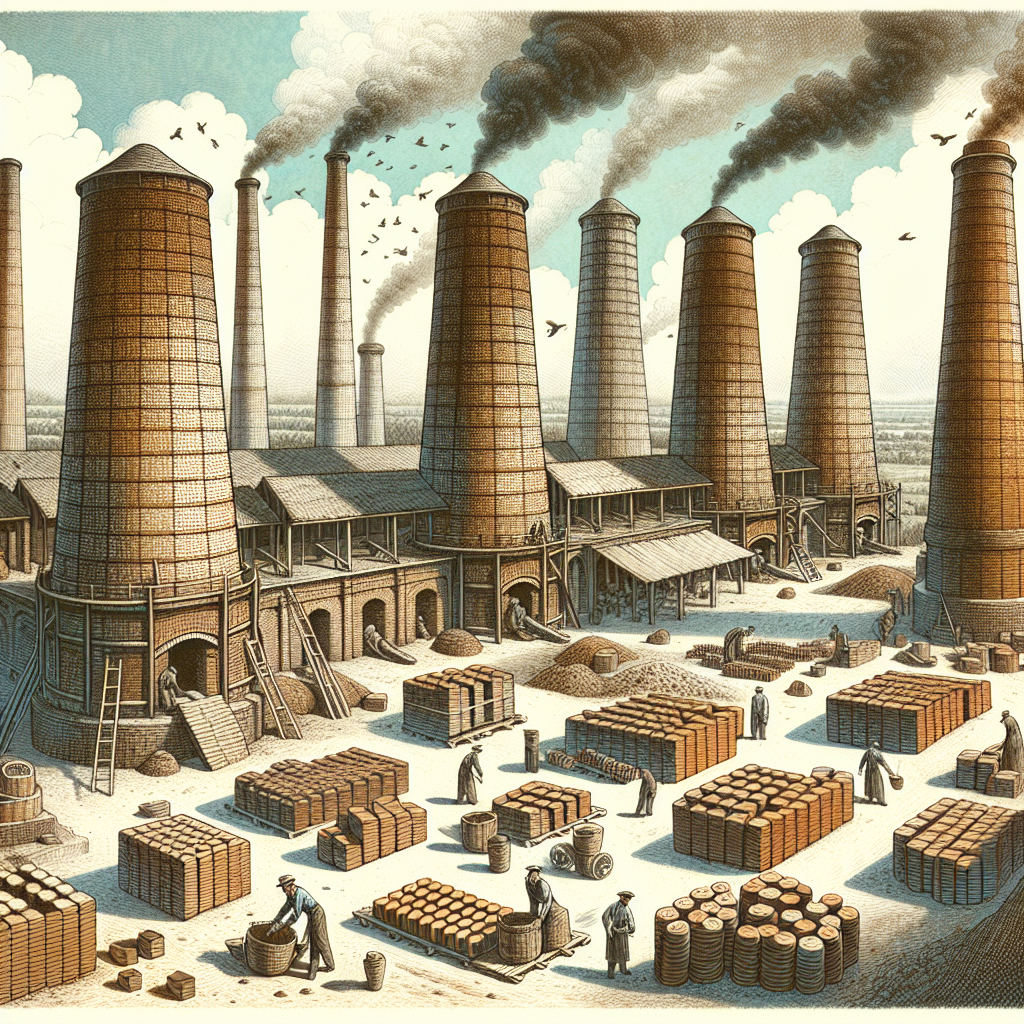
Bangladesh is taking significant strides to shut down polluting clay brick kilns in a bid to clean the air and achieve environmental targets, yet the shift towards eco-friendly alternatives remains sluggish. Industry sources indicate that concrete blocks or advanced kiln technologies are struggling to meet the burgeoning demand.
Government efforts have led to the closure of over 600 kilns, with plans to phase out many more, especially those operating without proper documentation. Environmental adviser Syeda Rizwana Hasan stresses the importance of adopting alternative materials and technologies already in use in countries like China and Vietnam.
Despite governmental incentives, the transition is hampered by high costs and limited availability of eco-friendly building materials. Local brick makers adapt better to immediate market needs, but stakeholders emphasize the need for intermediate solutions to address environmental concerns while meeting construction demand.
ALSO READ
-
Bangladesh Secures $100m ADB Loan to Help 40,000 Families Build Safer Homes
-
ADB Backs Bangladesh’s Power Upgrade With $200M for Growing Dhaka Communities
-
Bangladesh’s Job Market at a Crossroads as Rapid Growth Fails to Deliver Enough Employment
-
Supreme Court Seeks Centre's Response on West Bengal Woman's Alleged Deportation
-
Energy Crisis Puts South Asia in the Dark


 Google News