

Delhi's Post-Diwali Smog Crisis: A Call for Collective Responsibility
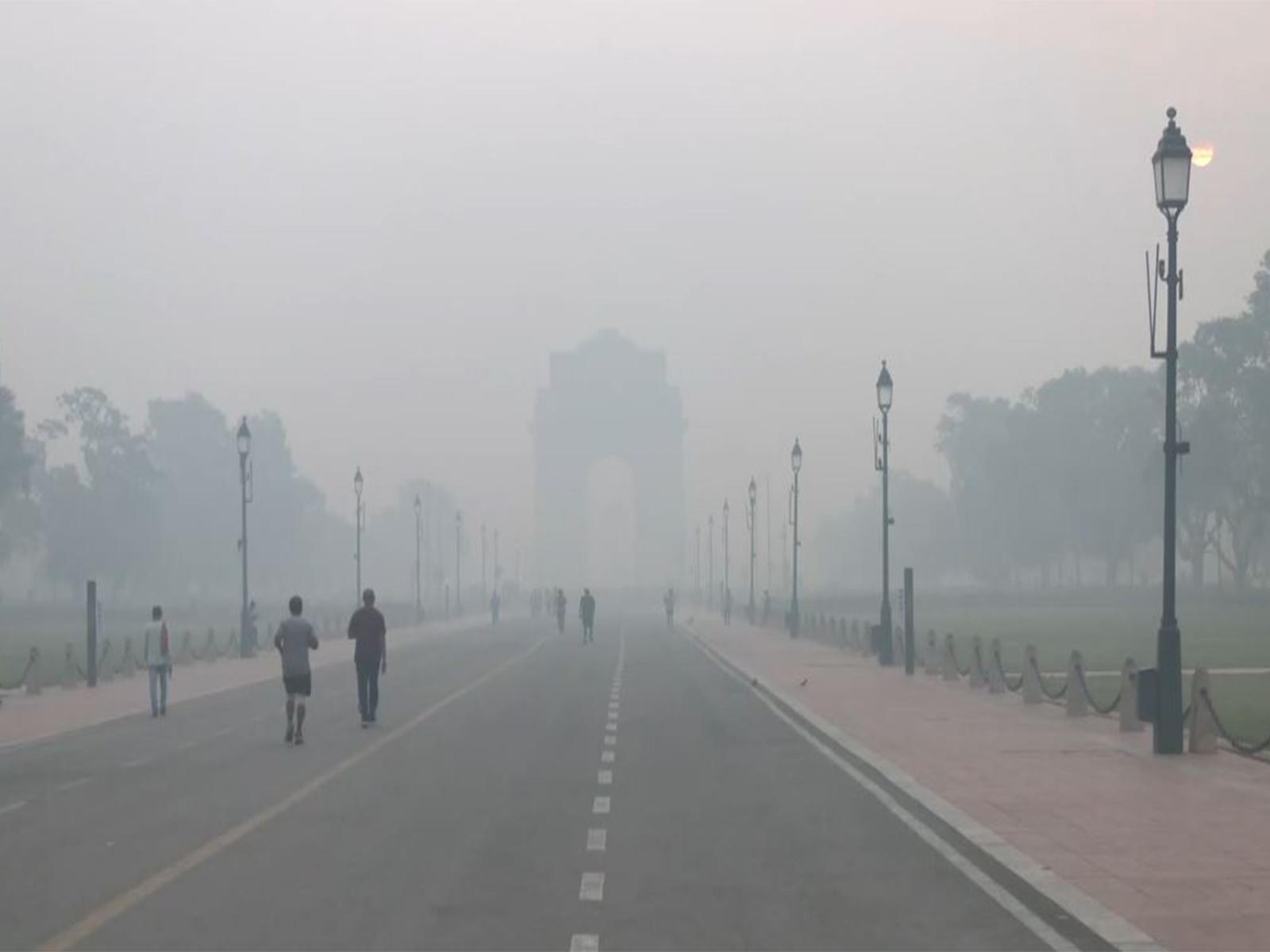
Residents of Delhi are experiencing breathing problems and eye irritation due to increased pollution levels post-Diwali. Locals urge collective responsibility for air quality improvement, despite a Supreme Court order allowing green crackers. Delhi's AQI stood at 'very poor' with some areas in the 'severe' category.
- Country:
- India
Delhi residents are grappling with significant respiratory and eye irritations as pollution levels soared in the aftermath of Diwali celebrations. Many citizens, frustrated by the deteriorating air quality, attribute the spike in pollution to the community’s persistent use of firecrackers, despite advisories and regulations.
In an interview with ANI, Sagar, a local resident, pointed out the community's role in the pollution crisis, emphasizing that individual choices heavily impact the environment. "People blame politicians, but it is our responsibility to follow the rules," he remarked, referencing the unheeded guidelines for the use of green crackers.
The Central Pollution Control Board reported an alarming Air Quality Index (AQI) of 359 for Delhi, categorizing it as 'very poor.' Areas like Bawana and Wazirpur are severely affected, with AQI readings pushing beyond 400. Despite regulations, the aftermath of Diwali has once again highlighted the urgent need for collective societal effort in addressing the capital's critical smog problem.


 Google News