

West Virginia Schools Lead Charge Against Artificial Dyes
West Virginia is the first state to implement a law banning artificial dyes from school meals, starting August 1. This initiative aims to improve children's health by replacing synthetic colors with natural alternatives. Challenges include adjusting meal options while ensuring that students continue participating in school lunch programs.
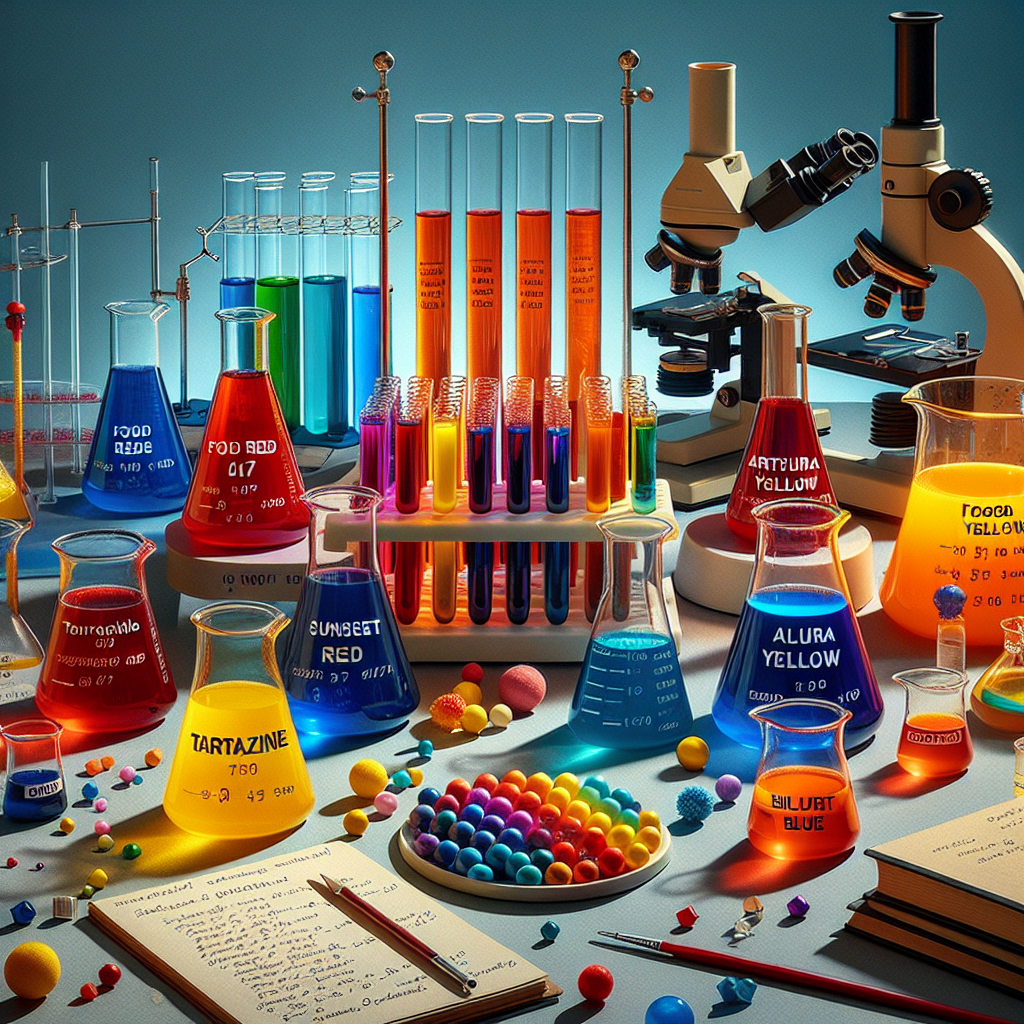
In a groundbreaking move, West Virginia is the first state to ban artificial dyes from school meals, effective August 1. This initiative impacts 240,000 students and seeks to replace synthetic colors with natural alternatives such as vegetables, spices, and seeds, marking a significant shift in school nutrition practices.
The new law, signed by Governor Patrick Morrisey, targets seven petroleum-based dyes and seeks to phase out their use in school foods to promote better health. While some parents have welcomed the changes, others in rural areas remain indifferent. The state faces challenges in providing appealing meal options to ensure continued student participation in lunch programs.
Companies like General Mills are adjusting to the new requirements, and school districts are scrambling to comply with the law. Critics argue the focus on dyes doesn't address deeper dietary issues like sugar and fat, but supporters see it as a step toward healthier food production practices.


 Google News