

Unveiling Epidemic: Combatting CLABSI in India's ICUs
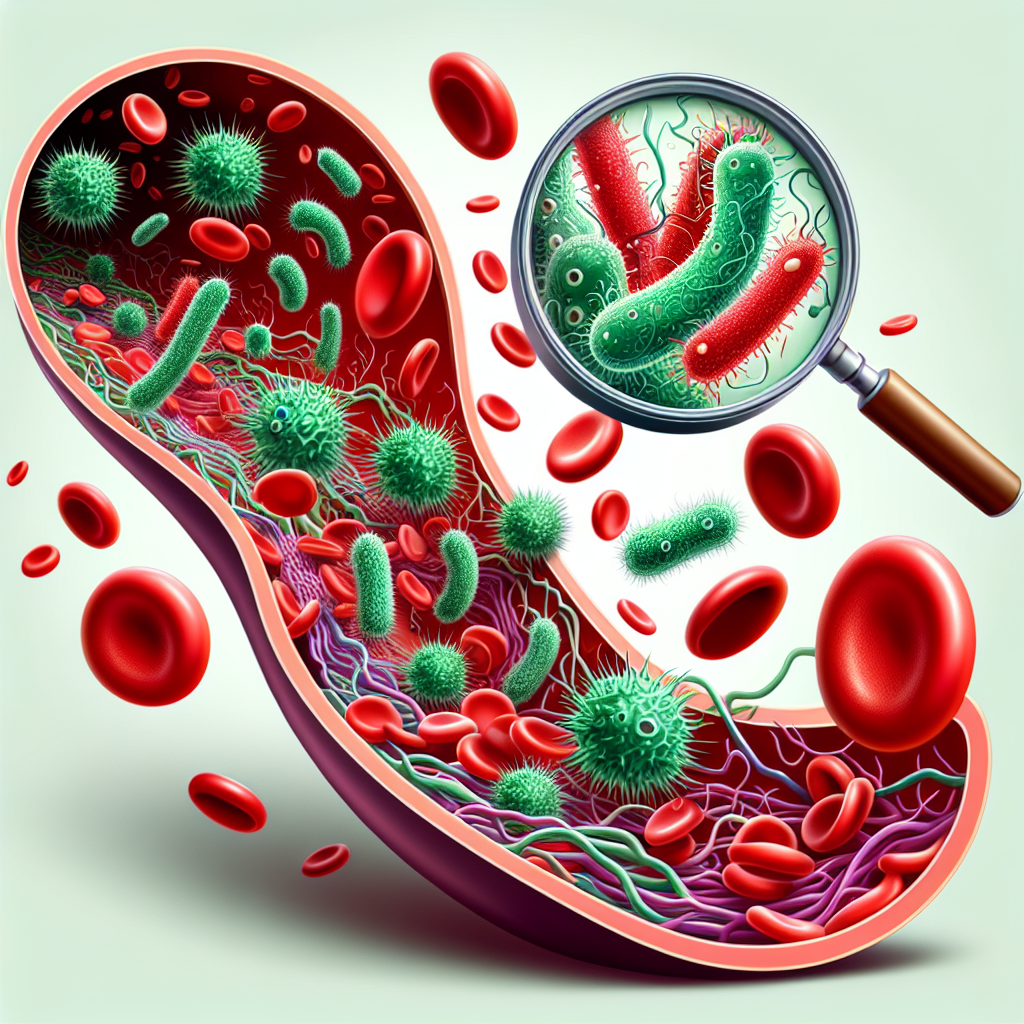
A new study led by AIIMS reveals the high prevalence of bloodstream infections, particularly 'central line-associated bloodstream infections' (CLABSI), across Indian ICUs. These infections, exacerbated by antibiotic resistance, present significant challenges to the public healthcare system, requiring improved surveillance and prevention strategies for better patient outcomes.
- Country:
- India
A recent study spearheaded by the All India Institute of Medical Sciences sheds light on the widespread occurrence of bloodstream infections in Indian intensive care units, particularly those linked to catheter use. These infections are frequently found to be resistant to antibiotics, complicating treatment within an already strained healthcare system.
The study, published in The Lancet Global Health journal, underscores the urgent need for targeted preventive measures. With about nine such infections occurring per 1,000 catheter days in ICUs, the condition significantly contributes to patient morbidity and mortality in low- and middle-income countries, including India.
Researchers emphasize the importance of establishing robust infection surveillance systems. The highest occurrence was noted during 2020-21, likely due to the pressures of the pandemic, further stressing the need for quality improvement and resource allocation to combat these preventable infections effectively.


 Google News