

WHO Warns Air Pollution Gap Remains Wide Across the World
WHO said reliable scientific data remains essential for governments to address air pollution, climate change and their growing impact on public health.
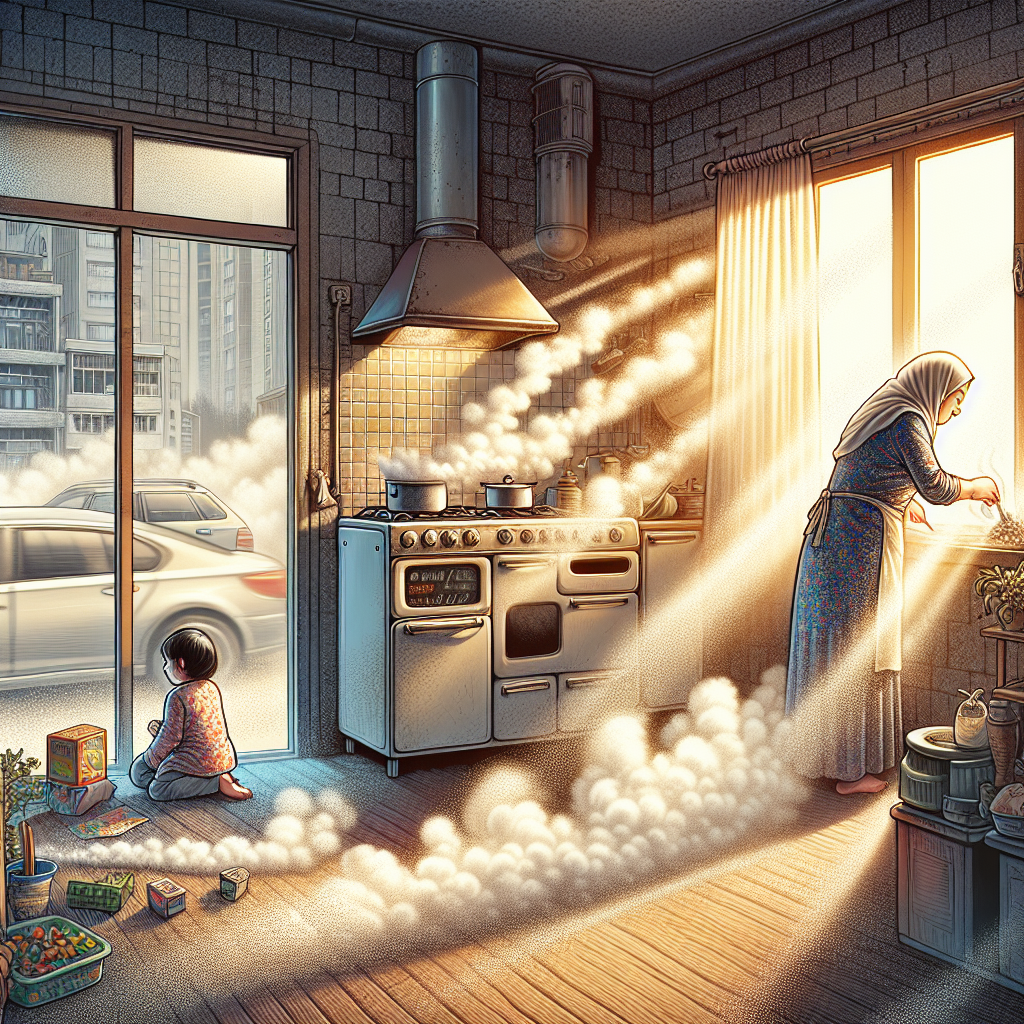
The World Health Organization (WHO) has released updated Sustainable Development Goal (SDG) data showing that air pollution continues to pose a major global health threat, with people in low- and middle-income countries carrying the overwhelming share of the burden despite progress in some regions. The latest findings reveal that global levels of fine particulate matter (PM2.5) declined until 2020 but have since remained largely unchanged. In 2023, around 6.5 billion people were exposed to air pollution exceeding the least stringent interim target set in WHO's air quality guidelines, with exposure rates in low- and middle-income countries thirteen times higher than those in high-income nations. WHO said reliable scientific data remains essential for governments to address air pollution, climate change and their growing impact on public health.
Poorer countries continue to face the greatest health risks
The report also highlights that around 2 billion people still rely on inefficient stoves and polluting fuels for cooking, exposing families to dangerous levels of household air pollution. Rural communities remain the most affected, accounting for about 1.5 billion of those without access to clean cooking technologies.
According to WHO, low- and middle-income countries experience 90% of the health impacts linked to unsafe air pollution, with 83% of those deaths and illnesses caused by noncommunicable diseases such as heart disease, stroke, chronic respiratory disease and lung cancer. Sub-Saharan Africa faces one of the greatest challenges, where nearly 970 million people still lack access to clean household energy, a figure expected to reach one billion by 2027 if current trends continue.
Progress varies across regions as WHO calls for stronger action
Regional trends show that Asia continues to record the highest levels of air pollution but has also made the greatest improvements over the past decade. Air quality has changed little across Africa, western Asia and northern Africa, while many cities worldwide have reduced pollution regardless of income level. Rural areas in lower-income countries, by contrast, have seen slower progress and, in some cases, worsening pollution levels.
WHO said the updated SDG indicators provide governments with reliable evidence to strengthen policies across health, energy, transport and other sectors. The organisation is also supporting countries with tools to measure the health and economic benefits of cleaner air and cleaner household energy. These efforts contribute to WHO's target of reducing air pollution-related deaths by 50% by 2040 while helping achieve universal access to clean cooking by 2030.
ALSO READ
-
Kazakhstan Connects Over 200 Health Workers With Global Clinical Research Experts
-
Higher Tobacco Taxes Cut Smoking and Show How Health Levies Can Change Daily Lives
-
Better Heat Planning Can Protect Crowds and Ease Pressure on Hospitals, WHO Says
-
WHO and KEI Explore Community Rights in Traditional Medicine Research and Innovation
-
Cholera Deaths Rise 30% as WHO Reports Highest Annual Toll in More Than Two Decades


 Google News