

WHO Calls for Greater Action to Eliminate Hepatitis
This year's campaign carries the theme "Hepatitis: Let's break it down," highlighting the need to remove obstacles that prevent people from accessing life-saving health services.
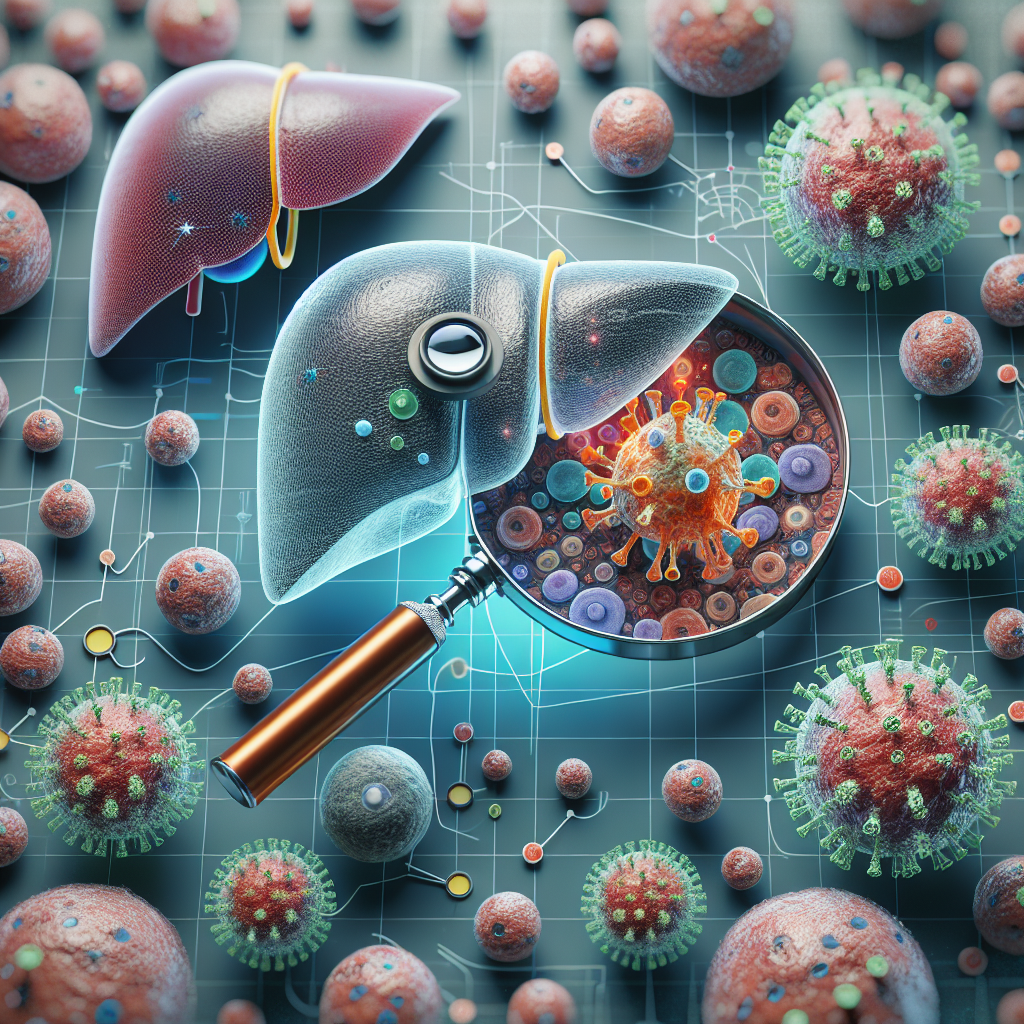
The World Health Organization (WHO) is urging people around the world to get tested and treated for hepatitis as countries mark World Hepatitis Day. The organisation says millions of lives could be saved by expanding access to testing, vaccination and treatment, while tackling the stigma and health system barriers that continue to keep many people from receiving care.
This year's campaign carries the theme "Hepatitis: Let's break it down," highlighting the need to remove obstacles that prevent people from accessing life-saving health services.
Millions Still Miss Out on Diagnosis and Treatment
WHO says viral hepatitis remains one of the world's leading causes of preventable illness and death, even though effective medical tools are already available. Vaccines can prevent hepatitis B, accurate tests can detect both hepatitis B and C, hepatitis C can be cured with modern medicines, and lifelong treatment for hepatitis B helps people manage the disease and reduce the risk of severe complications.
Despite these advances, millions of people remain undiagnosed or untreated because of limited awareness, social stigma, unequal access to healthcare and weaknesses in health systems. The organisation is calling for stronger political commitment and sustained investment to make prevention, testing and treatment available to everyone who needs them.
Simple Steps Can Save Lives
To reduce infections and improve early diagnosis, WHO is encouraging people to take practical steps to protect themselves and their families. The organisation recommends testing for hepatitis B and C, promoting routine hepatitis B screening during antenatal care, and providing antiviral treatment where necessary to help eliminate HIV, hepatitis and syphilis transmission from mother to child.
WHO also urges parents to ensure newborn babies receive the hepatitis B vaccine within 24 hours of birth, followed by completion of the routine childhood vaccination schedule. It is also encouraging people to speak with healthcare providers about testing and treatment while helping to reduce stigma by sharing accurate information about the disease.
Understanding the Different Types of Hepatitis
Hepatitis is an inflammation of the liver caused by infectious viruses or other non-infectious factors. The disease can lead to serious liver damage, cirrhosis, liver cancer and death if left untreated.
There are five main types of viral hepatitis – A, B, C, D and E. While each affects the liver, they differ in how they spread, their severity and the methods used to prevent them. Hepatitis B and C are the most serious because they often become chronic infections and account for most hepatitis-related liver disease and deaths worldwide. WHO estimates that 304 million people are currently living with hepatitis B or C, while the diseases claim around 1.3 million lives every year.
Eliminating Hepatitis by 2030
Through its Global Health Sector Strategy on HIV, Viral Hepatitis and Sexually Transmitted Infections (2022–2030), WHO aims to reduce new hepatitis infections to just over 500,000 annually and cut hepatitis-related deaths to 450,000 by 2030.
The organisation warns that without urgent action, viral hepatitis could cause 9.5 million new infections, 2.1 million cases of liver cancer and 2.8 million deaths by 2030. WHO says these outcomes can largely be prevented by expanding vaccination programmes, improving access to testing and treatment, and increasing public awareness about hepatitis prevention and care.
ALSO READ
-
Kazakhstan Connects Over 200 Health Workers With Global Clinical Research Experts
-
Higher Tobacco Taxes Cut Smoking and Show How Health Levies Can Change Daily Lives
-
Better Heat Planning Can Protect Crowds and Ease Pressure on Hospitals, WHO Says
-
WHO and KEI Explore Community Rights in Traditional Medicine Research and Innovation
-
Cholera Deaths Rise 30% as WHO Reports Highest Annual Toll in More Than Two Decades


 Google News