

E Cape Sanitation Milestone: 403 VIP Toilets Delivered to Emalahleni Villages
The commitment was reinforced during the official handover of 403 newly built Ventilated Improved Pit (VIP) toilets to households in three rural villages within the Emalahleni Local Municipality, Chris Hani District, Eastern Cape.
- Country:
- South Africa
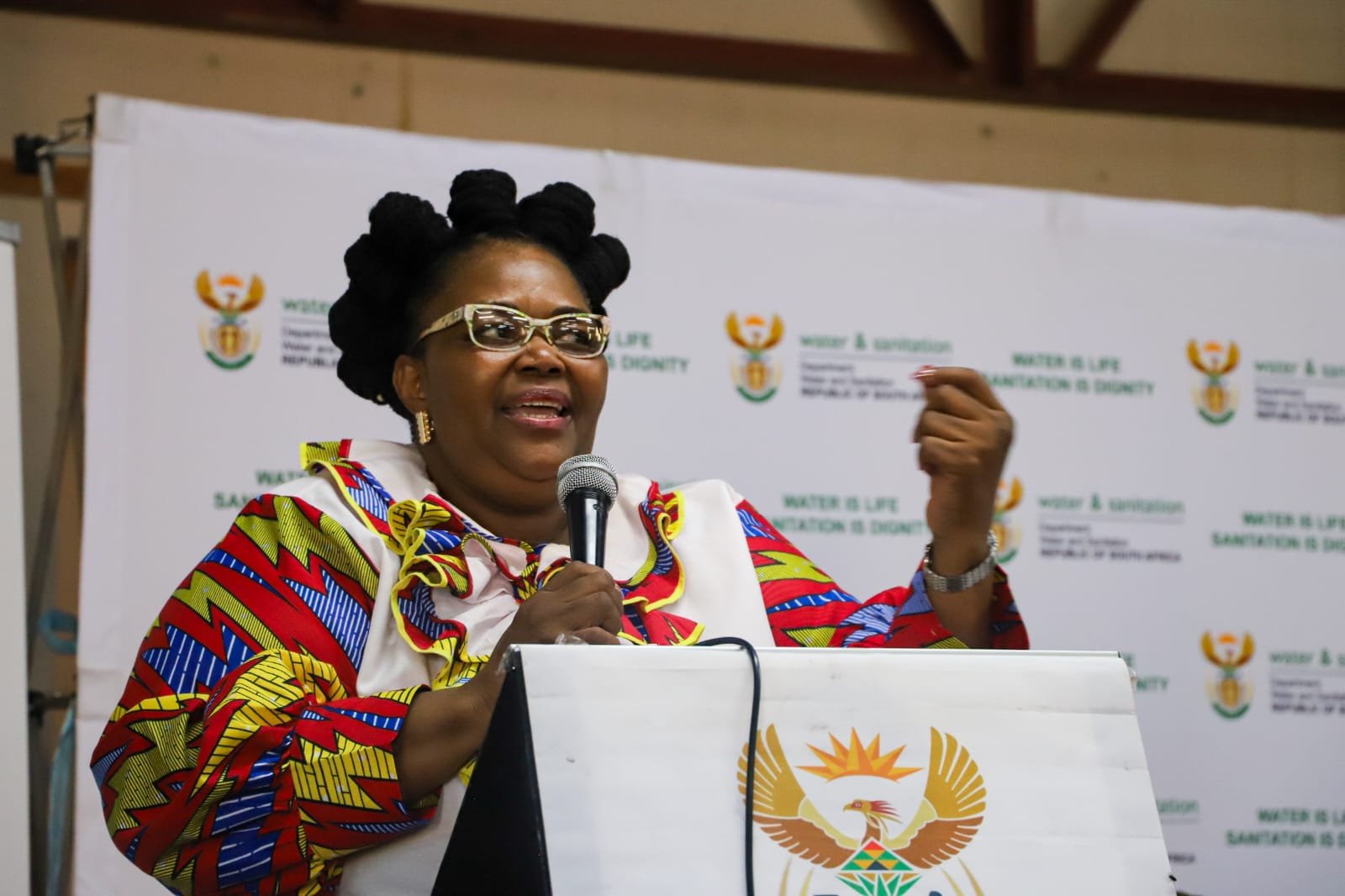
In a bold step toward upholding the constitutional right to basic sanitation, South Africa's Minister of Water and Sanitation, Pemmy Majodina, reaffirmed the government's unwavering commitment to improving sanitation in underserved areas. The commitment was reinforced during the official handover of 403 newly built Ventilated Improved Pit (VIP) toilets to households in three rural villages within the Emalahleni Local Municipality, Chris Hani District, Eastern Cape.
The handover ceremony, held in Fani, Ntsinga, and Maqhubela villages, was presided over by Minister Majodina and Eastern Cape Premier Oscar Mabuyane. The project, valued at R11 million, was funded through the Department of Water and Sanitation's Regional Bulk Infrastructure Grant (RBIG). It forms part of a broader initiative to eliminate sanitation backlogs and uplift marginalized communities through dignified, sustainable sanitation infrastructure.
Details of the Sanitation Project
The VIP toilet construction project commenced in November 2023 and reached completion in May 2024. Implemented by the Chris Hani District Municipality in its role as the Water Services Authority, the project delivered fully functional sanitation units equipped with modern features tailored for rural use. Each unit includes a floor slab, galvanized steel door, vent pipe, pedestal, and a hand-wash facility to promote hygiene.
Minister Majodina emphasized the importance of such interventions, particularly in rural and previously neglected communities, stating that the new facilities represent more than infrastructure—they signify dignity, health, and hope.
"Restoring dignity is at the core of our mandate," Majodina said. "We cannot claim transformation without ensuring that our people have access to something as basic and essential as a toilet."
Challenges and Future Outlook
While celebrating the milestone, Majodina did not shy away from acknowledging challenges faced during implementation. She criticized the lack of initial integrated planning, which forced the Department to return to complete outstanding components of the sanitation projects. The ultimate goal, she said, is to transition communities from VIP toilets to fully flushing, waterborne sanitation systems as part of an evolving long-term plan.
The Minister called for stronger intergovernmental collaboration, urging the Departments of Human Settlements and Cooperative Governance and Traditional Affairs (CoGTA) to coordinate efforts. "Water availability at the source doesn't automatically translate to water in household taps. We need the full value chain to function," she explained.
Water Security and Infrastructure Updates
Ahead of the handover event, Minister Majodina inspected critical infrastructure sites, including the Xonxa Pump Station and the Machibini and Ilinge Reticulation Projects. These efforts fall under a strategic initiative to improve water security and ensure dependable access to clean water.
The Machibini and Ilinge water reticulation upgrades were completed in January 2025. Meanwhile, the Xonxa Pump Station, a key facility for regional water supply, is currently 73% through its repair phase and is expected to be fully operational by June 2025.
During her site visits, the Minister lauded the progress but raised concerns about ongoing water shortages affecting households situated near major water sources. She directed the Chris Hani District Municipality to fast-track subsequent phases of the water reticulation program to ensure equitable service delivery.
Community Engagement and Accountability
The day concluded with a community dialogue in Indwe, where Majodina listened to residents' complaints about poor water supply and insufficient sanitation. She reassured the community that their voices are being heard and that tangible, ongoing solutions are being prioritized.
Premier Mabuyane reinforced the need for efficiency, saying, "Communities suffer when projects stall. We must deliver within budget and on schedule. The progress is visible, but we must follow through."
Both leaders underscored that the successful completion of these sanitation and water infrastructure projects would only be meaningful if service delivery becomes consistent and equitable.
The delivery of 403 VIP toilets is a significant step forward for rural sanitation in the Eastern Cape. It highlights the Department of Water and Sanitation's commitment to equitable access, health, and human dignity. However, the broader vision remains clear: to provide fully waterborne sanitation and reliable water supply to every household, irrespective of location or economic status.
ALSO READ
-
Cholera Deaths Rise 30% as WHO Reports Highest Annual Toll in More Than Two Decades
-
Brazil’s Paraíba Secures $50 Million to Build Stronger Water and Sanitation Services
-
Eritrea Secures $9.82 M Grant to Bring Water Closer and Strengthen Rural WASH
-
Ulcinj’s €5 Million Sewer Project Brings Households Closer to Better Sanitation


 Google News