

Supreme Court's Directive Calms Tensions at Contested Bhojshala-Kamal Maula Mosque
A Supreme Court directive aims to prevent tensions at the 11th-century Bhojshala-Kamal Maula Mosque in Madhya Pradesh. The court established a time-sharing arrangement on Basant Panchami to cater to both Hindu and Muslim communities, deploying security forces to ensure peaceful observances.
- Country:
- India
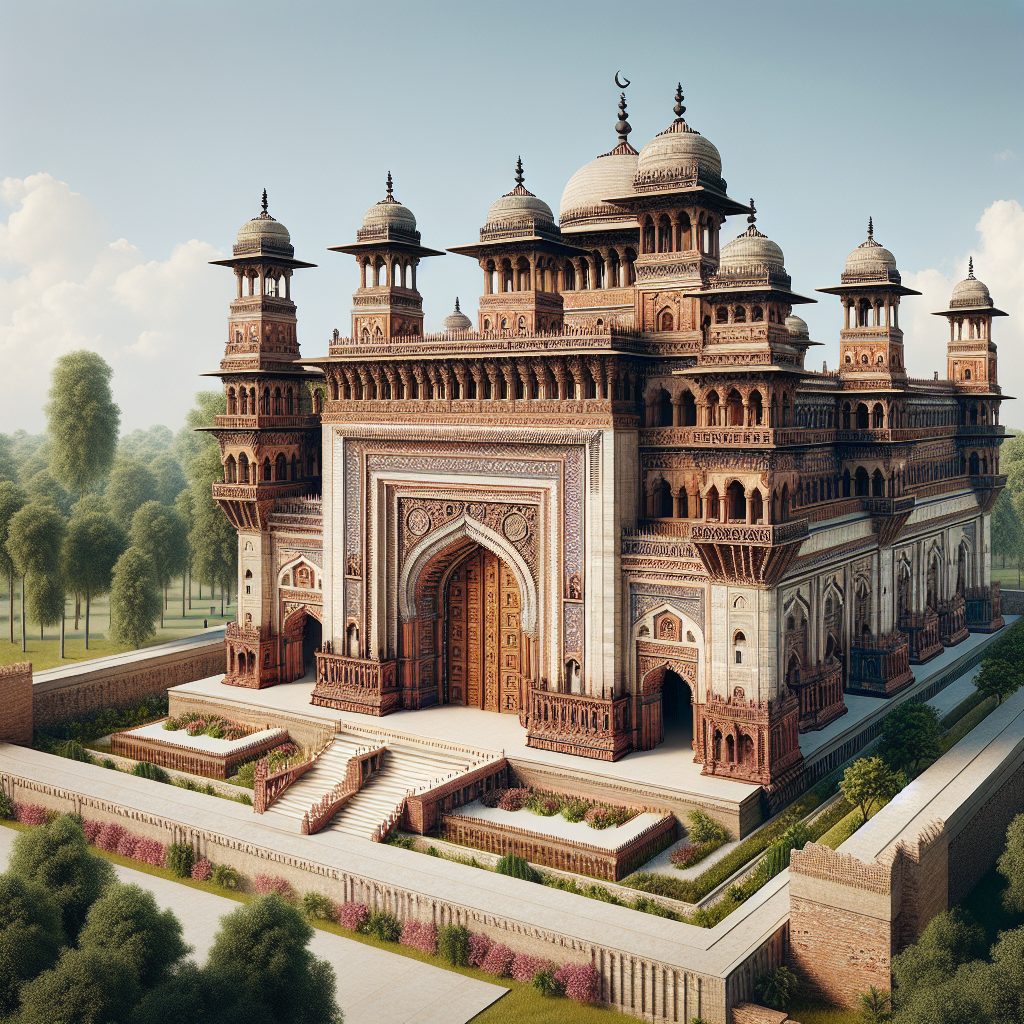
Dhar district in Madhya Pradesh witnessed heightened security as the Supreme Court intervened to calm tensions over the contested Bhojshala-Kamal Maula Mosque on Thursday. The directive addressed claims from both Hindu and Muslim communities to hold religious observances on the site during the Basant Panchami festival.
Security arrangements were formidable, with 8,000 personnel on duty, backed by drones, CCTV cameras, and social media monitoring to ensure law and order. The apex court, led by Chief Justice Surya Kant, prescribed a schedule where Hindus could worship from sunrise to sunset, while Muslims were allowed to offer prayers from 1 PM to 3 PM.
Local leaders and authorities emphasized cooperation and peaceful compliance with the court's directive. The Hindu community prepared for traditional worship practices, while Muslim representatives expressed their agreement with the arrangement, both prioritizing peace and mutual respect.
ALSO READ
-
Supreme Court Seeks Centre's Response on West Bengal Woman's Alleged Deportation
-
Supreme Court Greenlights Removal of Invasive Species in Delhi's Central Ridge
-
Supreme Court Grants Bail to Imaan Mazari: A Victory for Justice
-
Supreme Court Demands Action: Unnatural Deaths in Manipur Relief Camps
-
Supreme Court Grants Murder Convict Dara Singh Two Weeks to Appeal Odisha's Decision


 Google News