

Escalation in the Middle East: Houthi Rebellion and Global Implications
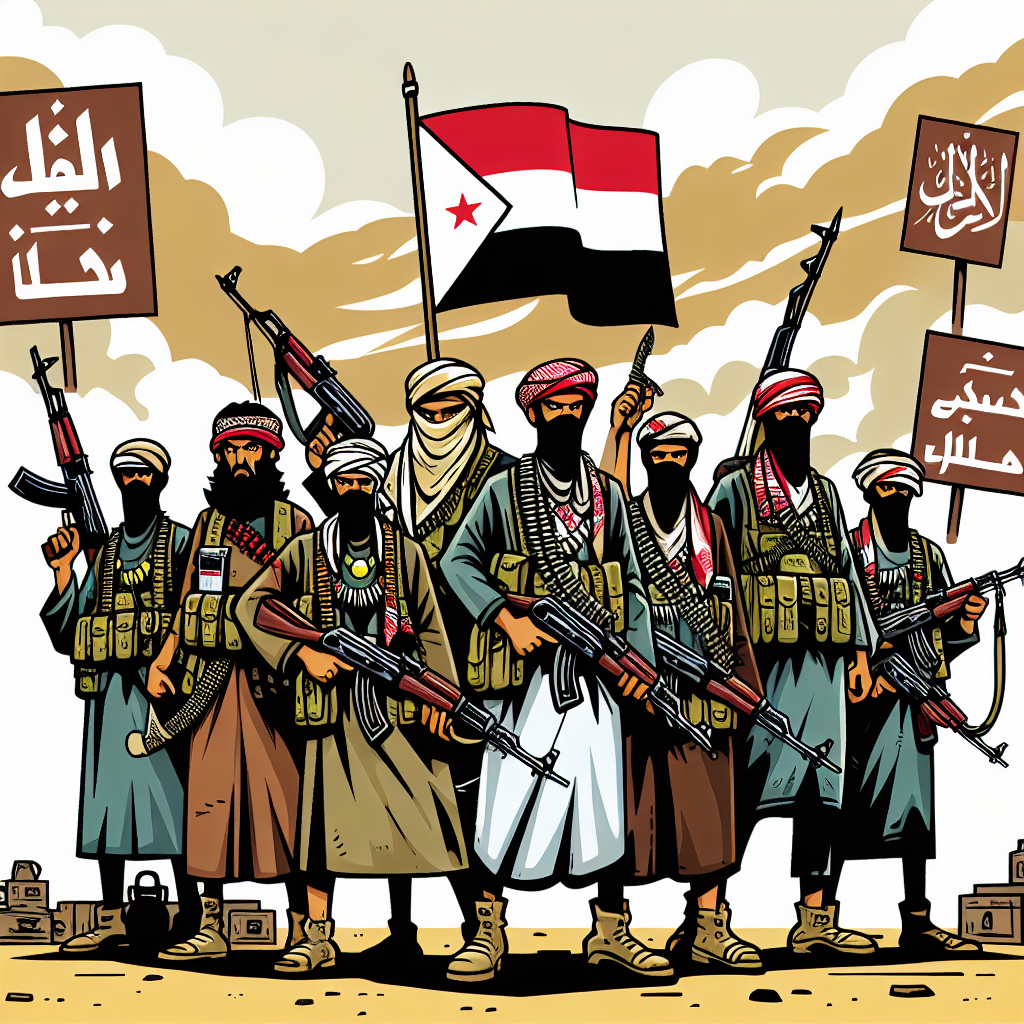
Houthi rebels have intensified the ongoing Middle East conflict by launching missiles at Israel. The war has disrupted global energy supplies and heightened tensions in the region. Meanwhile, diplomatic efforts are underway as regional powers, including Saudi Arabia and Pakistan, seek to de-escalate the crisis.
- Country:
- United Arab Emirates
The Middle East conflict has escalated as Iranian-backed Houthi rebels launched missiles at Israel, marking their entry into the monthlong war. The conflict has significantly disrupted global oil and natural gas supplies, amid increased regional tensions.
In response to the Houthi involvement, diplomatic efforts are underway. Pakistan is hosting talks with Saudi Arabia, Turkiye, and Egypt in an attempt to negotiate a resolution to the conflict. However, recent attempts at diplomacy have been met with skepticism from Tehran.
Meanwhile, the military situation remains tense, with over 2,500 US marines deployed in the region. US and Israeli forces have struck multiple Iranian targets, and Iran has retaliated by targeting Israel and Gulf Arab states. The ongoing hostilities have resulted in thousands of casualties, further complicating the situation.
ALSO READ
-
Tanzania’s Economy Gains Momentum, but Better Jobs Hold the Key to Broader National Prosperity
-
Seychelles Growth Set to Slow to 1% as Tourism Feels the Middle East Conflict’s Impact
-
ADB Approves $1.5 Billion to Protect Philippines From Conflict-Driven Price Hikes
-
Iran’s Civilians Trapped Between State Repression and Deadly Strikes, UN Warns
-
UN Experts See UK Settlement Curbs as Turning Point, Urge Action Over Occupation


 Google News