

Court Reforms Set to Bring Justice Closer to South Africans
The second phase will focus on expanding judicial infrastructure through the establishment of additional local seats and the construction or expansion of court facilities.
- Country:
- South Africa
The South African government is moving ahead with significant reforms aimed at improving access to justice, particularly for communities in rural and historically disadvantaged areas that continue to face barriers when accessing the country's court system.
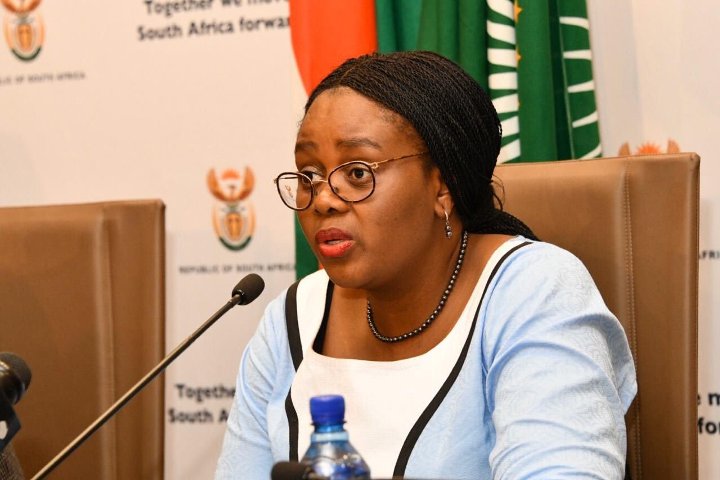
Justice and Constitutional Development Minister Mmamoloko Kubayi announced that Cabinet has approved the implementation of recommendations from the Committee on the Rationalisation of the Areas under the Jurisdiction and Judicial Establishments of the Divisions of the High Court of South Africa.
The reforms seek to address inequalities that remain embedded in the court system from the apartheid and colonial eras. According to Kubayi, many communities living in former homeland areas and remote rural regions still experience difficulties accessing courts because judicial boundaries and infrastructure have remained largely unchanged since the democratic transition.
She said an independent judiciary and a functioning court system are essential pillars of democracy, making it necessary to ensure that all South Africans can access justice regardless of where they live.
First Phase of Changes Begins in July
The implementation process will take place in two phases. The first phase, which comes into effect on 1 July 2026, focuses on immediate recommendations made by the Rationalisation Committee chaired by retired Deputy Chief Justice Dikgang Moseneke.
These measures include adjusting the jurisdiction of High Court divisions and local seats to better serve communities and make court services more accessible. Existing court infrastructure will be utilised where facilities are already available, allowing the reforms to be introduced without waiting for new buildings to be completed.
Another key development is the finalisation of revised guidelines for the appointment of Acting Judges. The new guidelines have been approved by Chief Justice Mandisa Maya and will be gazetted before taking effect in July.
Government has also begun discussions with the National Treasury and the Office of the Chief Justice on increasing judicial posts by 20 percent. The additional appointments are intended to address capacity pressures across High Court divisions and improve the efficiency of the justice system.
New Courts Planned Across Several Provinces
The second phase will focus on expanding judicial infrastructure through the establishment of additional local seats and the construction or expansion of court facilities.
Planned developments include new or expanded courts in Palm Ridge in Gauteng, Welkom in the Free State, Rustenburg in North West, Upington in the Northern Cape and Thembalethu in the Western Cape.
Kubayi also revealed plans for a new court in Kempton Park, near OR Tambo International Airport. Although the project was not part of the original recommendations, government believes growing immigration-related legal matters require specialised infrastructure and quicker access to judicial services in the area.
The Minister said the reforms form part of a broader effort to modernise South Africa's judicial system while ensuring that access to justice remains at the centre of government policy. She added that ongoing discussions about consolidating court administration and creating a more unified judiciary must be accompanied by practical measures that bring courts closer to the people they serve.
As South Africa marks 30 years since the adoption of its Constitution, Kubayi said the rationalisation programme represents an important step towards creating a court system that better reflects the values of equality, accessibility and justice for all.


 Google News