

Escalation in the U.S.-Iran Conflict: Drone Strikes, Regional Tensions, and Global Implications
A drone strike at Egypt's Damietta port signals a potential new front in the U.S.-Iran conflict. This development raises threats to navigation through the Suez Canal and poses risks to global energy markets. Regional tensions escalate with U.S. and Saudi counterstrikes, impacting various Middle Eastern nations.
- Country:
- Iran
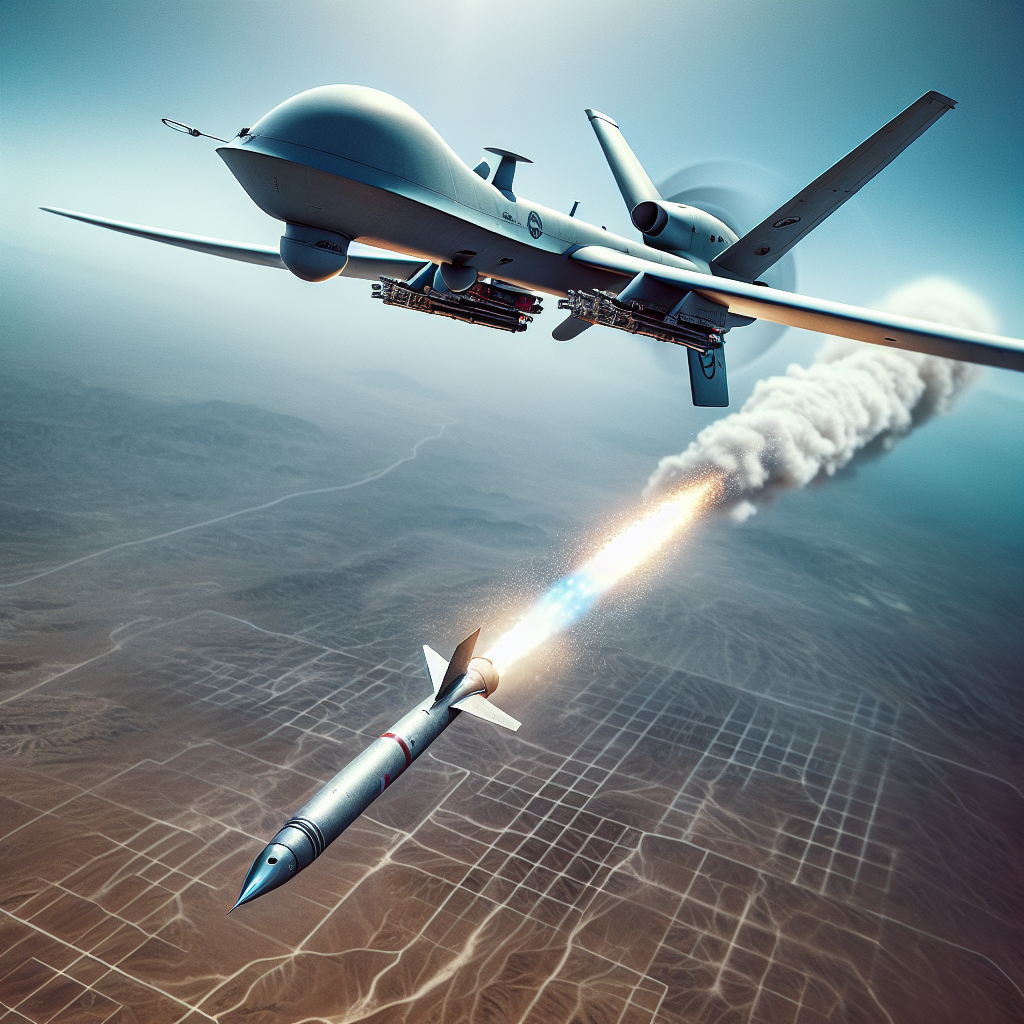
A drone strike targeting gas vessels in Egypt's Mediterranean port of Damietta has opened a potential new front in the ongoing U.S.-Iran conflict, raising fears over threats to navigation through the vital Suez Canal. The Egyptian cabinet reported that the attack, which caused fires on two vessels, was linked to an unidentified drone.
The situation escalated as the U.S. military retaliated by targeting Iran's Revolutionary Guards' military command centres and drone facilities. Iran responded by attacking U.S. assets in Jordan and Kuwait. Saudi Arabia joined U.S. forces in launching strikes against Iran-aligned groups in eastern Iraq, marking a significant escalation in the five-month conflict.
Amid these tensions, the war threatens to draw in more Middle Eastern countries, as seen with Yemen's Houthi militants recently declaring a naval blockade on Saudi Arabia. Oil prices have reacted to the conflict, experiencing substantial volatility, while discussions over the passage through the Strait of Hormuz continue between Iran and Oman.


 Google News