

Austria says it opposes EU plan to cap cash payments at 10,000 euros
We want to preserve that freedom for people," said Bluemel, whose People's Party governed in coalition with the FPO from 2017 to 2019 and often competes with the FPO for voters. The Finance Ministry commissioned a poll on Austrians' views on cash that was also published on Thursday.
- Country:
- Austria
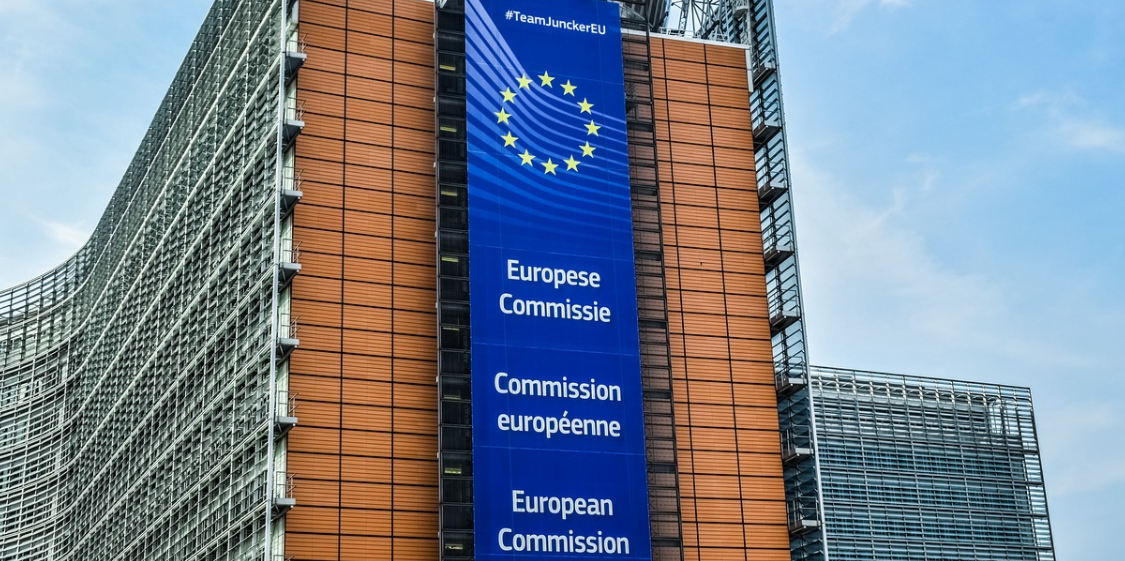
Austria on Thursday reinforced its status as one of Europe's most cash-loving countries by saying it opposed a plan by the European Commission to cap cash payments at 10,000 euros ($11,800). Cash is occasionally a topic of political debate in Austria, where the far-right Freedom Party (FPO) has long called for the right to use cash to be inscribed in the constitution. Many restaurants and bars still do not accept card payments.
In times of crisis, like the onset of the coronavirus pandemic, Austrians have also resorted to old-fashioned cash hoarding. In March last year they took out more than 4 billion euros in banknotes that they stashed at home or in bank safes, according to Austria's central bank. "There is a clear yes from Austria to the fight against money laundering and terrorism financing, and an equally clear no to attacks on cash," conservative Finance Minister Gernot Bluemel said in a statement, adding that only in Cyprus and Germany do people pay in cash more than in Austria.
It is "an illusion" to think that restricting cash payments will reduce criminal activity, Bluemel said. He added, without elaborating, that regulating cryptocurrencies was more important. "Cash gives people a sense of security, independence and freedom. We want to preserve that freedom for people," said Bluemel, whose People's Party governed in coalition with the FPO from 2017 to 2019 and often competes with the FPO for voters.
The Finance Ministry commissioned a poll on Austrians' views on cash that was also published on Thursday. Almost half the respondents, 47%, said they were "sceptical" of limits on cash while 35% said they welcomed them and 19% were undecided, the survey of 1,000 people by pollster Unique Research found. The poll had a margin of error of 3.1 percentage points. ($1 = 0.8443 euros)


 Google News