

Rubio's Revolution: A New Chapter for US Latin America Diplomacy
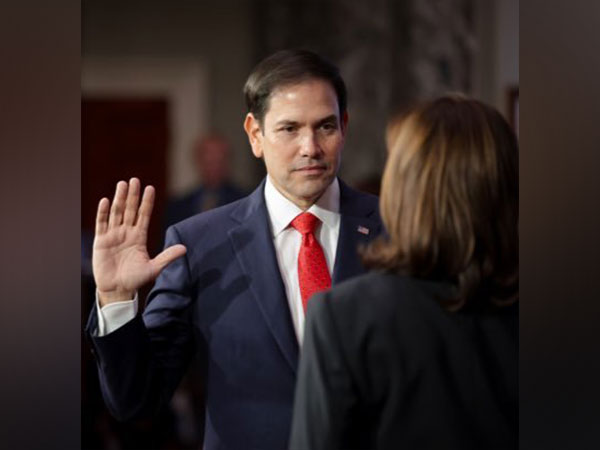
Senator Marco Rubio, chosen by President-elect Donald Trump as America's top diplomat, aims to reshape US policy in Latin America, leveraging his personal relationships and deep knowledge of the region. A staunch critic of communism, Rubio's approach contrasts sharply with the Biden administration and targets countries cozying up to US rivals.
- Country:
- United States
Senator Marco Rubio, a prominent figure in US politics, has been appointed by President-elect Donald Trump to serve as America's chief diplomat. Born in Miami among Cuban exiles, Rubio has been a vocal adversary of communism, a stance that deeply informs his foreign policy perspectives, particularly towards Latin America.
Rubio is poised to bring his ideological rigor to the State Department, focusing considerable attention on a region often viewed as Washington's backyard. As a seasoned member of critical Senate committees, Rubio has intricately influenced US policy in Latin America, which has witnessed a strategic retreat since the Cold War, allowing adversaries such as China and Russia to make significant inroads.
However, Rubio's hardline views, including support for Trump's mass deportation policies, may alienate some allies in a region increasingly critical of America's stance. His contentious approach, combined with a keen interest in Mexico, drug trafficking, and migration reform, sets the stage for potentially transformative, albeit polarizing, diplomatic engagements.
ALSO READ
-
IDB Sets Out Education Roadmap to Close LAC Learning Gaps
-
IDB Forum Puts Latin America and Caribbean’s $1.4 Trillion Housing Needs in Focus
-
IAEA and IDB Join Forces to Expand Nuclear Energy in Latin America and Caribbean
-
Colombia Gets €15 Million Boost to Build Vaccine Capacity and Cut Import Dependence
-
Miami Transport Forum to Connect Latin America’s Infrastructure Plans With Investors


 Google News