

Iraq's Pivotal Elections: Disillusionment and Political Reshuffling
Iraqis headed to the polls in parliamentary elections to choose a new 329-member legislature, amid growing disillusionment, with low turnout expected. Prime Minister Mohammed Shia al-Sudani seeks reelection, while young candidates challenge entrenched power dynamics. Officials face pressure to address corruption and balance international influences.
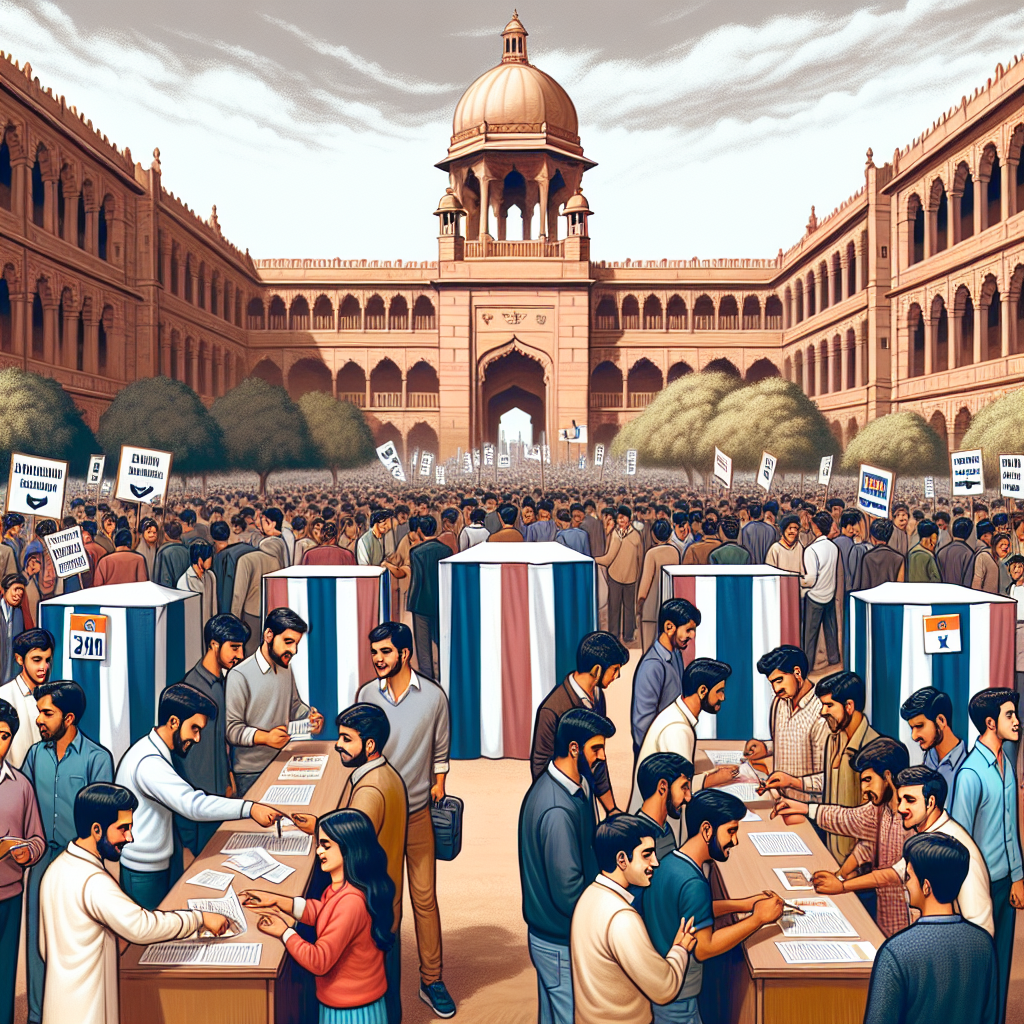
On Tuesday, Iraqis cast their votes in parliamentary elections to form a new 329-member legislature, as state television reported national polling hours ending at 6:00 p.m. (1500 GMT). Prime Minister Mohammed Shia al-Sudani aims for a second term amidst the electorate's growing skepticism over political divides.
The Prime Minister's bloc is projected to win a majority of seats, although not enough for an outright majority, signaling the potential for extended coalition discussions among Shi'ite, Sunni, and Kurdish parties for government roles. Persistent low voter turnout highlights public discontent over political stalemate and systemic corruption in Iraq.
With participation expected to fall below 41%, analysts point to disenchantment fueled partly by populist Shi'ite cleric Moqtada al-Sadr's boycott. The election, featuring many younger candidates, occurs during a critical period, with officials tasked to navigate geopolitical tensions and domestic unrest stemming from poor services and unemployment.


 Google News