

U.S. Strategy in Post-Maduro Venezuela: A Risky Gamble for Control
The U.S., under Trump, is strategizing to maintain influence in Venezuela following Maduro's removal, leveraging military threats and economic sanctions. The goal is to manage a political transition favoring U.S. interests, while officials like Interim President Rodriguez present challenges in aligning with U.S. objectives.
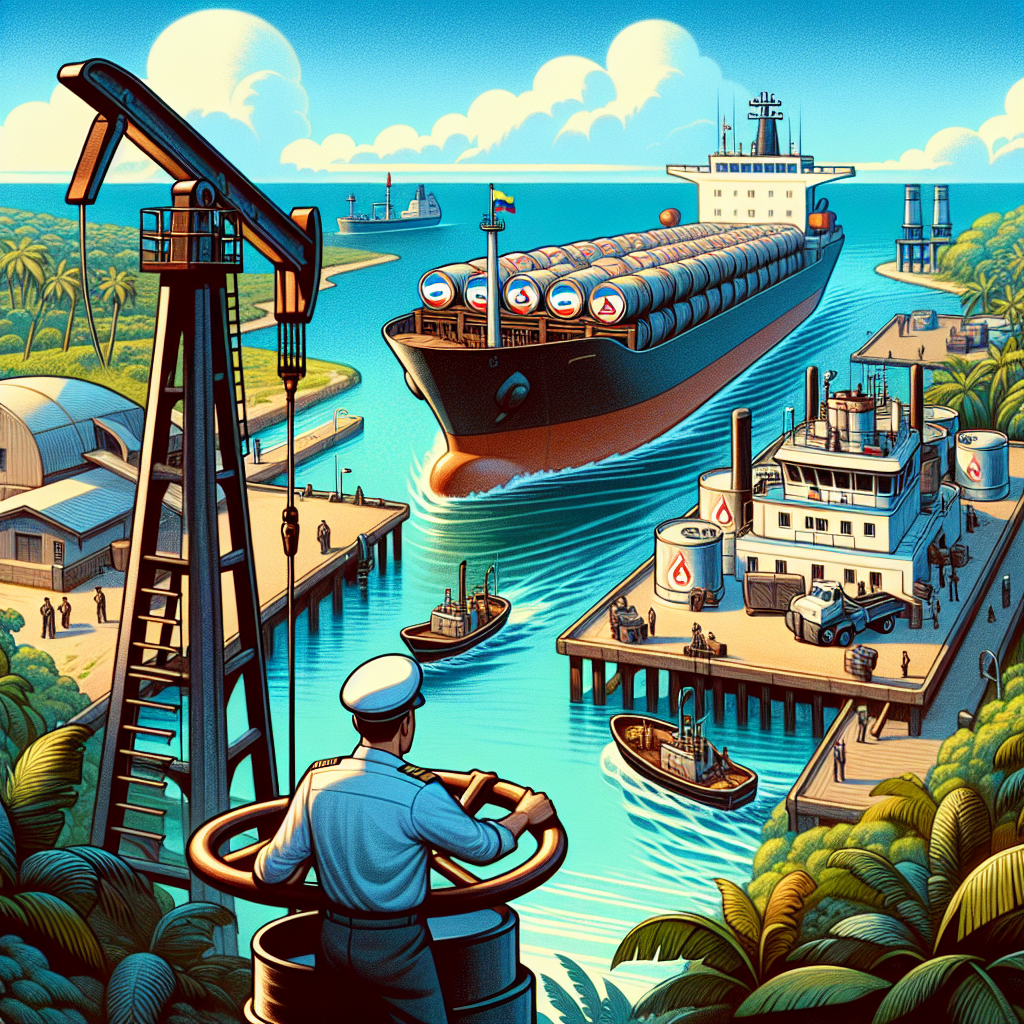
In a bold geopolitical play, the Trump administration is aiming to exert control over Venezuela following the removal of President Nicolas Maduro. By leading with military threats and economic sanctions, the U.S. hopes to coax Venezuelan officials to secure a U.S.-aligned political transition. Behind the scenes, efforts to work with Interim President Delcy Rodriguez are underway.
Despite Rodriguez's public resistance, her technocratic role and connections to the oil sector make her a crucial player in the American strategy. However, internal complexities persist, such as potential unrest among Maduro loyalists and the influential Venezuelan military leaders, who pose significant hurdles to U.S. plans.
Meanwhile, Trump's strategy risks facing opposition domestically, especially if Democrats rally enough GOP members to curb funding for further military operations. This precarious balance between exerting influence and avoiding foreign intervention backlash remains a delicate high-wire act for the administration.
ALSO READ
-
Lee Jae Myung's Diplomatic Milestones: Balancing Amidst Global Tensions
-
Venezuelan Central Bank's Gold Transfer Nears Completion
-
Diplomatic Moves: Takaichi's UN Meeting with Trump
-
Trade War Chessboard: Agriculture, Energy, and Rare Earths in Focus
-
High-Stakes Diplomatic Dance: Trump and Xi's Crucial Summit


 Google News