

Maduro's Dramatic Capture: A Turning Point in U.S.-Venezuela Relations
Former Venezuelan leader Nicolas Maduro was captured and brought to the U.S. to face drug trafficking charges, stirring global controversy. U.S. President Donald Trump's intervention has raised questions about international law. Maduro's capture could reshape Venezuelan politics and its oil industry. International reactions remain divided.
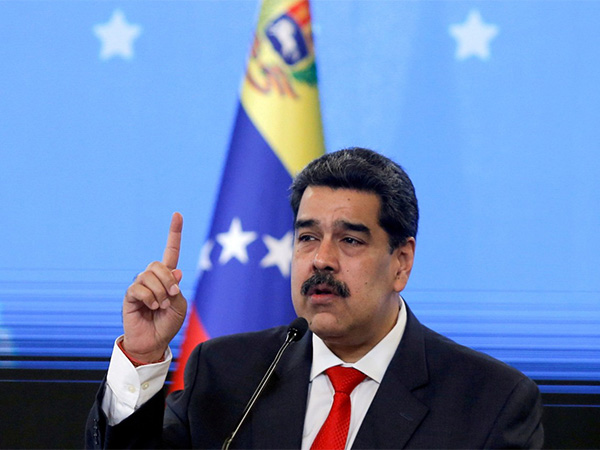
Nicolas Maduro, the toppled Venezuelan leader, appeared in a federal court on Monday to face U.S. drug trafficking charges. His capture, ordered by President Donald Trump, shocked global leaders and caused turmoil in Caracas. Maduro arrived at the Manhattan court under tight security.
The arraignment, while U.N. Chief Antonio Guterres expressed concerns about the legality and potential instability resulting from Trump's action, marked the latest significant U.S. intervention in Latin America. The Special Forces operation that arrested Maduro saw collaboration with groups linked to drug cartels.
Maduro's legal battle proceeds amid international debate over the legality of his capture. Trump asserts that the raid aligns with his oil aspirations, while Venezuela's leaders signal possible cooperation. The international community, particularly the U.N. Security Council, remains polarized over the incident's implications.


 Google News