

Iran's Crucible: Resilience Amidst Protest and External Pressure
Despite months of nationwide protests and international pressures, Iran's regime shows no sign of fracturing. While U.S. President Trump's threats add pressure, analysts believe the entrenched Islamic Republic, with its robust security forces, is unlikely to collapse unless internal defections occur. Economic strains and sanctions further challenge Iran's stability.
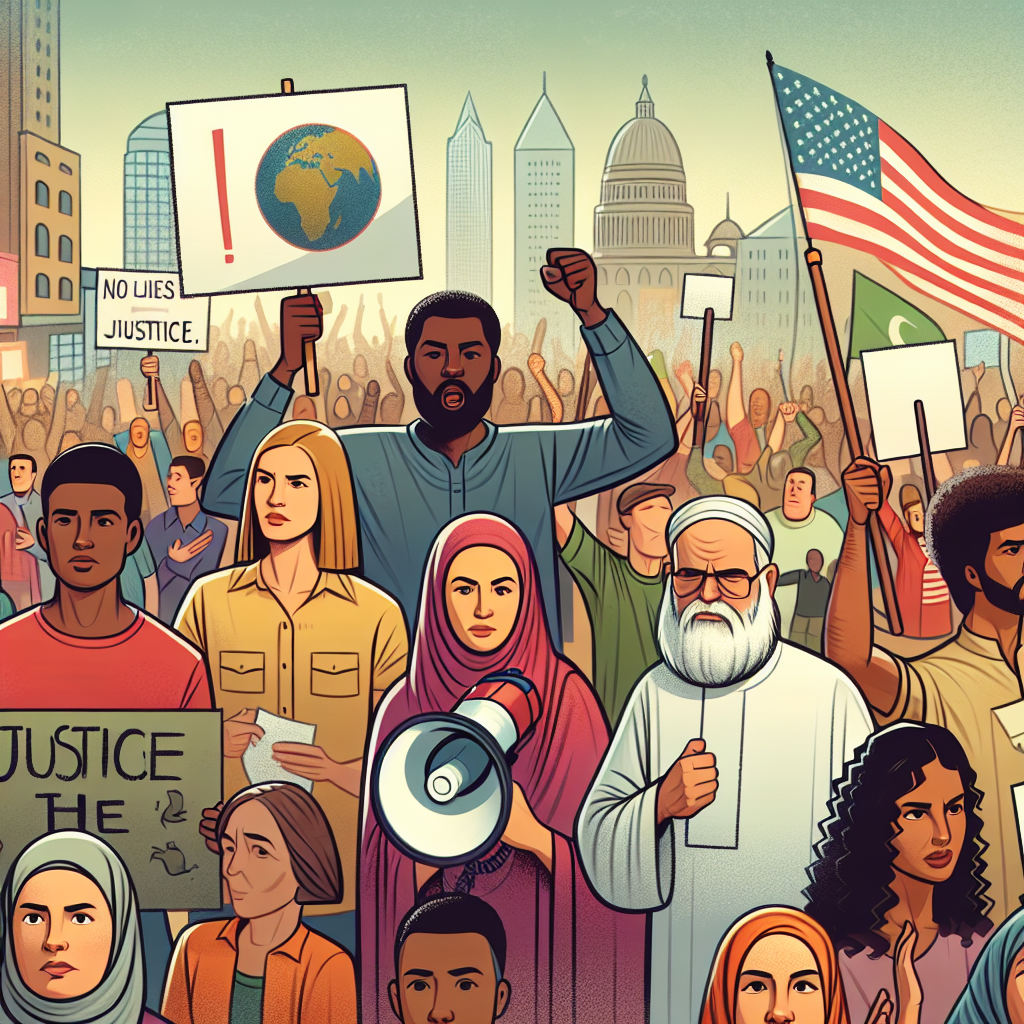
Despite enduring nationwide protests and years of external pressure, Iran's regime shows no sign of internal collapse that could end what is considered one of the world's most resilient governments.
U.S. President Trump's threats add to the stress on Iran's leadership, as persistent protests follow last year's Israeli and U.S. bombing campaigns against Iran's nuclear facilities. However, diplomats and analysts believe the regime will endure unless critical defections occur at high levels.
Analysts note that internal challenges, including economic sanctions and foreign pressures, place Iran in a challenging situation. Yet, the robust security architecture and deep-seated institutional strength have created a formidable resistance against both internal and external threats. This resilience persists despite an unresolved internal crisis.
ALSO READ
-
Poverty in the Line of Fire: UN Experts Demand Iran End Border Courier Killings
-
Iran’s Civilians Trapped Between State Repression and Deadly Strikes, UN Warns
-
Lee Jae Myung's Diplomatic Milestones: Balancing Amidst Global Tensions
-
Diplomatic Moves: Takaichi's UN Meeting with Trump
-
Trade War Chessboard: Agriculture, Energy, and Rare Earths in Focus


 Google News