

The Complexity of De-Extinction: Unraveling the Mystery of Reviving the Dire Wolf
Colossal Biosciences claims it has resurrected the extinct dire wolf through genetic editing, but experts doubt the validity of these claims. The debate centers on the definition of a species and highlights the challenges of truly recreating an extinct species' biological and genetic reality.
- Country:
- United States
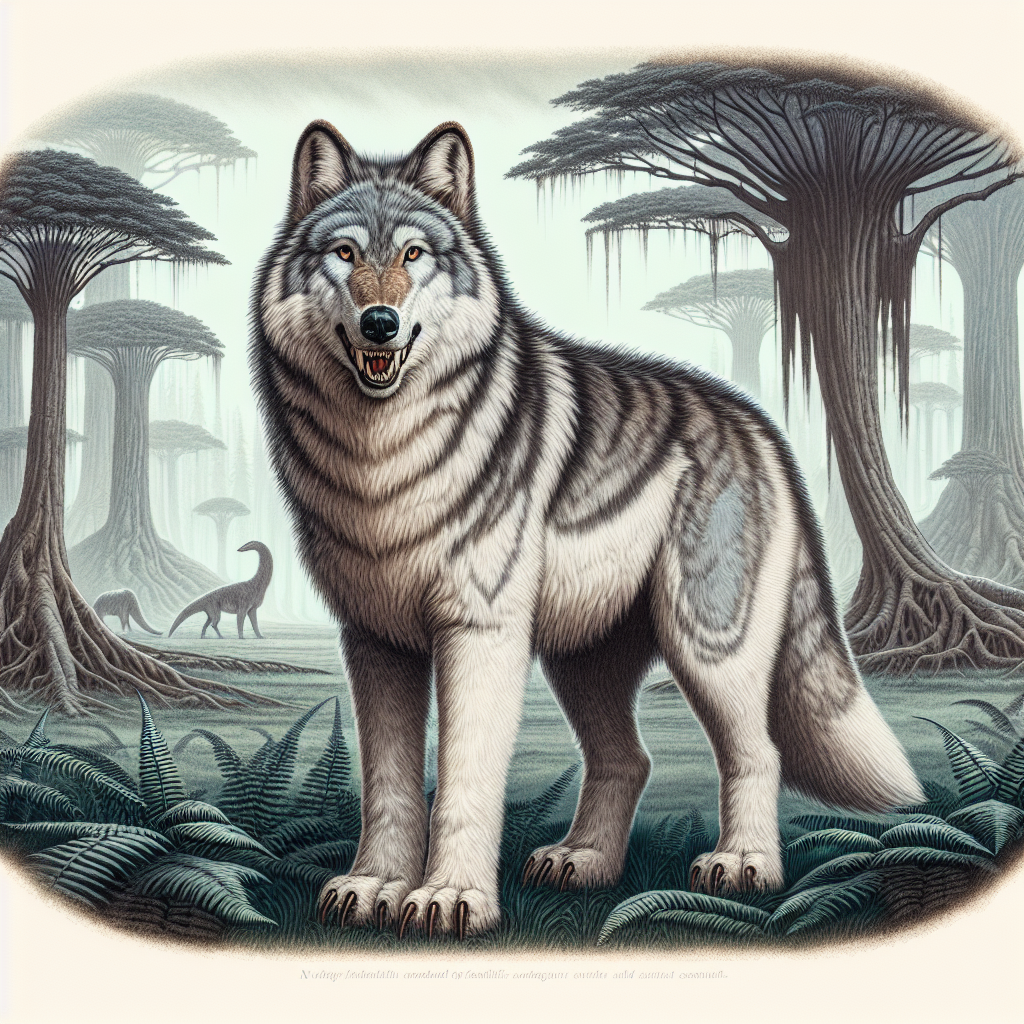
Colossal Biosciences stirred the scientific community in April 2025 by announcing it had successfully revived the extinct dire wolf. However, skeptics argue that the biotech firm's approach, which involved editing gray wolf genes to mimic dire wolf traits, falls short of true de-extinction.
The core of the controversy lies in the definition of 'species.' While scientists agree species classification should reflect natural evolutionary patterns, definitions differ. Some focus on ability to interbreed, while others emphasize unique evolutionary history, complicating de-extinction efforts.
This complexity prompts a reevaluation of de-extinction goals. Recreating a species involves more than outward appearance—restoring intricate genetic and biological systems is vital. Without this, lab-created analogs remain superficial replicas, lacking the essence of the original species.


 Google News