

Europe Heatwave Breaks Records as UN Warns of Rising Health Risks
The World Health Organization (WHO) said more than 1,300 excess deaths linked to the extreme heat had been recorded since 21 June, while over 150 million people across Europe have been affected.
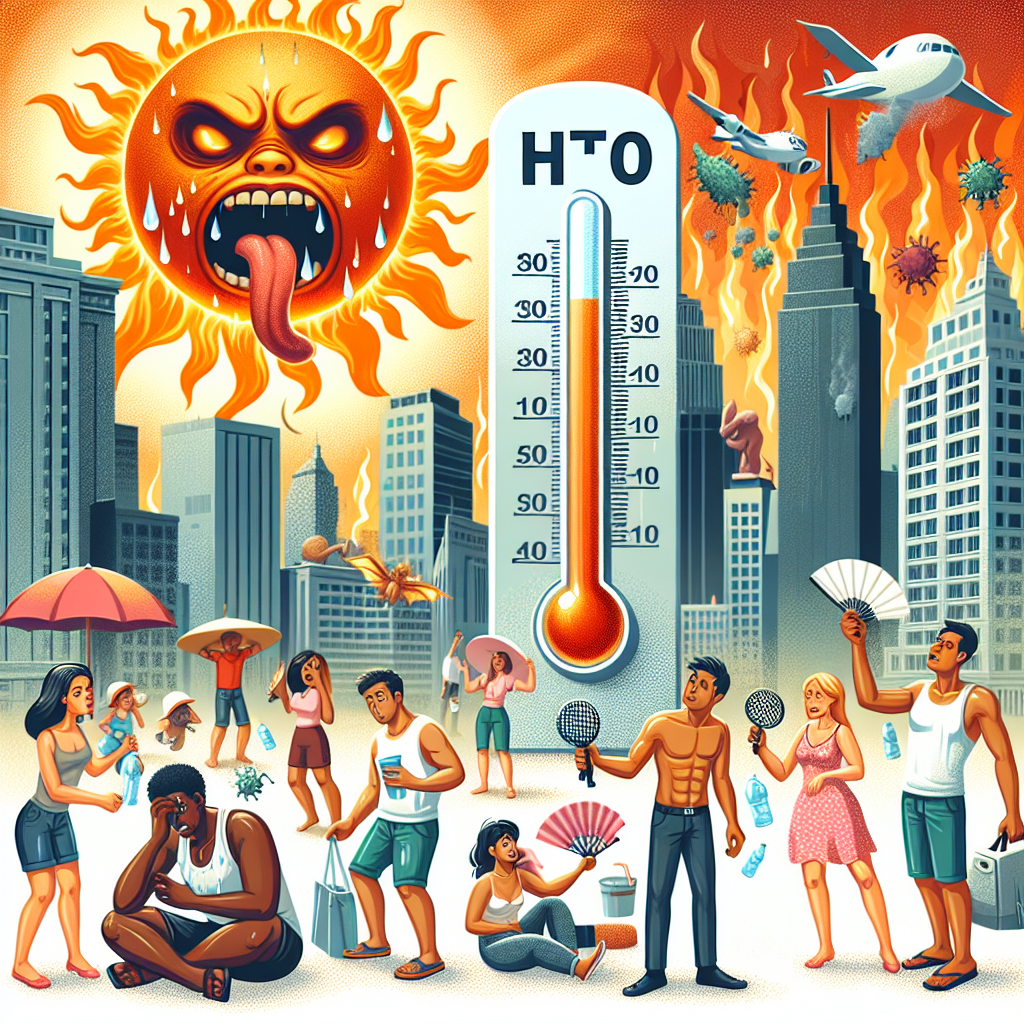
An extraordinary heatwave has pushed temperatures to record levels across Europe, bringing severe health risks, damaging infrastructure and increasing the threat of drought, wildfires and violent storms, according to the World Meteorological Organization (WMO).
The heatwave, which began over the Iberian Peninsula before spreading across western, central and southern Europe, has broken temperature records in several countries. Germany recorded a new high of 41.7°C, while Hungary, Poland, the Czech Republic, Austria, Denmark, Switzerland, the Netherlands, France, Spain and the United Kingdom also reported unprecedented June temperatures. WMO said Europe has warmed by around 2°C over the past 50 years, making it the world's fastest-warming continent and increasing the frequency and intensity of extreme heat events.
Thousands affected as health risks intensify
The World Health Organization (WHO) said more than 1,300 excess deaths linked to the extreme heat had been recorded since 21 June, while over 150 million people across Europe have been affected. Health experts warned that prolonged periods of high daytime and nighttime temperatures prevent the human body from recovering, placing older adults, children, pregnant women, outdoor workers and people with chronic illnesses at greatest risk.
Authorities across Europe have issued the highest-level heat warnings in many regions. France recorded its hottest day on record with temperatures reaching 43.8°C and issued red alerts across 58 departments, while the United Kingdom experienced three consecutive days of red heat warnings for the first time under its current warning system. Experts also highlighted that warm nights, especially in cities, significantly increase the danger because the body remains under continuous heat stress without adequate time to cool down.
UN agencies strengthen heat warning efforts
WMO and WHO are working together with governments and partners to improve early warning systems and heat-health action plans that can help reduce deaths and minimise disruption during extreme heat events. The organisations are also supporting countries through the Early Warnings for All initiative and the Global Heat Health Information Network, providing guidance that helps authorities prepare for increasingly frequent heatwaves.
The UN said reliable weather forecasting, public awareness campaigns and stronger coordination between health and climate agencies are becoming increasingly important as global temperatures continue to rise. WMO stressed that extreme heat is expected to become more frequent, more intense and longer lasting because of climate change, making long-term preparedness essential for protecting lives, public health and national economies.


 Google News