

Typhoon Bavi Tests China's Weather Resilience with Widespread Disruptions
Typhoon Bavi, a major storm, wreaked havoc across eastern China, causing significant disruptions and testing the nation's emergency response. Nearly 2 million people evacuated as the storm hit Zhejiang province, triggering floods and landslides. Disruptions extended to transport networks, with flights and trains cancelled in affected regions.
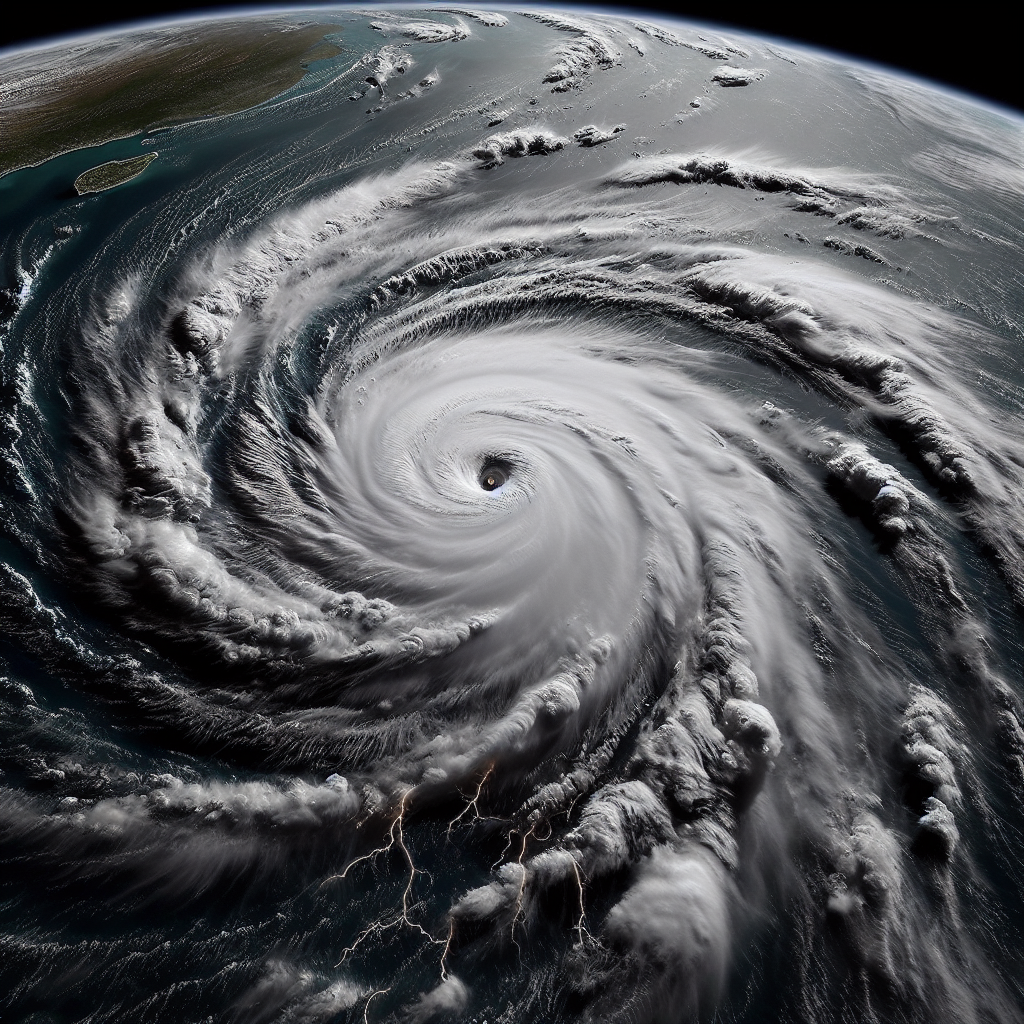
Typhoon Bavi, a formidable tropical storm, lashed eastern China with torrential rain and fierce winds on Sunday, straining the country's capacity to manage severe weather events. Striking major urban centers along the eastern coast, Bavi prompted widespread evacuations and challenged emergency response systems.
Although it weakened to a tropical storm upon moving inland, forecasters warned of ongoing threats with extensive rainfall expected across eastern and northern China. Zhejiang province faced the brunt of the storm, with nearly 2 million residents evacuated in preparation for the typhoon's onslaught.
Transport networks faced severe disruptions, as numerous flights and train services were suspended. Experts cautioned that the impact of Bavi could be exacerbated by the lingering effects of El Nino, emphasizing the need for increased readiness to handle rapid intensification of weather events.


 Google News