

Foreign Coaches: Breaking Taboos and Redefining World Cup Success
International football is seeing a shift as foreign coaches, notably Thomas Tuchel and Rudi Garcia, take charge of major national teams, challenging traditional views of national identity in World Cup contexts. This trend reflects evolving perspectives on football culture and the acceptance of international styles of play.
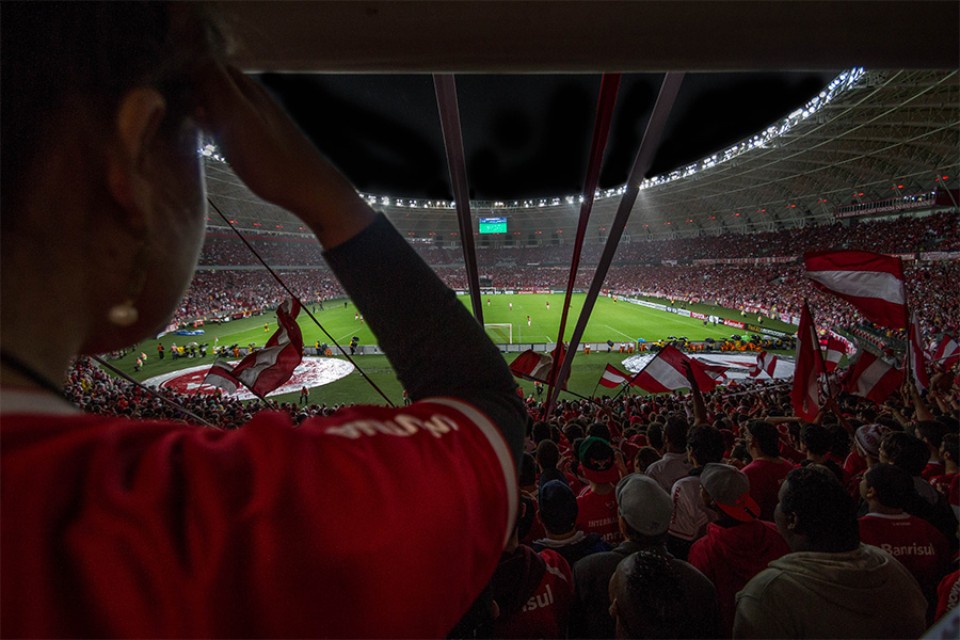
The world of international football is witnessing a historic shift as foreign coaches increasingly take the helm of major national teams. Traditionally, countries considered the World Cup a platform for showcasing national identity, with coaching roles often reserved for natives. However, Thomas Tuchel's England and Rudi Garcia's Belgium making it to the quarter-finals have challenged these conventions.
At the tournament's onset, 27 countries had appointed non-nationals as head coaches, a significant rise from just nine four years ago. Noteworthy among them are Tuchel and Garcia, the last remaining foreign coaches with a chance to lift the coveted trophy. England, after experiments with foreign coaches like Sven-Goran Eriksson and Fabio Capello, might be closer to success.
Experts like Simon Kuper suggest this shift is driven by the evolving nature of football, where an international style of play transcends traditional boundaries. The move to foreign coaches signifies major federations, like Brazil and England, acknowledging that their national styles need adaptation to compete globally, albeit with significant cultural implications.


 Google News