

Science News Roundup: Webb space telescope spies precocious 'teenage' galaxies; UK says new science initiative to work on climate-resilient crops and more
Following is a summary of current science news briefs. North Korea's space launch program and long-range missile projects North Korea has notified Japan of a plan to launch a rocket carrying a space satellite between Nov. 22 and Dec. 1, which would be the third attempt by Pyongyang to put a military spy satellite in orbit after two failures this year.
Following is a summary of current science news briefs.
North Korea's space launch program and long-range missile projects
North Korea has notified Japan of a plan to launch a rocket carrying a space satellite between Nov. 22 and Dec. 1, which would be the third attempt by Pyongyang to put a military spy satellite in orbit after two failures this year. In September, North Korean leader Kim Jong Un met Russian President Vladimir Putin, who said during a tour he gave of a modern space launch station that Moscow would help Pyongyang build a satellite.
UK says new science initiative to work on climate-resilient crops
British Prime Minister Rishi Sunak will announce a new science initiative to bring together work on developing climate-resilient crops as his government hosts a Global Food Security Summit in London on Monday. The summit, a joint initiative between Britain, Somalia, the UAE, the Children's Investment Fund Foundation and the Bill and Melinda Gates Foundation, is due to be attended by representatives from more than 20 countries.
Webb space telescope spies precocious 'teenage' galaxies
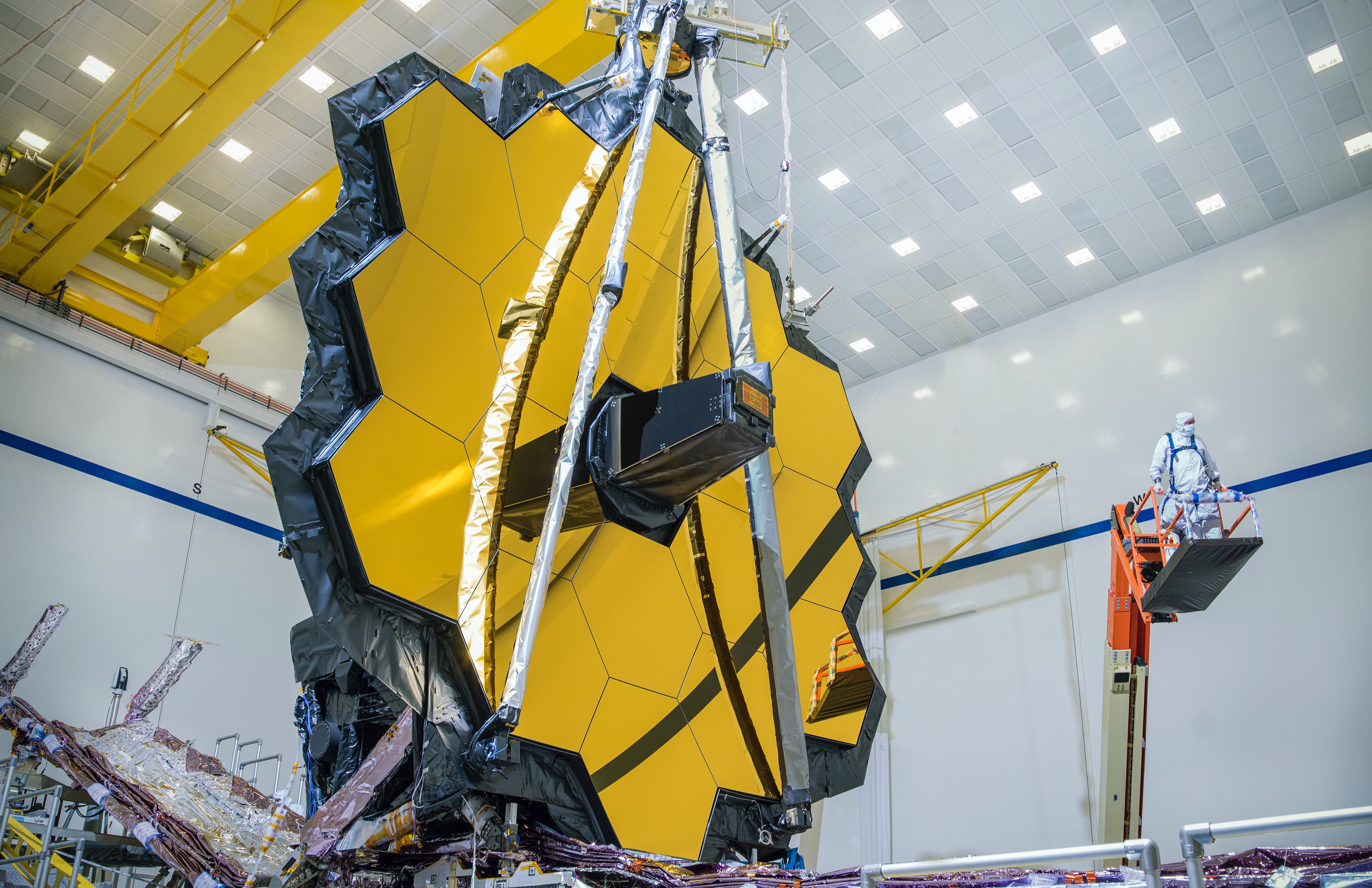
Since becoming operational last year, the James Webb Space Telescope has made groundbreaking observations involving some of the universe's earliest galaxies. One might call them galactic infants. But Webb has obtained even better data on galaxies a bit further along in development. Astronomers call these the galactic "teenagers." And, as new research shows, they resemble human teenagers in certain respects, including by displaying growth spurts along with a bit of immaturity.
ALSO READ
-
Lee Jae Myung's Diplomatic Milestones: Balancing Amidst Global Tensions
-
Prospects of a New Summit: South Korean Optimism Amid Uncertainty
-
Kim Yo Jong Blames US Drills for Rising Tensions
-
North Korea's Diplomatic Foray: Kim Son-Gyong at the UN Assembly
-
Britain Seeks Inclusion in EU's 'Made in Europe' Policy


 Google News