

Global Repatriation Efforts Amid Middle East Flight Disruptions
Governments are orchestrating multiple repatriation flights to bring stranded citizens home due to escalating U.S. and Israeli tensions with Iran. With commercial flights largely suspended, repatriation efforts focus on key regions like Britain, France, and the United Arab Emirates. Airline stocks fluctuate amid rising oil prices and safety concerns.
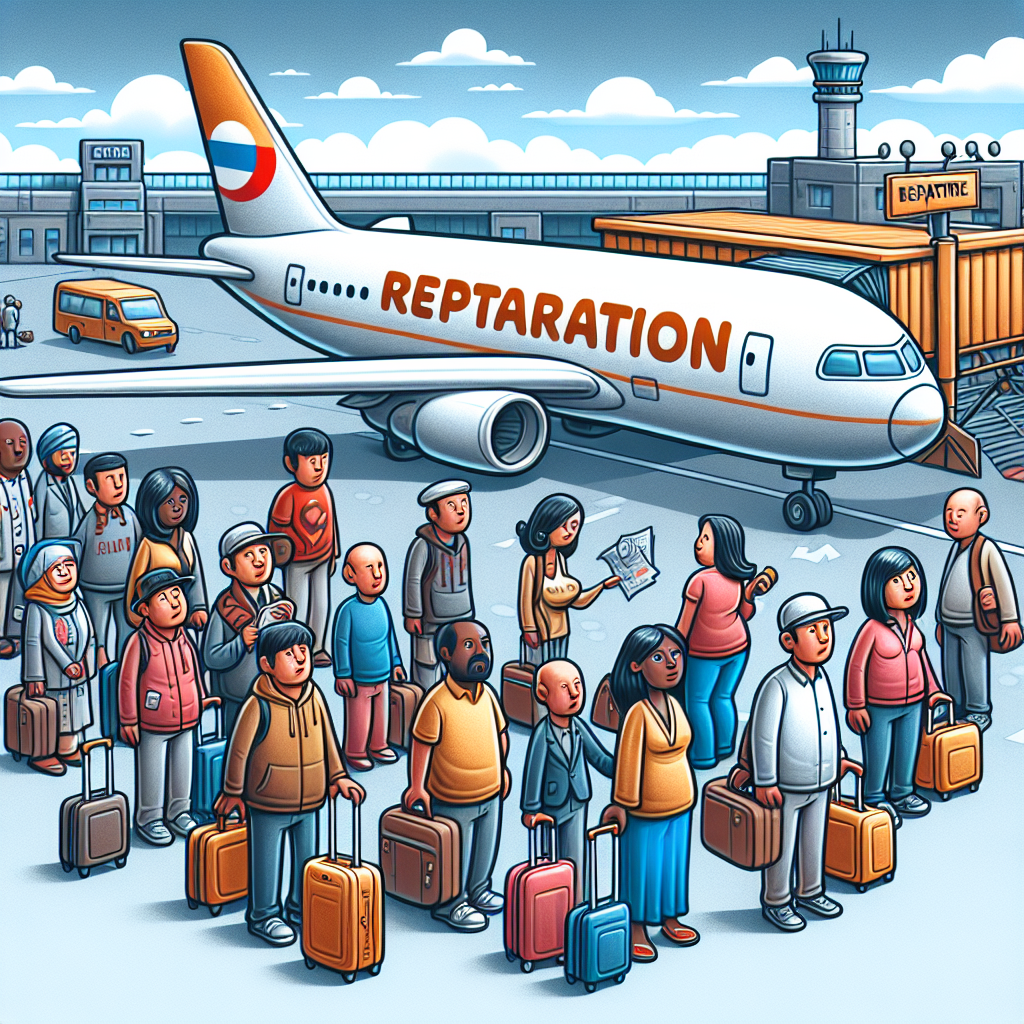
Dozens of repatriation flights were set to depart from the Middle East on Wednesday as governments rushed to evacuate tens of thousands of citizens stranded due to escalating U.S.-Israeli tensions with Iran. Commercial skies over the region remain largely empty, marking the biggest travel disruption since the COVID-19 pandemic.
The first flights targeted destinations in Britain and France, with the United Arab Emirates opening special corridors for its citizens. French Finance Minister Roland Lescure assured the public of the cautious operation of these repatriation efforts, which aim to return approximately 400,000 French nationals from the region. Meanwhile, a chartered British flight from Oman will prioritize vulnerable UK citizens.
Airlines like Emirates have suspended routes to and from Dubai, while others face challenges due to constrained airspace. Many carriers are adding refueling stops or carrying additional fuel. The uncertainty has impacted airline stocks, with volatile trading prices and rising fuel costs linked to increasing oil prices, affecting future ticket prices and operational costs.
ALSO READ
-
Air Cargo Demand Climbs 4.4% as Airlines Face Soaring Fuel Costs Ahead of Peak Season
-
Lee Jae Myung's Diplomatic Milestones: Balancing Amidst Global Tensions
-
Asian Stocks Surge Amid Global Inflation Concerns
-
South Korean Stance on Middle East Conflict
-
US Approves Potential Sale of F-35 Jets to Saudi Arabia, Shifting Middle Eastern Power Dynamics


 Google News