

Airlines Scramble Amid Middle East Conflict Disruptions
Governments organized repatriation flights to evacuate citizens from the Middle East amid U.S.-Israeli tensions with Iran. The airline industry faces challenges as major Gulf airports remain closed, impacting global travel and trade routes. Rising oil prices and altered flight routes may lead to increased airfare.
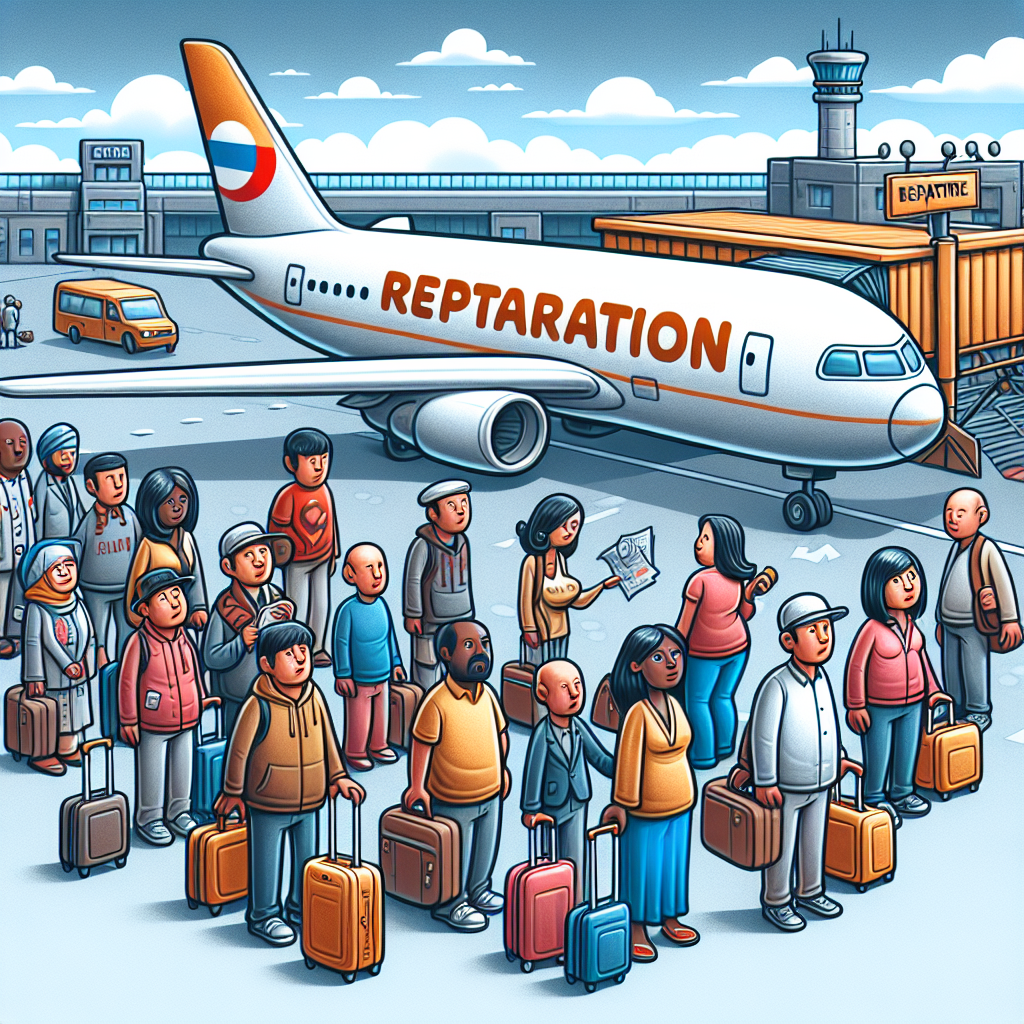
As tensions between the U.S. and Israel heighten against Iran, governments rushed to arrange repatriation flights from the Middle East on Wednesday. With major Gulf airports shut for five days, citizens from various nations await evacuation amid the region's largest travel disruption since the pandemic.
British, French, and Emirati officials have taken proactive measures, organizing flights to return stranded nationals. Other countries like Poland and the Czech Republic have utilized military or chartered aircraft, ensuring their citizens' safe passage. More flights are scheduled as the airspace remains constrained.
Airlines face significant challenges, with rising oil prices and rerouted flight paths increasing operational costs. Many commercial flights remain suspended, forcing carriers to implement strategic refueling plans. The situation has influenced airline stocks and poses potential long-term impacts on ticket pricing if alternative routes persist.
ALSO READ
-
Seychelles Growth Set to Slow to 1% as Tourism Feels the Middle East Conflict’s Impact
-
ADB Approves $1.5 Billion to Protect Philippines From Conflict-Driven Price Hikes
-
Surge in Mortgage Rates Amid Labor Market Stability and Middle East Conflict
-
Escalating Middle East Conflict Threatens Global Oil Supply


 Google News