

AfDB Consults Partners on North Africa Integration Strategy
The African Development Bank presented a regional assessment showing that North Africa represents a market of around 275 million people with a combined gross domestic product of approximately US$1 trillion.
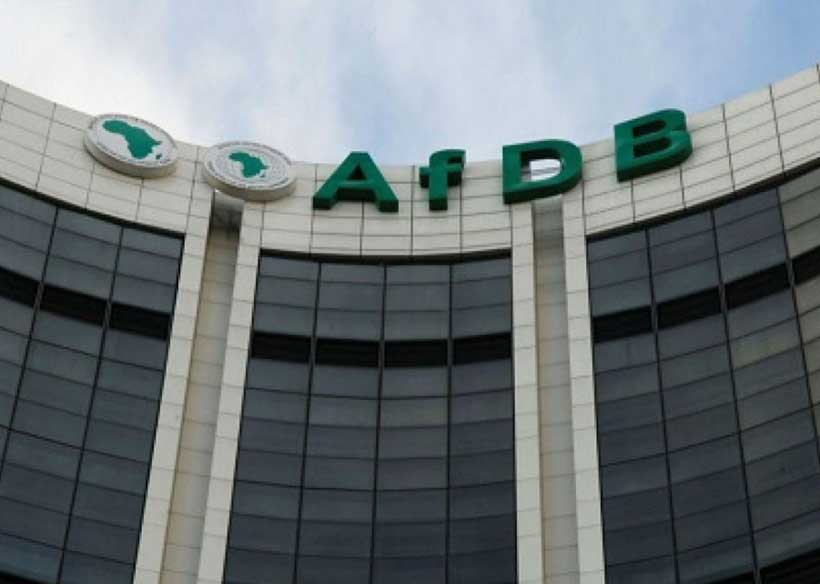
- Country:
- Tunisia
The African Development Bank (AfDB) has brought together government officials, private sector representatives, civil society organisations and development partners in Tunisia to help shape its next Regional Integration Strategy for North Africa, which will guide cooperation across the region from 2027 to 2033.
The consultation workshop, held in Tunis on 23 June 2026, reviewed the achievements of the Bank's first Regional Integration Strategy Paper for North Africa (2020–2026) while gathering ideas and priorities for the next phase. The upcoming strategy is expected to strengthen economic ties within North Africa and improve connections between the region and the rest of the African continent.
Stronger connectivity seen as key to economic growth
Participants discussed ways to improve transport and logistics corridors, energy connections, financial integration, private sector investment and regional value chains. Agriculture, water security, youth employment and skills mobility were also identified as important areas for future cooperation.
The African Development Bank presented a regional assessment showing that North Africa represents a market of around 275 million people with a combined gross domestic product of approximately US$1 trillion. Despite this economic potential, trade between countries in the region accounts for less than 5% of total trade, mainly because of infrastructure gaps, fragmented financial markets and differences in regulations and standards.
Tunisia positioned to play a leading regional role
The Bank said Tunisia has significant opportunities to expand industries such as agro-processing, electrical manufacturing, textiles, pharmaceuticals, digital services and engineering by strengthening economic links with Algeria, Libya and sub-Saharan Africa. Better regional connectivity could lower transport costs, open new export markets and create more skilled employment opportunities, particularly for young people.
Between 2020 and 2026, the Regional Integration Strategy for North Africa helped mobilise nearly US$6 billion for 23 sovereign and non-sovereign projects supporting infrastructure, trade finance and economic corridor development. The Tunis consultation forms part of a wider series of discussions already held in Mauritania, Libya and Morocco as the African Development Bank works toward a new strategy that promotes productive transformation, stronger regional resilience and inclusive economic growth across North Africa.


 Google News