

AfDB Launches $10 Million Project to Help Restore Lake Chad
The project will carry out a series of technical studies to identify the most effective ways to restore the lake and improve water management across the basin.
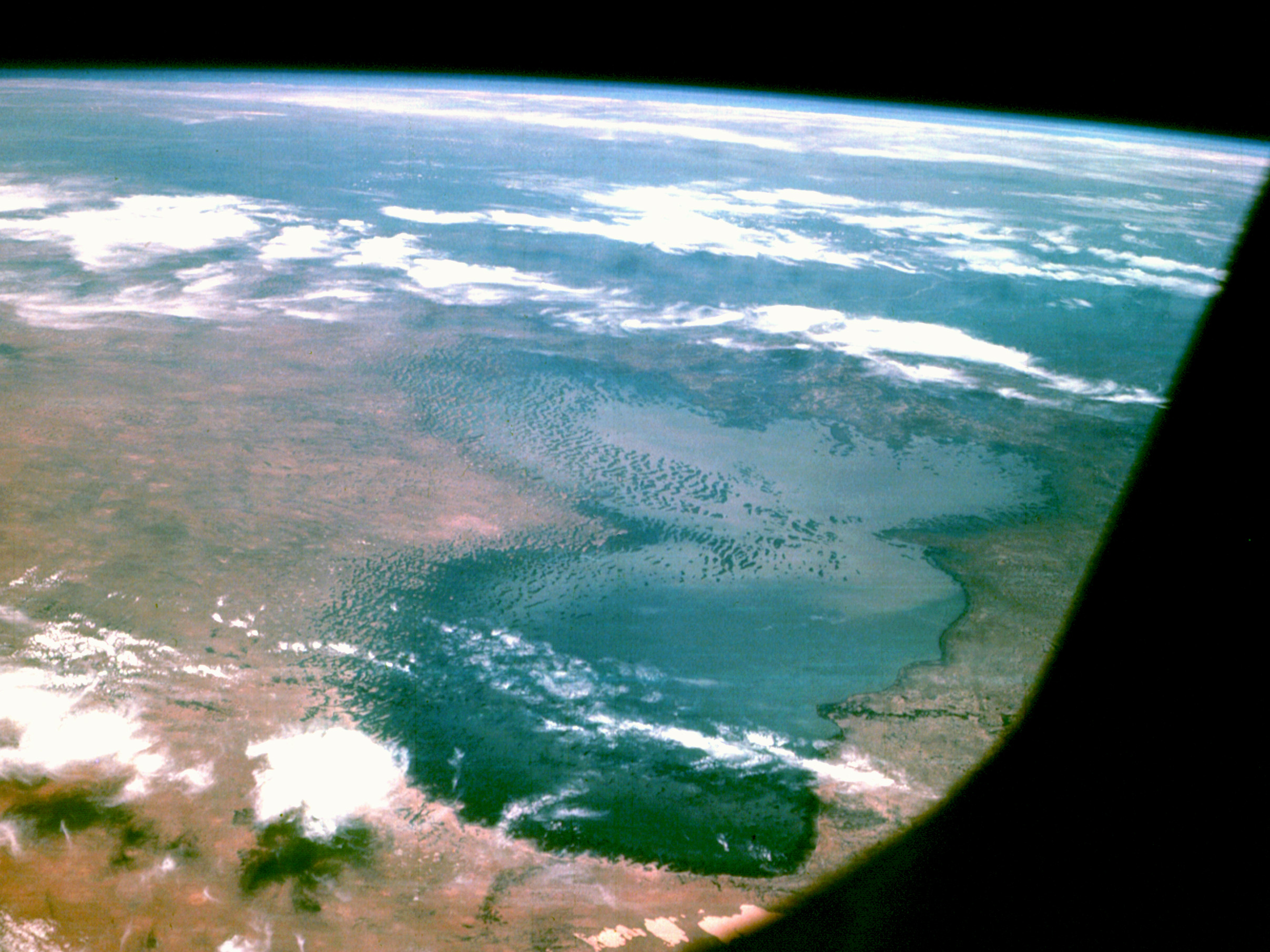
The African Development Bank Group, the Lake Chad Basin Commission (CBLT), and the commission's five member states have launched a $10 million technical support project to prepare major investments for restoring Lake Chad's ecological and economic health while improving the resilience of millions of people who depend on the lake.
The Technical Support Project for the Restoration of the Ecological and Economic Functions of the Lake Chad Basin (PARFEBALT) is financed by the African Development Fund, with the Lake Chad Basin Commission contributing an additional 10% of the project's cost. The initiative will strengthen knowledge of the basin's water resources and improve regional water governance to support future large-scale restoration efforts.
Launching the project, Chad's Minister for Water and Energy and Chair of the CBLT Council of Ministers, Passalet Kanabé Marcelin, described Lake Chad as a lifeline for millions of people whose livelihoods rely on agriculture, fishing, livestock farming, and access to water. He said the project is designed not only to provide technical assistance but also to prepare the foundation for long-term investments that can address the growing pressures of climate change, ecosystem degradation, and increasing demand for natural resources.
Studies to Guide Future Investments
The project will carry out a series of technical studies to identify the most effective ways to restore the lake and improve water management across the basin. Researchers will examine options for increasing water flows in the Chari-Logone and Komadougou-Yobé river systems, which supply most of Lake Chad's water, while also assessing sustainable approaches to raising the lake's water level. The studies will evaluate environmental, climate, social, and economic factors to identify practical and sustainable solutions for restoring the basin's ecosystems and supporting local communities.
To strengthen climate resilience, PARFEBALT will establish a regional early warning system capable of improving flood and drought forecasting. Modern water resource modelling and planning tools will also be introduced, giving member countries better information to support long-term water management decisions and reduce the impact of climate-related disasters.
Supporting Millions Who Depend on the Basin
Speaking on behalf of the African Development Bank Group, Chad Country Manager Francis Dogo said restoring Lake Chad has become increasingly urgent after decades of environmental decline. He noted that the lake, once covering about 25,000 square kilometres in 1960, shrank to around 2,500 square kilometres during its driest periods, although conditions have shown some improvement in recent years.
He said recurring droughts, floods, overuse of natural resources, conflicts between farmers and herders, and ongoing insecurity continue to threaten the region, making stronger cross-border water management essential for food security, regional cooperation, and sustainable development.
Participants at the launch workshop agreed that the studies and planning tools developed under PARFEBALT will help attract larger investments needed to restore the lake's water systems, revive agriculture, fisheries, and livestock production, reduce communities' vulnerability to climate shocks, and improve stability across a region that is home to more than 40 million people.
The workshop also recommended stronger communication to support fundraising efforts, faster establishment of national focal points, additional technical expertise for the project's monitoring committee, and improved monitoring and evaluation systems. Reaffirming the Bank's commitment, Dogo said the partners have a responsibility to ensure the project succeeds.
ALSO READ
-
Côte d’Ivoire Secures $24 Million to Restore Forests and Support Rural Communities
-
AfDB Places KEEPS Construction Under 12-Month Compliance Order After Fraudulent Practice
-
Central Africa Faces $35.6 Billion Funding Gap as Growth Forecasts Signal Steady Gains
-
Benin’s Growth Surges as $2.43 Billion Annual Funding Need Shapes Its Economic Future
-
Free AI Training Opens Doors for African Public Officials to Build Smarter Services


 Google News