

Turbulent Currency Markets and the Middle East Impact
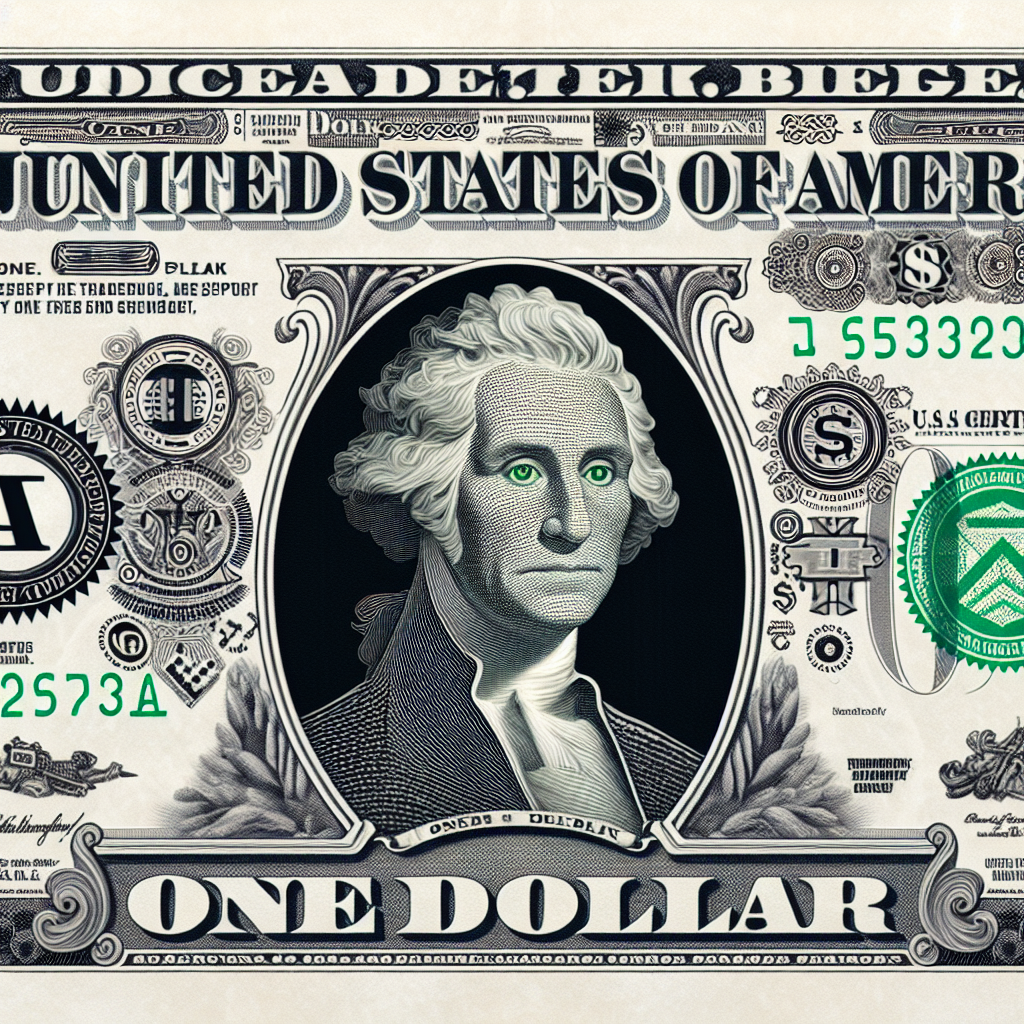
The U.S. dollar remains near a one-week high amid volatile Middle East dynamics. Currency markets are influenced by fluctuating oil prices and geopolitical tensions. U.S. Treasury yields increase as inflation risks rise, affecting expectations for Federal Reserve rate hikes. Global currencies show mixed reactions to geopolitical and economic developments.
- Country:
- United Kingdom
The U.S. dollar maintained a one-week high on Tuesday, as markets struggled with contradictory signals from the Middle East. Regional conflicts stirred fears of energy disruptions, yet hopes for a ceasefire offered temporary relief. The dollar remained stable against the yen at 162.49 yen, while the euro and the British pound showed minimal movement.
The U.S. dollar index, which contrasts the currency against six major peers, held steady at 100.93, following its peak since July 15 in the previous session. The continued tension in the Middle East kept oil prices erratic, highlighted by Yemen's Houthi rebels declaring a naval blockade on Saudi Arabia, impacting global energy supply concerns.
U.S. Treasury yields rose amidst inflation worries fuelled by increasing oil prices linked to the Middle East crisis. Recent U.S. economic data suggested a lower likelihood of immediate Federal Reserve rate hikes, though the chance of a September hike has increased. Global currencies showed varying resilience amid geopolitical and economic uncertainties.
ALSO READ
-
Air Cargo Demand Climbs 4.4% as Airlines Face Soaring Fuel Costs Ahead of Peak Season
-
Lee Jae Myung's Diplomatic Milestones: Balancing Amidst Global Tensions
-
Asian Stocks Surge Amid Global Inflation Concerns
-
South Korean Stance on Middle East Conflict
-
US Approves Potential Sale of F-35 Jets to Saudi Arabia, Shifting Middle Eastern Power Dynamics


 Google News