

India's Aggressive Edible Oil Imports Cause Port Congestion
India's significant increase in vegetable oil imports has led to congestion at major ports, delaying vessel unloading by up to 10 days. This situation is forcing Indian refiners to reconsider their purchases of soyoil and palm oil, potentially affecting global inventories and futures in Indonesia, Malaysia, and Argentina.
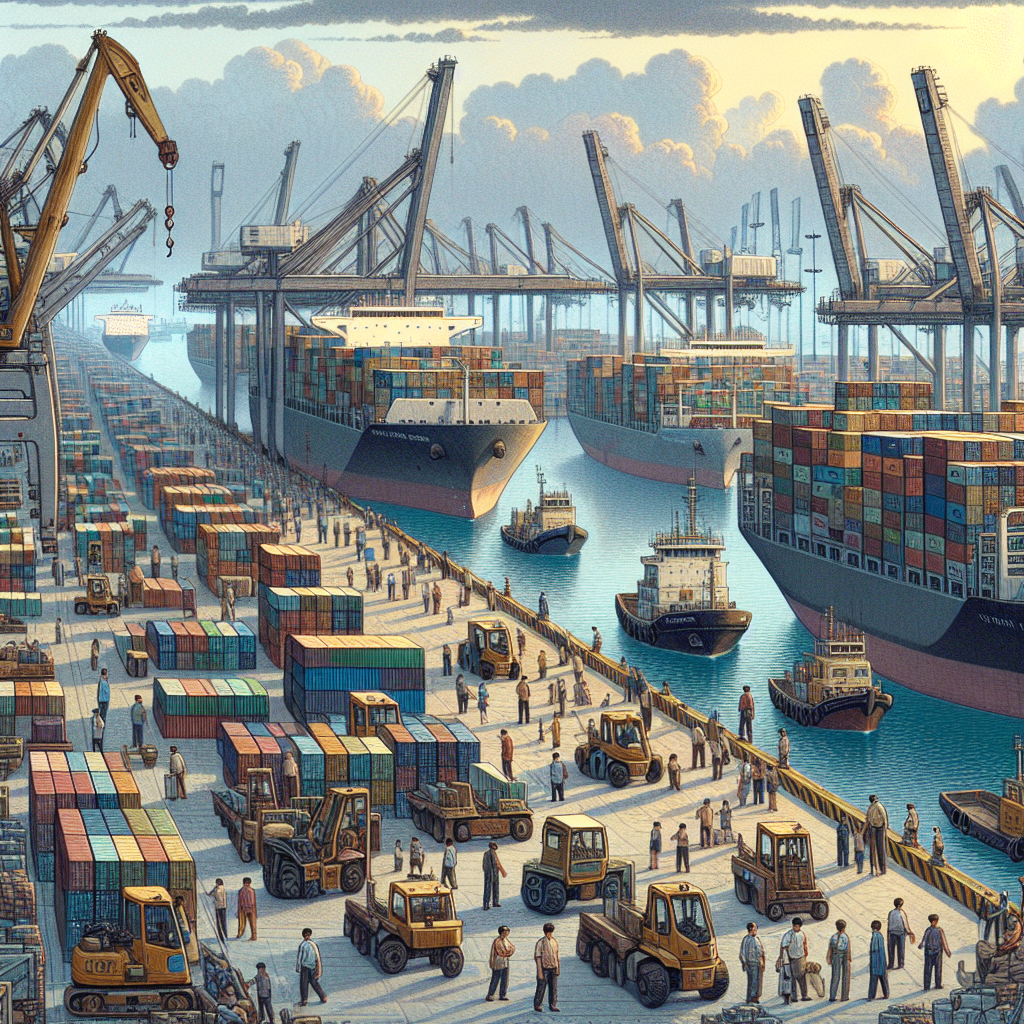
The surge in India's vegetable oil imports has resulted in significant congestion at major ports, causing delays of up to 10 days for vessel unloading. The filled shore tanks and the struggle of refiners to clear incoming cargo have compounded the problem, industry officials revealed to Reuters.
Experts suggest that the congestion is likely to influence Indian refiners to cut back on soyoil and palm oil purchases for October, which may lead to an increase in inventories for major producers like Indonesia, Malaysia, and Argentina. This, in turn, could affect benchmark futures for palm oil and soyoil.
The congestion issue is prominently seen at Kandla port, India's primary edible oil import gateway. This pile-up is partly due to refiners capitalizing on lower prices for immediate delivery, driven by anticipated festival demands, which have not materialized as expected. As a result, refiners now plan to scale down purchases in the coming months.
ALSO READ
-
UN Experts Urge India to End Police Crackdown on Peaceful Youth Protests Nationwide
-
Green Ammonia Push Gets ADB and Japan Backing for Renewable Energy Plant
-
India's Rural Transformation Offers Global Lessons in Prosperity and Farmer Resilience
-
Japanese Lawmakers Visit India to See Worker Protection and Skills Projects in Action
-
Indian Unions Push for Fair Recruitment and Rights for Care Workers in Germany


 Google News