

New report shows millions still lack electricity and clean cooking
The report says Sub-Saharan Africa remains the region facing the biggest challenge, with more than 560 million people lacking electricity and 970 million still without access to clean cooking solutions.
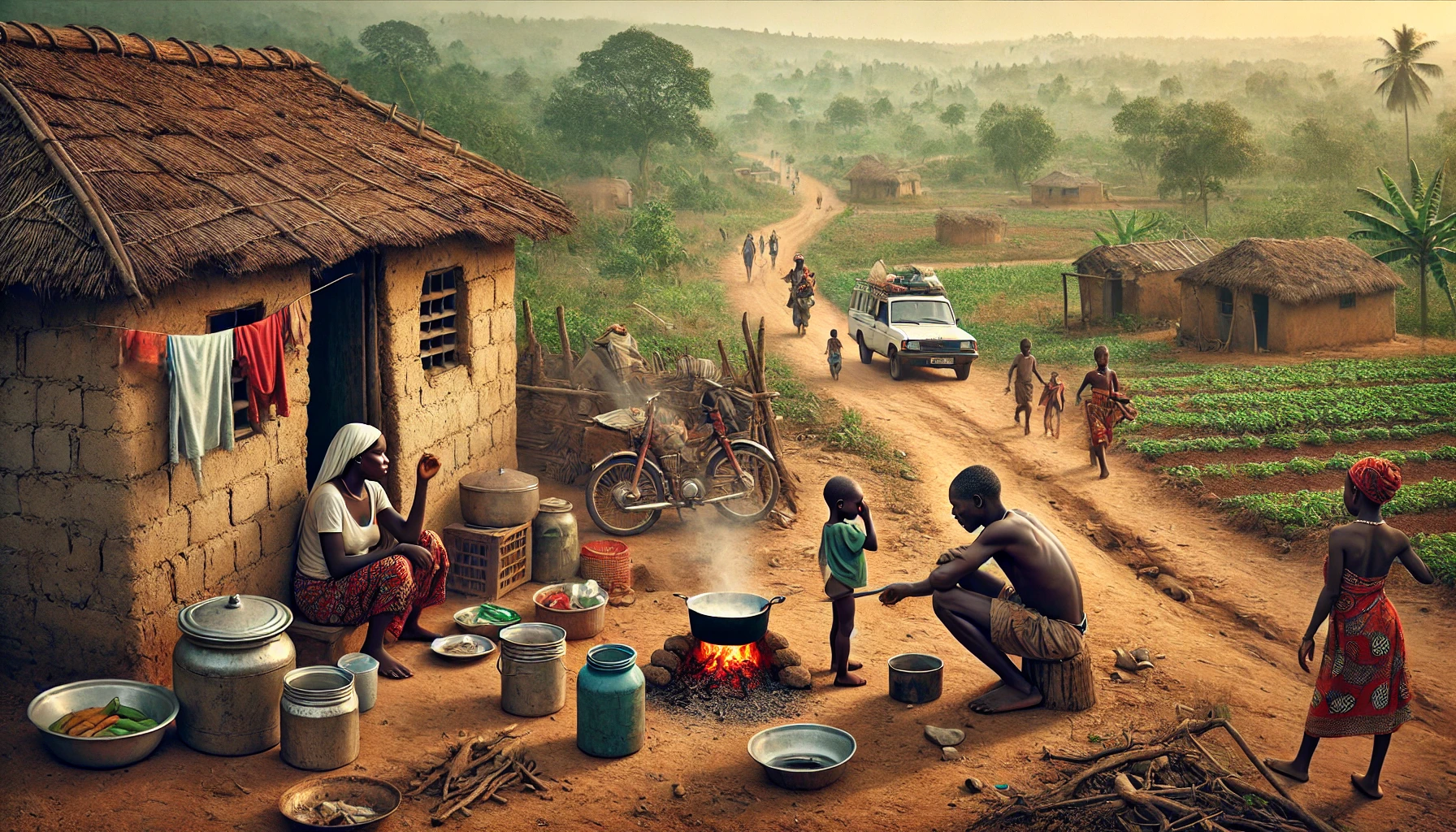
A new global report has warned that the world is not moving fast enough to achieve universal access to affordable, reliable and sustainable energy by 2030, despite continued growth in renewable energy and improvements in energy efficiency.
The latest Tracking SDG 7: The Energy Progress Report, which includes data from 2023 and 2024, reveals that 655 million people still live without electricity, while around two billion people continue to rely on polluting fuels and outdated cooking technologies that threaten their health and quality of life. The report says Sub-Saharan Africa remains the region facing the biggest challenge, with more than 560 million people lacking electricity and 970 million still without access to clean cooking solutions.
The findings show that many regions are approaching universal energy access, but progress in Sub-Saharan Africa has slowed considerably, making it unlikely that the global target will be reached unless investment and policy efforts increase sharply.
Renewable energy grows but financing remains a major challenge
The report highlights several positive developments, including renewable energy supplying more than 30 per cent of global electricity and global renewable energy generation capacity reaching a record level. International public financing for clean energy in developing countries also increased slightly to US$24.6 billion during 2024, while energy efficiency continued to improve, although not at the pace required to meet Sustainable Development Goal 7.
Researchers said affordability continues to prevent millions of households from gaining electricity access even where infrastructure exists. High connection costs, expensive household wiring and limited financing options remain major barriers, particularly in low-income communities.
The report also notes that financial support for the world's poorest countries is moving in the wrong direction. International clean energy funding for the least developed countries fell by 11 per cent to US$3.7 billion in 2024, limiting progress in places where investment is needed most.
Experts call for stronger action before 2030 deadline
The report urges governments to strengthen political leadership, improve coordination across sectors and expand investment in renewable energy technologies such as off-grid solar systems, mini-grids, electric cooking, bioethanol and biogas. These solutions are already helping millions gain access to modern energy while improving energy security and reducing dependence on fossil fuels.
International energy leaders said the transition to clean energy delivers benefits that extend beyond electricity generation. Greater access to modern energy improves public health, creates economic opportunities, strengthens energy security and builds resilience against future supply disruptions. The report will be presented to global policymakers on 8 July 2026 during the High-Level Political Forum on Sustainable Development in New York, where progress on Sustainable Development Goal 7 will be reviewed and future priorities discussed.
ALSO READ
-
Clean Energy’s $2 Trillion Funding Challenge Puts People and Nature in the Spotlight
-
EIB Backs Romania’s 1.3 GW Dama Solar Plant With €100m for Energy Growth
-
Naftogaz Sets Out Cleaner Energy Future With EIB Support and 2050 Net Zero Target
-
Benin Secures €500 Million Financing to Expand Public Services and Create More Jobs
-
Europe’s Rare Earth Wake-Up Call: Turning Years of Research Into Factories That Last


 Google News