

SA Ends Load Shedding as Energy Reforms Deliver Results
“The structural reforms are paying off. We have liberalised the energy market, and we no longer depend solely on Eskom,” Masondo said.
- Country:
- South Africa
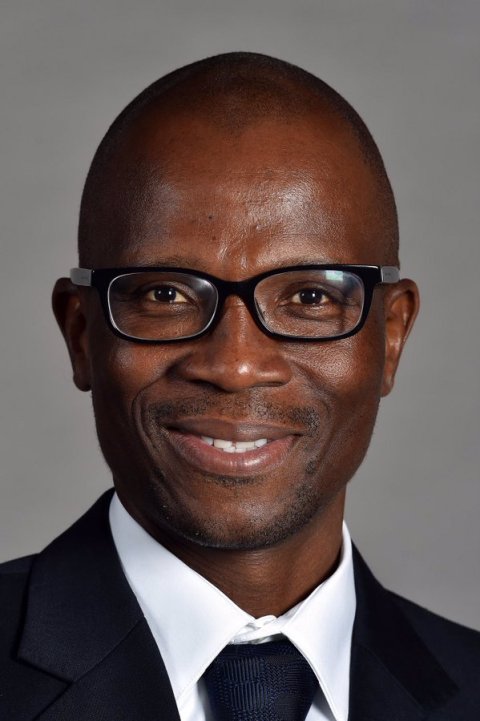
South Africa's sweeping structural reforms in the energy sector are beginning to yield tangible results, with the country currently experiencing no load shedding, Deputy Finance Minister Dr. David Masondo announced, marking a major milestone in stabilising the nation's power supply.
Speaking at the launch of Phase III of the Towards Inclusive Economic Development (SA-TIED) programme, Masondo highlighted how reforms have liberalised the energy market, reduced dependence on Eskom, and unlocked critical investments in infrastructure.
Energy Sector Turnaround: From Crisis to Stability
South Africa's energy reforms, driven under Operation Vulindlela, have fundamentally reshaped the electricity landscape:
-
Reduced reliance on Eskom, allowing diversified electricity generation
-
Resolution of Eskom's massive ₹420 billion (R420 billion) debt, improving financial stability
-
Increased investment in maintenance and repair of aging power infrastructure
"The structural reforms are paying off. We have liberalised the energy market, and we no longer depend solely on Eskom," Masondo said.
The improved financial and operational health of Eskom has enabled restoration of generation capacity, directly contributing to the current absence of power cuts.
Next Phase: Diversifying Energy Mix
While acknowledging progress, the government is now focusing on long-term energy security by:
-
Scaling up renewable energy investments
-
Expanding gas-based power generation
-
Reducing vulnerability to global supply shocks and disruptions
Masondo stressed that continued reform is essential to ensure resilience amid global economic uncertainty and energy volatility.
SA-TIED Phase III Launched Amid Global Uncertainty
The announcement coincided with the launch of SA-TIED Phase III (2026–2029), a flagship programme aimed at strengthening evidence-based policymaking in South Africa.
Describing the timing as critical, Masondo noted that:
-
Global economic conditions remain uncertain and volatile
-
Policymaking must be guided by data, research, and measurable outcomes
"Better evidence enables better prioritisation, more efficient resource allocation, and ensures reforms deliver results," he said.
Key Focus Areas of Phase III
The new phase will expand research and policy support across several critical domains:
-
Public revenue mobilisation, poverty, inequality, and labour markets
-
Macro-fiscal analysis and economic strategy
-
Climate challenges, including food, energy, and water systems
A new emphasis on public expenditure efficiency has also been introduced, reflecting tighter fiscal conditions.
"As fiscal space becomes constrained, the focus must shift from how much we spend to how effectively we spend," Masondo emphasised.
Three Pillars of Reform Strategy
Phase III will be anchored around three core priorities:
-
Deepening evidence-based policymaking
-
Strengthening links between research and implementation
-
-
Expanding data infrastructure
-
Improving access to administrative datasets
-
Ensuring long-term sustainability of data systems
-
-
Building state capability
-
Training and skills development within government
-
Integrating research into decision-making processes
-
Global Partnerships Strengthen Policy Ecosystem
The SA-TIED programme continues to benefit from strong international collaboration:
-
UNU-WIDER (UN University's research institute) provides global expertise and methodological rigor
-
Financial and institutional support from the European Union and the United Kingdom
-
Close coordination between government, academia, and development partners
Masondo highlighted that such partnerships are critical in building long-term institutional capacity and embedding evidence into governance systems.
Towards Inclusive Growth and Resilient Governance
The reforms signal a broader shift in South Africa's economic strategy—combining infrastructure reform, fiscal discipline, and knowledge-driven policymaking.
"Better policy leads to better outcomes for our people," Masondo said, reaffirming the government's commitment to inclusive growth and sustainable development.
With energy stability improving and a renewed focus on data-driven governance, South Africa is positioning itself to navigate global uncertainties while advancing structural transformation.


 Google News