

Missile Tensions Rise as Saudi Arabia and Houthis Exchange Blows
Saudi Arabia intercepted two ballistic missiles from Yemen targeting oil refineries, as tensions with the Iran-aligned Houthis heighten. The Saudi-led coalition responded with strikes on Houthi military sites, risking further escalation. This conflict threatens key oil installations and revives hostilities amidst a fragile truce between both factions.
- Country:
- Saudi Arabia
Saudi Arabia's air defense systems intercepted two ballistic missiles from Yemen on Saturday, targeting oil refineries in Yanbu, according to Greek security sources cited by Reuters. This marks a new escalation in the Iran war, as hostilities between Saudi Arabia and the Iran-aligned Houthi rebels intensify.
Late Friday, the Saudi-led coalition in Yemen struck Houthi military sites in Hodeidah, accusing the group of attacking Saudi shipping lines. Houthi leader Abdul Malik al-Houthi had previously stated that Saudi oil facilities would be targeted if Riyadh escalated its conflict involvement.
Saudi emergency services warned residents in Yanbu and Jizan, where an oil refinery is located, releasing a further alert on social media. Though official damage reports were not immediately available, social media videos showed smoke near the Jizan refinery.
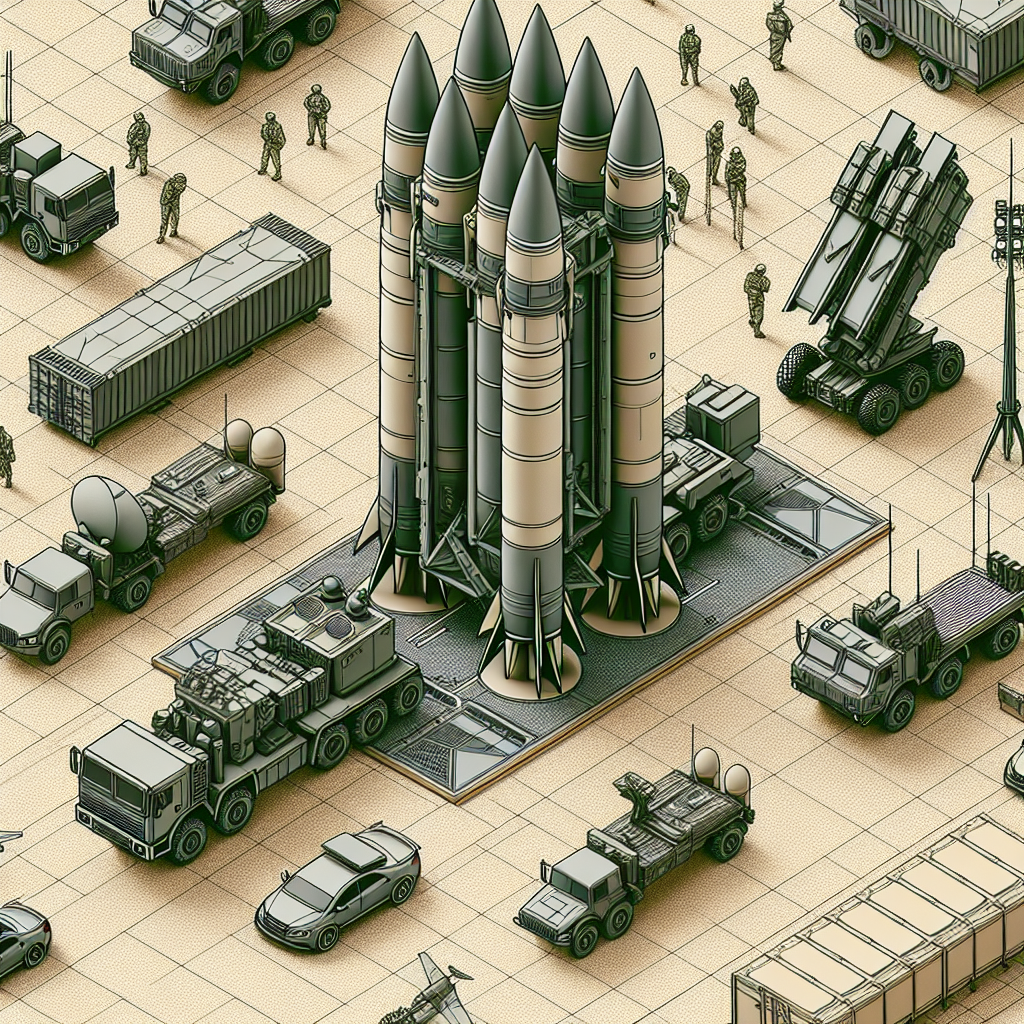
Military sources report that Greece-operated defense systems intercepted the Saturday missiles. Greece has stationed a U.S.-made Patriot battery in Saudi Arabia since 2021, under a security agreement. In response to the rising tensions, Saudi Arabia has vowed to protect its maritime interests and warned of uncompromising retaliation if hostilities persist.
The Houthi naval blockade poses a significant threat to oil shipments, skirting Iran's Strait of Hormuz blockade. Both sides accuse the other of provocations, while recent missile attacks signal the deterioration of a 2022 ceasefire agreement that once halted the seven-year conflict.
In the escalating back-and-forth, each faction holds the other accountable for renewed hostilities, with wider implications for the region's stability and global oil supply security.


 Google News