

Navigating the Gulf: UAE's Strategic Shift Amidst US-Iran Tensions
The UAE is diversifying its export and trade routes to avoid dependence on the volatile Strait of Hormuz, impacted by the US-Iran conflict. This move reflects a broader strategy among Gulf states to enhance self-reliance, reduce dependency on US alliances, and secure long-term regional stability.
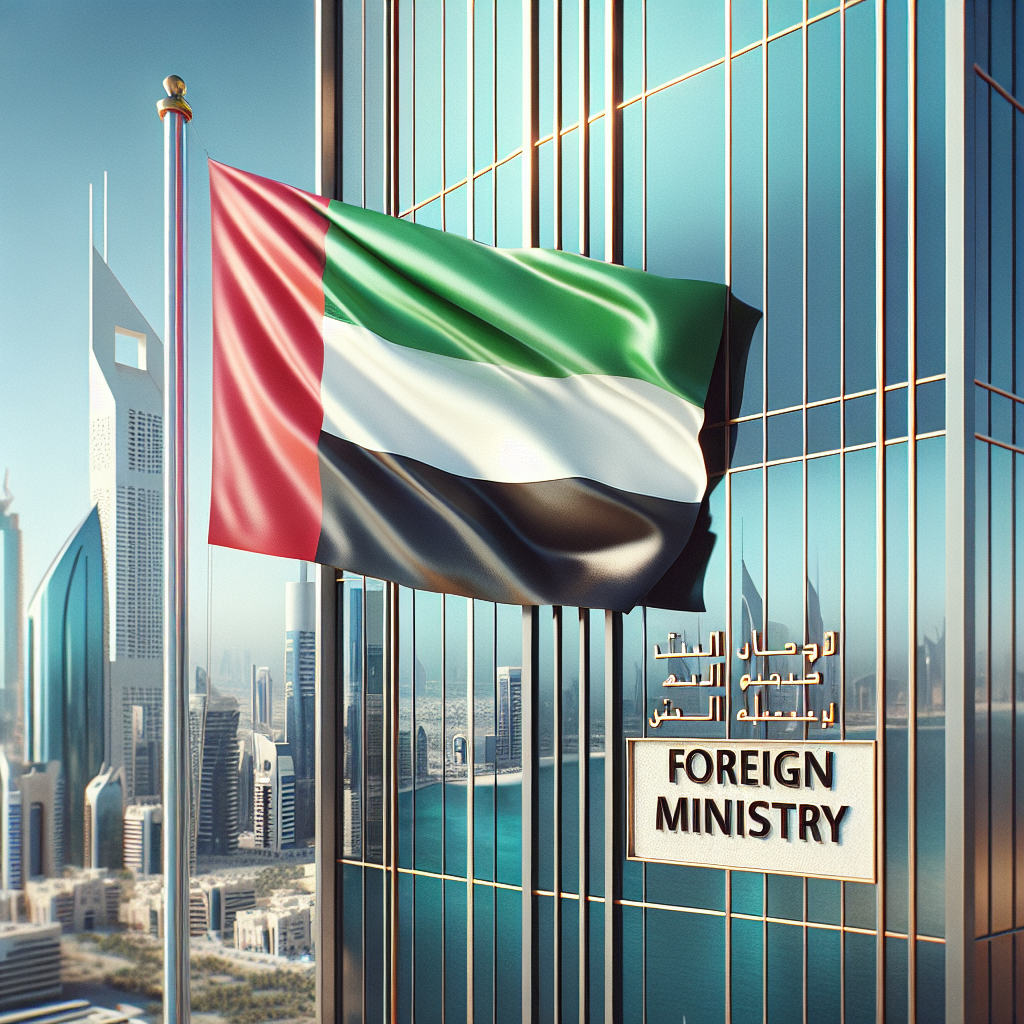
The United Arab Emirates is taking decisive steps to ensure its energy exports and trade aren't vulnerable to the escalating US-Iran conflict, according to UAE presidential adviser Anwar Gargash. Speaking at the Hili Forum, Gargash highlighted the UAE's expansion of its port capacity, pipeline development, and pursuit of new trade corridors.
The tensions have notably strained Gulf Arab states, with Iran targeting UAE territories and vessels. While Gargash remains optimistic about future relations with Iran, he acknowledges the difficulties in restoring trust after such hostilities.
Voices from the region, including Qatar's foreign ministry, emphasize the need for Gulf states to develop independent security capabilities. This strategic pivot comes amidst ongoing negotiations over the critical Strait of Hormuz, a chokepoint for global energy supplies.
ALSO READ
-
UAE Sets Four National Commitments to Advance Evidence-Based Integrative Medicine
-
IAEA Finds UAE Kept Barakah Reactor Safe After Drone Strike Cut Off External Power
-
African Development Bank Steps Up Push to Deliver Roads, Airport and Services in CAR
-
ADB’s Five-Year Plan Backs Better Services and More Jobs Across Papua New Guinea


 Google News