

UN Urges Immediate Help for Thousands of Stranded Seafarers
The appeal comes as attacks on civilian vessels continue, leaving crews exposed to growing humanitarian and human rights risks in one of the world's most critical shipping routes.
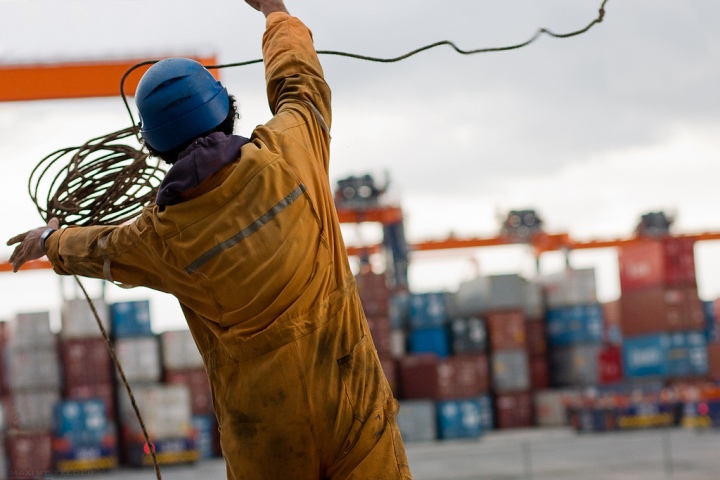
The United Nations High Commissioner for Human Rights, Volker Türk, has called for urgent international action to protect thousands of seafarers stranded in and around the Strait of Hormuz, warning that many are trapped in life-threatening conditions without basic necessities or a safe way to return home. The appeal comes as attacks on civilian vessels continue, leaving crews exposed to growing humanitarian and human rights risks in one of the world's most critical shipping routes.
Thousands remain trapped in dangerous waters
According to information from the International Maritime Organization, at least 6,000 seafarers aboard around 400 vessels remain stranded in and around the Strait of Hormuz after being unable to evacuate during the ceasefire. The actual number could be significantly higher, as many crew members on smaller vessels remain unaccounted for across the Persian Gulf.
The UN Human Rights Office has also received reports that some shipowners have abandoned their crews, leaving them without assistance, repatriation or even unpaid wages. At least nine ships carrying 93 crew members have reportedly been abandoned at Iranian ports in the Strait since the conflict began.
Crews face worsening humanitarian conditions
Many stranded seafarers have been left aboard their vessels without adequate food, drinking water, fuel, electricity, medical care or reliable communication with their families. Extended isolation inside an active conflict zone has created serious concerns about both their physical health and mental well-being.
The continuing violence has made their situation even more dangerous. The UN says attacks on civilian vessels have claimed the lives of 17 seafarers since the conflict began, including two Indian nationals killed in recent weeks and three crew members who died in an attack on an oil tanker near the Strait.
UN calls for safe passage and protection
Volker Türk urged governments, shipowners and all relevant organisations to act immediately to protect stranded seafarers by providing consular assistance, humanitarian supplies and medical support while arranging safe evacuations and repatriations.
He also called on all parties involved in the conflict to facilitate secure passage for civilian vessels and ensure essential supplies can reach those still trapped at sea. The UN stressed that attacks on civilian ships are prohibited under international humanitarian law and must stop.
Wider concerns over global maritime safety
The High Commissioner also raised concerns about attacks on civilian merchant vessels in the Black Sea and the Sea of Azov. The UN Human Rights Office has verified at least four attacks on civilian vessels in Ukraine's Odesa region this month, resulting in 34 workers being killed or injured. Reports also indicate another fatal attack on a vessel in the Sea of Azov.
The UN reiterated that seafarers should never be forced to sail through conflict zones or face penalties for refusing dangerous assignments. It called on governments and shipowners to uphold workers' rights, including continued payment of wages, safe working conditions and protection of their lives, health and dignity in line with international human rights standards and the 2024 Manila Declaration.


 Google News