

Refugee Convention Marks 75 Years as Global Crises Test Protection System
Adopted in the aftermath of the Second World War, the Refugee Convention established the legal framework for protecting people forced to flee persecution, conflict and violence.
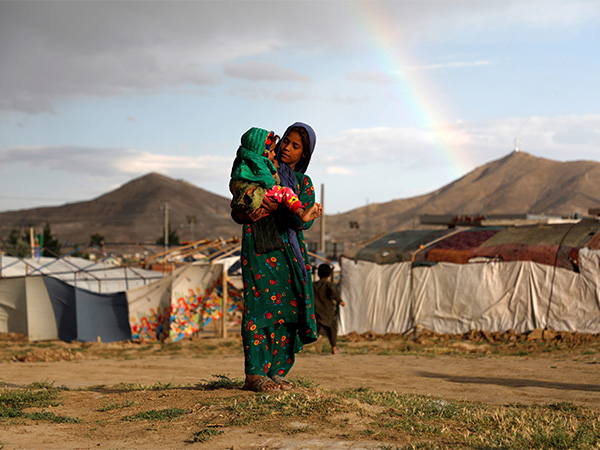
- Country:
- Afghanistan
Seventy-five years after the 1951 Refugee Convention was opened for signature, the landmark international treaty continues to serve as the foundation of refugee protection worldwide. As conflicts, persecution and violence force millions from their homes, the United Nations Refugee Agency (UNHCR) is calling for renewed global commitment to the principles of asylum, international cooperation and shared responsibility.
A treaty that continues to protect millions
Adopted in the aftermath of the Second World War, the Refugee Convention established the legal framework for protecting people forced to flee persecution, conflict and violence. Together with its 1967 Protocol, it defines who qualifies as a refugee, outlines their rights and sets out the responsibilities of states that provide protection.
Today, 149 countries are party to the Convention, the Protocol or both, making it one of the world's most widely supported international legal agreements. At the heart of the Convention is the principle of non-refoulement, which prohibits returning individuals to countries where they face persecution, torture or other serious harm. UNHCR notes that this principle is now recognised under customary international law and applies to all states, regardless of whether they have formally joined the Convention.
Responding to changing global challenges
Over the past 75 years, the Convention has helped protect refugees fleeing crises ranging from post-war Europe and African liberation struggles to conflicts in Afghanistan, Syria, Ukraine and Sudan.
UNHCR says the treaty has remained relevant by adapting to evolving humanitarian challenges. Through court rulings, state practice and international guidance, refugee protection has expanded to address issues including gender-based persecution, forced recruitment and situations where climate-related impacts combine with conflict or persecution. The agency argues that the Convention remains flexible enough to respond to modern displacement while continuing to provide a clear legal framework for refugee protection.
Growing pressure on the asylum system
The global refugee system is facing unprecedented strain. According to the International Committee of the Red Cross, more than 130 armed conflicts were recorded worldwide in 2025, leaving approximately 41.6 million refugees displaced across the globe.
Nearly 70 percent of refugees are hosted by low- and middle-income countries, many of which face their own economic and development challenges. Around seven in ten refugees remain displaced for five years or longer, increasing pressure on host communities and humanitarian agencies.
UNHCR also expressed concern about practices such as pushbacks, denial of access to asylum procedures and forced returns, warning that border management must continue to respect international protection obligations.
Renewing global commitment
Funding shortages have added to the challenge, with UNHCR reporting that it had received only 31 percent of its required funding by the end of June 2026, limiting its ability to deliver essential services to refugees and other vulnerable populations.
To mark the Convention's 75th anniversary, UNHCR is launching a series of local, regional and global dialogues involving governments, refugees, civil society and private sector partners. The discussions will focus on strengthening refugee protection, improving international cooperation and identifying practical solutions that keep asylum accessible for people forced to flee.
UNHCR says the anniversary is not only a moment to reflect on the Convention's legacy but also an opportunity for the international community to reaffirm its commitment to protecting those seeking safety in an increasingly uncertain world.
ALSO READ
-
Myanmar Market Airstrikes Kill at Least 50 as UN Urges Malaysia to Halt Deportations
-
Refugee Protection Nears Breaking Point: UN Funding Cuts Put 8.3 Million Lives at Risk
-
Sudanese Families Flee to Chad as Violence Surges and Refugee Support Falls Behind
-
Refugees and Host Communities in Ethiopia at Heart of New ILO and UNHCR Work Pact
-
Yemen Violence Displaces 130,000 as Shelters Fill and Aid Funding Runs Short


 Google News