

BOJ Under Pressure: Yen Weakness and Potential Rate Hikes Loom
Donald Trump's U.S. election victory boosts the dollar, pressuring the Bank of Japan (BOJ) to consider interest rate hikes. Weak yen raises Japan's import costs, worrying policymakers. A drop to 162 yen per dollar could prompt BOJ action, despite Prime Minister Ishiba's cautious stance on rate increases.
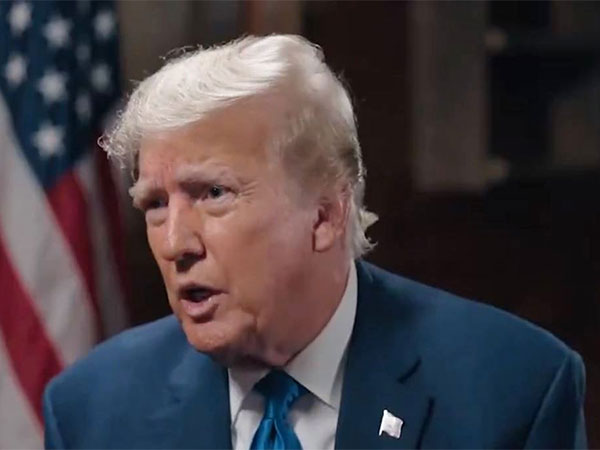
The unexpected victory of Republican Donald Trump in the U.S. presidential election has sparked a rally in the U.S. dollar, leading to increased pressure on the Bank of Japan (BOJ) to raise interest rates, potentially as soon as December. Experts link the dollar's surge to economic optimism triggered by expectations of tax cuts and tariffs.
The yen, reacting to the dollar's strength, hit a three-month low on Thursday, exacerbating issues for Japan as a weaker yen inflates costs of fuel and food imports. These rising costs are stressing consumer expenses, an issue of concern for Japanese policymakers.
Amidst a complex economic landscape, including recent voter dissent against Japan's ruling coalition, BOJ's actions are closely tied to currency moves. Analysts are divided on the timing of potential rate hikes, but continued yen declines may force BOJ's hand sooner than expected, possibly in December.


 Google News