

Tariffs and Tensions: The New Delhi-Beijing-Moscow Axis
US tariffs on India's Russian oil purchases have strained relations, pushing India closer to the Beijing-Moscow axis. This, according to former White House official John Bolton, is a strategic oversight. The tariffs, yet to be enforced, could have negative repercussions for US-India ties as diplomatic engagements with Russia and China progress.
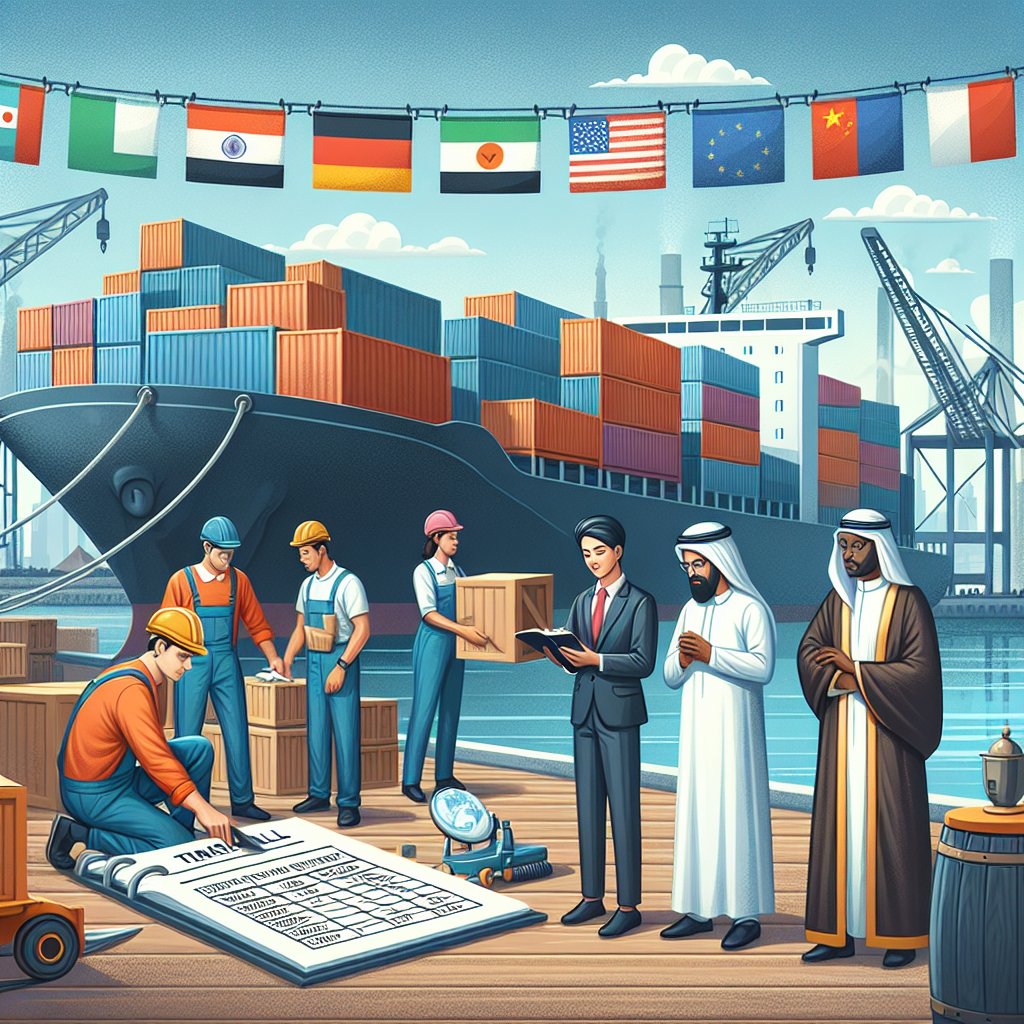
The imposition of US tariffs on Indian purchases of Russian oil has emerged as a point of contention, potentially realigning geopolitical alliances. Former national security adviser John Bolton has critiqued this move as a strategic misstep by Washington.
Bolton argued that these tariffs, aimed at India and not China, could inadvertently push New Delhi closer to Moscow and Beijing. This development comes at a pivotal moment as global diplomatic landscapes shift ahead of significant international summits.
With India's Prime Minister Narendra Modi poised for engagements in China and hosting Russian President Vladimir Putin later in the year, the repercussions of this tariff policy could have profound implications on US-India relations, according to experts.
ALSO READ
-
Japanese Lawmakers Visit India to See Worker Protection and Skills Projects in Action
-
Indian Unions Push for Fair Recruitment and Rights for Care Workers in Germany
-
Cleaner Kitchens, Polluted Skies: Hidden Health Cost of India’s Electricity Boom
-
Japan-Backed ILO Projects Help 23,000 Workers Gain Rights and Fight Child Labour
-
EU Firms Rethink Supply Chains as Geopolitical Risks Reshape Global Trade


 Google News