

Diplomatic Breakthrough: Lukashenko Frees Prisoners as U.S. Lifts Potash Sanctions
In a significant diplomatic development, Belarusian President Lukashenko released 123 prisoners, including Nobel laureate Ales Bialiatski, after talks with a U.S. envoy. In exchange, the U.S. lifted sanctions on Belarusian potash, an important economic component. The release was seen as an effort to distance Lukashenko from Russian influence.
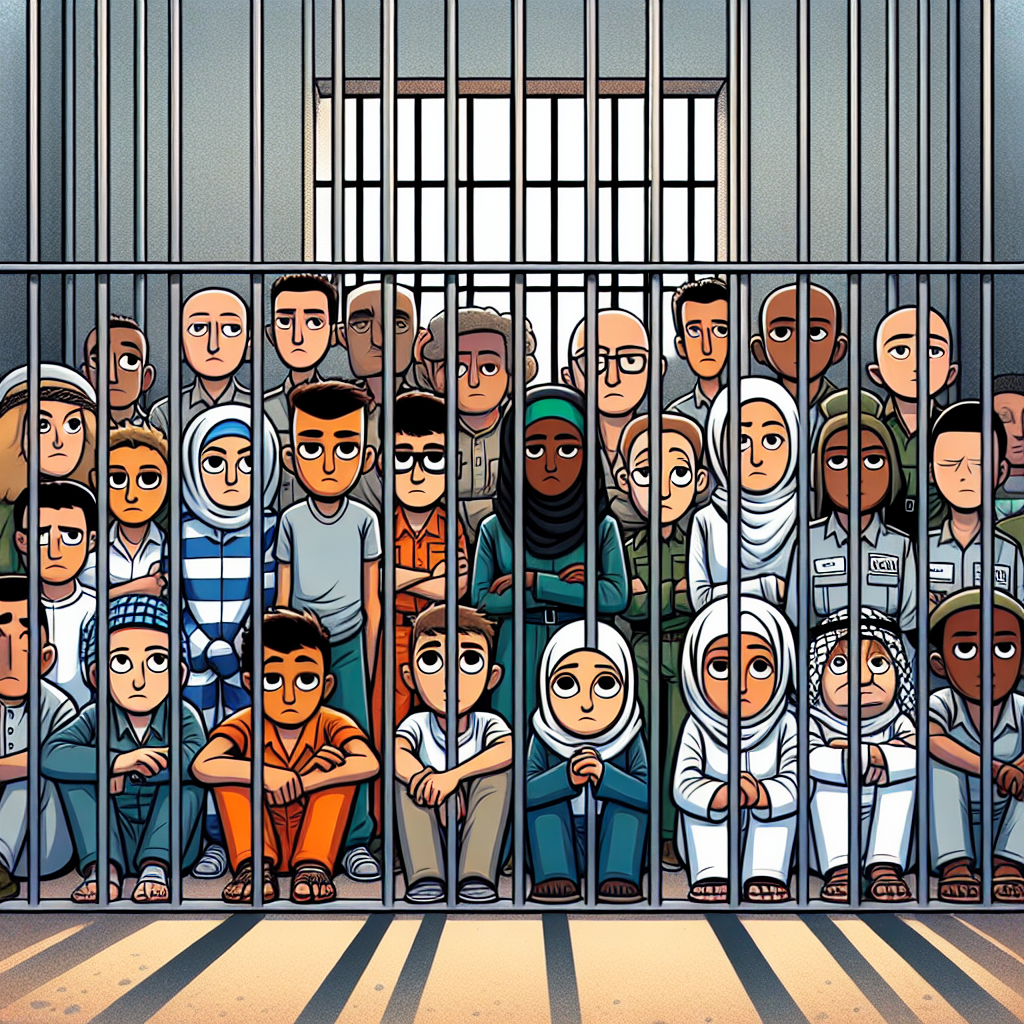
In a remarkable turn of events, Belarusian President Alexander Lukashenko has released 123 prisoners after negotiations with a U.S. envoy representing President Donald Trump, according to a U.S. statement. Among those freed were Nobel Peace Prize laureate Ales Bialiatski and prominent opposition figure Maria Kalesnikava.
The move marks the largest prisoner release under Lukashenko's rule since dialogue began with the Trump administration, which aims to shift Belarus away from the influence of Russian President Vladimir Putin. In return for the release, the United States has agreed to lift sanctions on Belarusian potash, a key component in the country's fertilizer industry.
Exiled opposition leader Sviatlana Tsikhanouskaya expressed cautious optimism, regarding Trump's outreach as a humanitarian gesture. The easing of potash sanctions is expected to provide a boost to the Belarusian economy, as it deals with ongoing international tensions and EU sanctions that remain in place.


 Google News