

Turning the Tide: The Vital Role of Vultures in African Ecosystems
Vultures, often misunderstood and disliked, play a crucial role in African ecosystems. Conservationists are highlighting their $1.8 billion annual value through scavenging services. With several species endangered, the focus is on changing perceptions and preserving these vital creatures against threats like poisoning and beliefs-based killings.
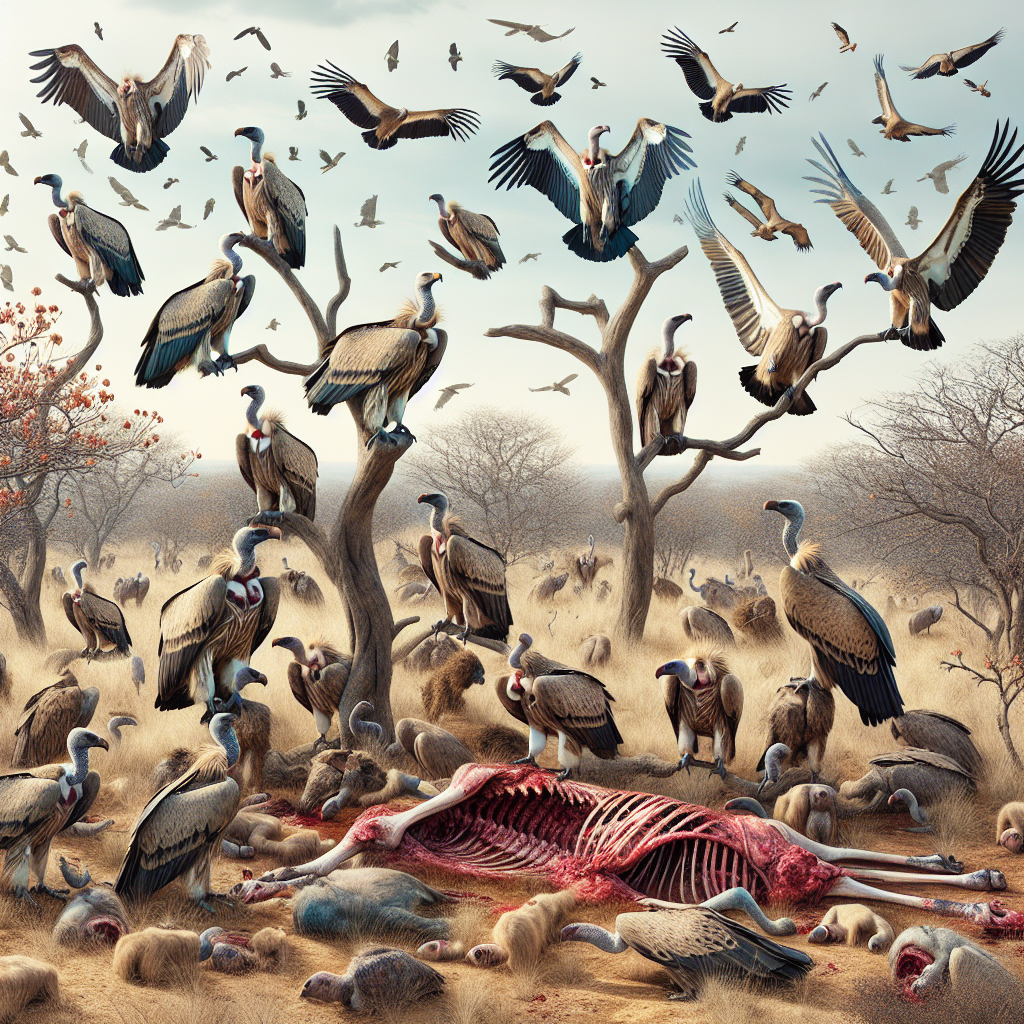
Vultures, widely perceived as unsightly harbingers of death, are being re-evaluated for their significant ecological contributions, particularly in Africa. Conservationists are working to highlight their immense value, estimated at $1.8 billion annually, in maintaining ecological balance. These efficient scavengers help in reducing disease spread, pest populations, and even aid anti-poaching efforts.
In a recent study by BirdLife International, particular attention was given to vultures' role in ecosystems in Botswana, Zambia, and Zimbabwe. These birds swiftly clean carrion, mitigating disease spread and limiting pests such as rats. Their remarkable stomach acidity allows them to neutralize dangerous toxins like anthrax, posing minimal environmental threats.
Despite their importance, vultures face dire threats, including intentional poisoning and powerline collisions. Myths surrounding their abilities have led to further persecution. Conservationists aim to change perceptions, especially given vultures' crucial contributions to nature's sanitation and anti-poaching roles.


 Google News