

Unveiling the Precarious Terrain: Darjeeling's Looming Landslide Threat
The Geological Survey of India issued a high-risk landslide warning for Darjeeling just hours before intense rainfall triggered devastating landslides. Experts assert that the region's vulnerability is due to heavy monsoon rains, saturated soils, and human interference, which continue to pose significant risks to the Himalayan terrain.
- Country:
- India
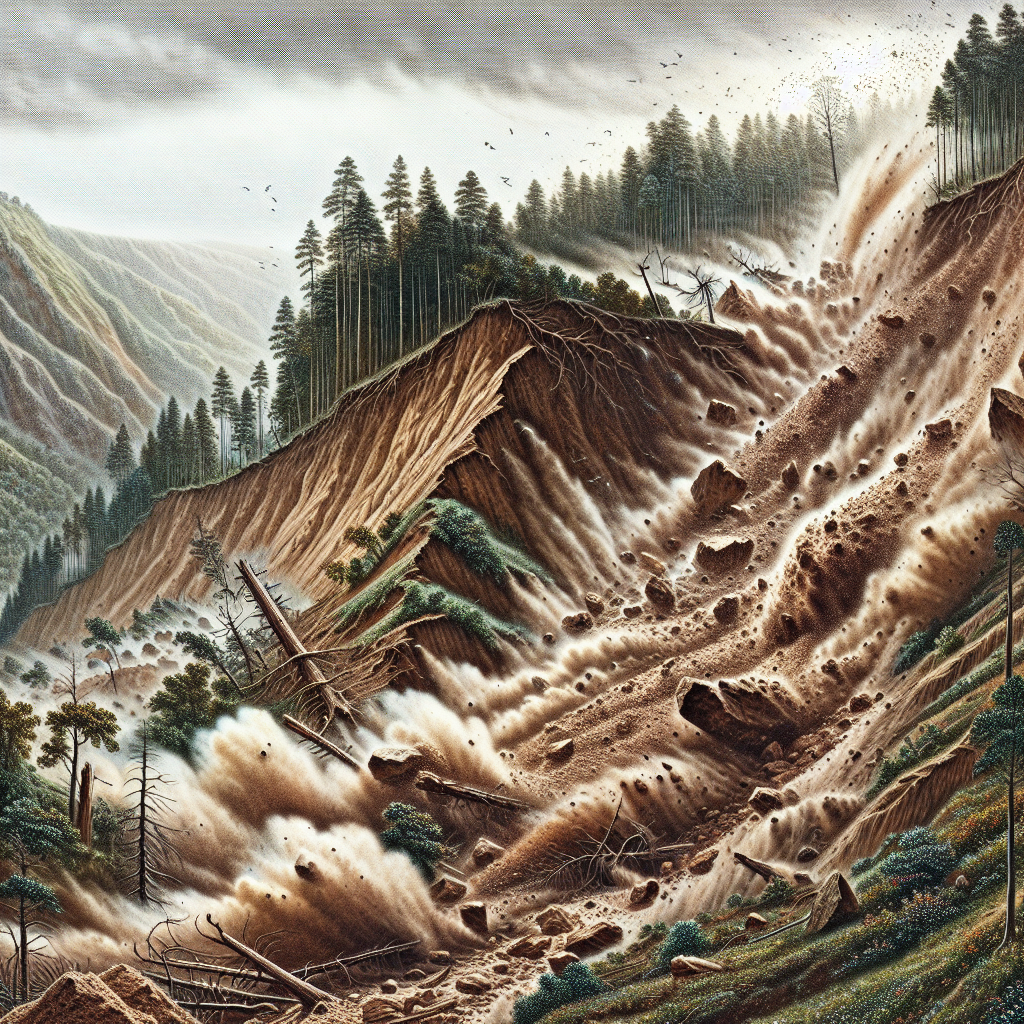
The Geological Survey of India (GSI) issued a high-risk landslide warning for Darjeeling just hours before the region was struck by intense rainfall, which triggered destructive landslides. On October 4, the GSI released an orange-level alert at 2:15 pm, predating the downpour that destabilized the Himalayan terrain.
Dr. Saibal Ghosh, the Deputy Director General of GSI, emphasized the combination of significant rainfall, existing risk conditions, and saturated slopes as factors leading to the disaster. The GSI provides daily alerts during the monsoon to several districts, which are accessible to the public via its 'Bhusanket' web portal and 'Bhooskhalan' mobile app.
Experts attribute the October disaster to the region's condition post-monsoon, explaining that any additional rainfall can trigger landslides due to already saturated soils. Historical data shows similar catastrophic events, underscoring the necessity for strict regulations to mitigate human interference and future risks.


 Google News