

Acidic Oceans: The Emerging Threat to Shark Teeth
A study by German scientists reveals that ocean acidification, driven by human activities, could weaken sharks' teeth, threatening their dominance as top predators. As oceans absorb more carbon dioxide, changes in water chemistry may put additional pressure on shark populations, already endangered by other environmental threats.
- Country:
- United States
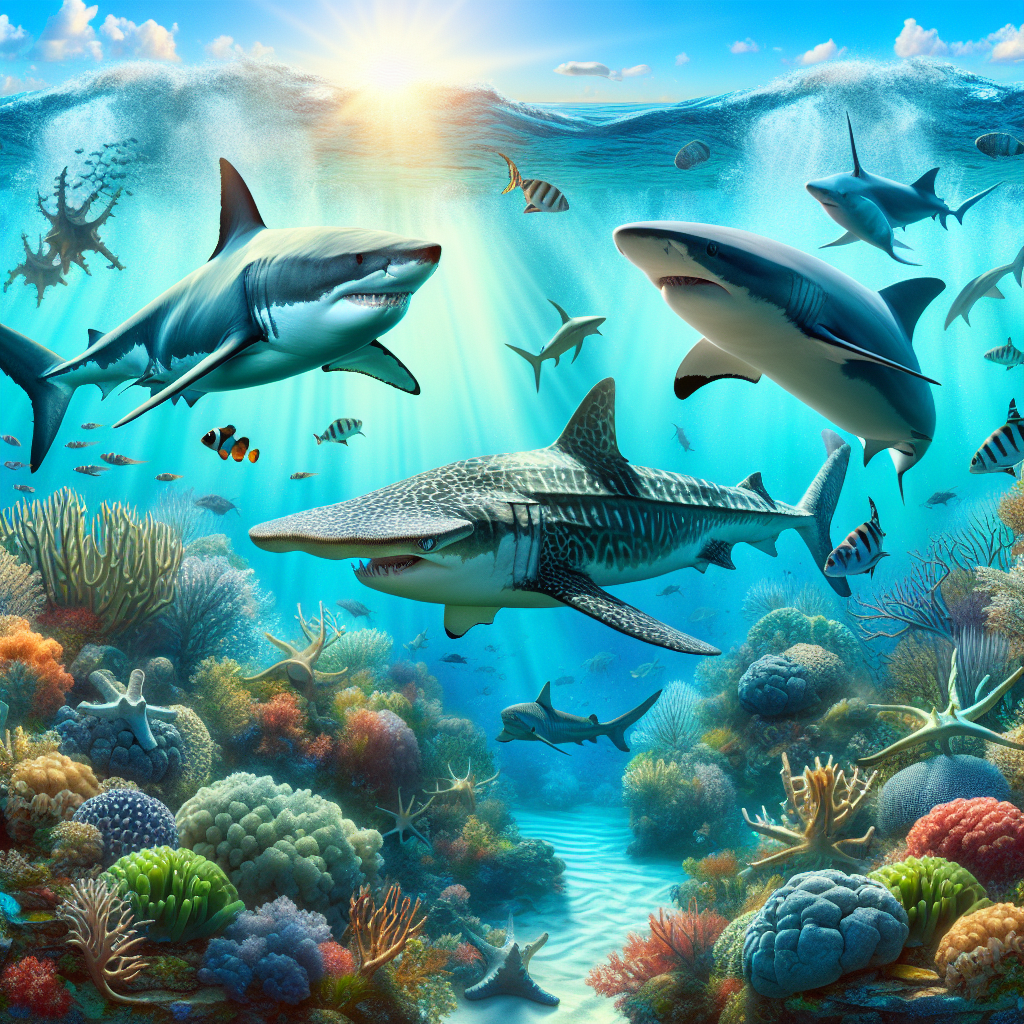
A recent study by German scientists highlights a looming threat to sharks, the ocean's apex predators, as acidification from human-induced activities jeopardizes the strength of their teeth. This development adds to the growing challenges sharks face, including overfishing and climate change.
The research, published in Frontiers in Marine Science, involved exposing blacktip reef shark teeth to varying acidity levels. Results indicated significant structural damage to teeth in more acidic conditions, potentially compromising sharks' ability to maintain their top predator status.
While sharks have historically adapted to changes, the study, led by Maximilian Baum from Heinrich Heine University Düsseldorf, emphasizes the urgent need to address ocean acidification, not only for sharks but for marine ecosystems globally.


 Google News