

Unveiling Ancient Secrets: Discoveries in Dinosaurs, Bonobos, and Roman Medicine
Recent scientific revelations include the identification of a new giant dinosaur species in Brazil, a study challenging the peaceful image of bonobos, the discovery of a large shinbone in New Mexico linked to T. rex, and evidence from Turkey suggesting Romans used human excrement for medicinal purposes.
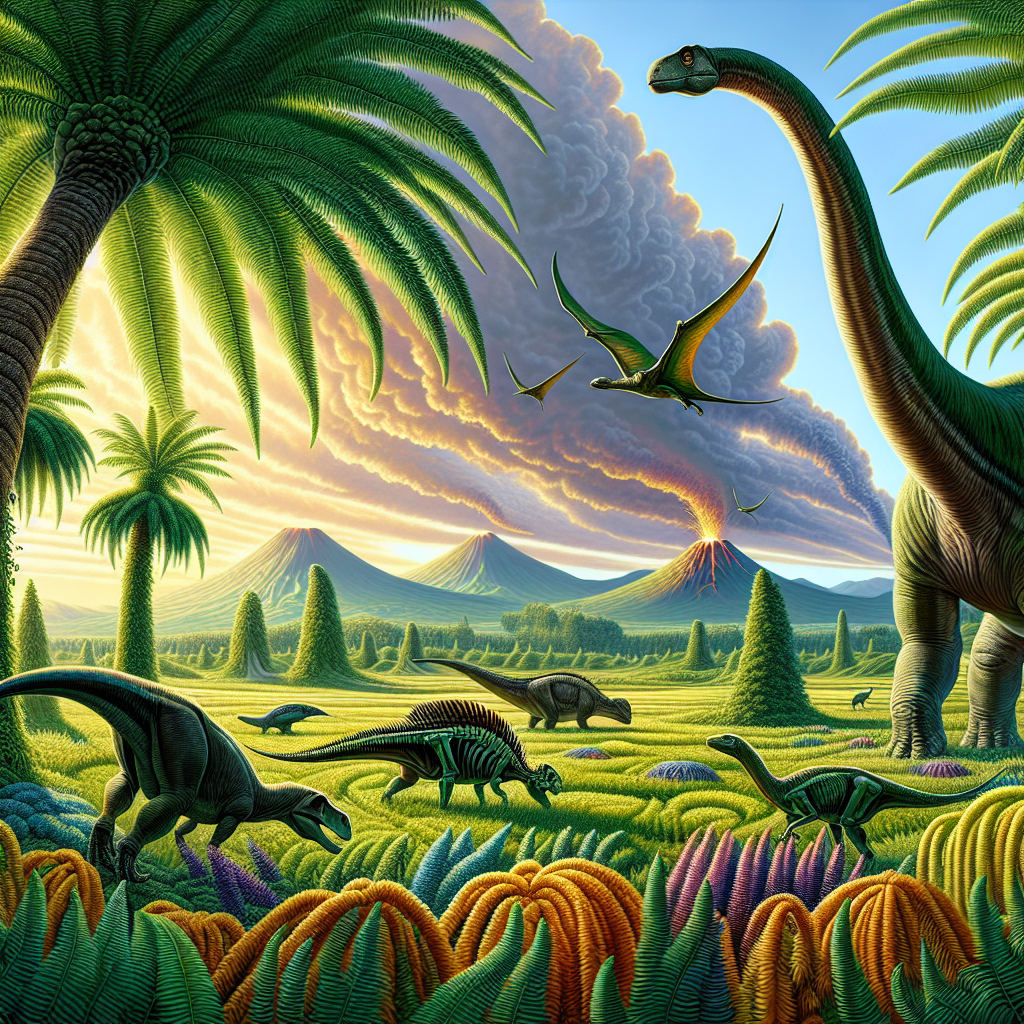
In a groundbreaking revelation, Brazilian scientists have identified a new species of giant dinosaur named Dasosaurus tocantinensis. This discovery reinforces connections between prehistoric land routes of South America, Africa, and Europe as described this month in the Journal of Systematic Palaeontology.
A newly released study challenges the long-held perception of bonobos as the gentle counterparts to chimpanzees. The research, conducted across 16 European zoos, reveals no significant difference in the rate of aggressive behaviors between the two species.
In New Mexico, a large shinbone unearthed in the 1970s has been identified as belonging to a relative of Tyrannosaurus rex. This discovery suggests it may predate and even be a direct ancestor of the famous predator. Additionally, archaeologists in Turkey have found traces of human excrement in an ancient glass vial, providing physical evidence of Roman medicinal practices previously only known through texts.


 Google News