

UNESCO Adds 14 New Biosphere Reserves Across the Globe
This year's announcement marks several important milestones. Montenegro, Timor-Leste and Aruba have received their first-ever biosphere reserves.
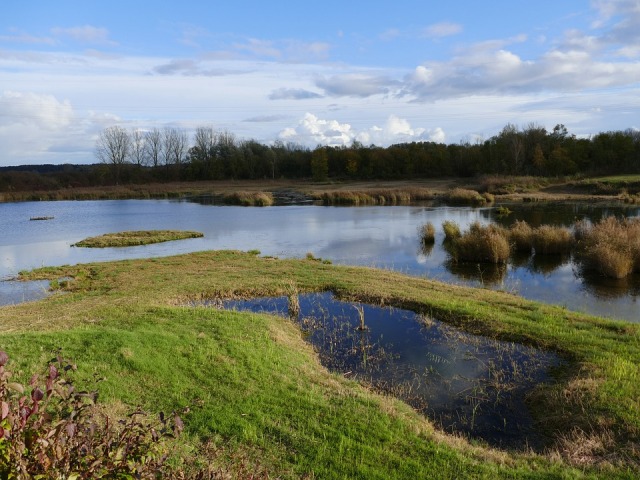
UNESCO has designated 14 new biosphere reserves across 14 countries to mark World Environment Day, expanding its World Network of Biosphere Reserves to 797 sites spread across 145 countries. The latest additions include sites in Albania, Algeria, Aruba, Azerbaijan, Cameroon, Canada, Iran, Mongolia, Montenegro, Paraguay, the Philippines, Portugal, Timor-Leste and Viet Nam. UNESCO also approved territorial extensions for five existing biosphere reserves located in China, Italy and Spain.
This year's announcement marks several important milestones. Montenegro, Timor-Leste and Aruba have received their first-ever biosphere reserves. Aruba has gone a step further, becoming only the second country in the world to have its entire territory designated as a biosphere reserve. Another historic achievement comes from Canada, where Québec City has become the first city ever to be designated as a biosphere reserve, highlighting a growing recognition that urban areas can also play an important role in balancing environmental protection with sustainable development.
Biosphere Reserves Showcase Balance Between Nature and Communities
Biosphere reserves are areas recognized by UNESCO for promoting a balanced relationship between people and nature. They serve as living laboratories where conservation, sustainable economic activities and scientific research work together to support both biodiversity and local communities.
According to UNESCO, the newly designated reserves demonstrate that environmental protection and human development can advance side by side. The sites represent diverse ecosystems and communities from every continent, reflecting different approaches to sustainable living and natural resource management. UNESCO Director-General Khaled El-Enany said the new designations show how communities around the world are finding practical ways to live in harmony with nature while responding to growing environmental challenges. He noted that biosphere reserves continue to play an important role in addressing climate change and biodiversity loss through research, innovation and local action.
The organization plans to continue working closely with governments, scientists and local communities to ensure these protected areas remain at the forefront of global environmental efforts.
UNESCO Launches Environmental Reporting Guide for Journalists
Alongside the biosphere reserve announcement, UNESCO and the Organization for Security and Co-operation in Europe (OSCE) have launched a new publication aimed at strengthening environmental journalism. The guide, titled Reporting the Environment: A Practical Manual for Journalists, has been developed at a time when misinformation and disinformation increasingly affect public understanding of environmental issues. UNESCO says accurate reporting on climate change, biodiversity loss and environmental degradation has become more important than ever.
UNESCO believes reliable environmental reporting is essential for informed public debate and effective action on global environmental challenges. By providing practical tools and professional guidance, the organization hopes to strengthen the ability of journalists to deliver accurate information on issues that affect communities worldwide.
The twin announcements on World Environment Day underline UNESCO's broader commitment to protecting nature while supporting informed public engagement on environmental issues through credible journalism and scientific cooperation.
ALSO READ
-
Tanzania’s Young Talent Takes Centre Stage as Skills Competition Opens New Doors
-
AI in Courts Could Open Doors to Justice or Leave Vulnerable People Further Behind
-
Pope Leo XIV Calls for Peace and Safer AI for Young People at UNESCO Visit
-
Sudan’s Heritage Gets Recovery Support as UNESCO Trains National Experts
-
Jamaica’s Cultural Power Takes Centre Stage as UNESCO Urges More Value for Creators


 Google News