

Turning Tides in Global Energy Markets: The Hormuz Impact
The temporary closure of the Strait of Hormuz has reinvigorated global energy strategies, reminiscent of the 1973 Arab oil embargo. Modern energy markets adapted through immediate measures, but the crisis prompts a reevaluation of long-term strategies, including boosts in renewable investments and considerations for energy security.
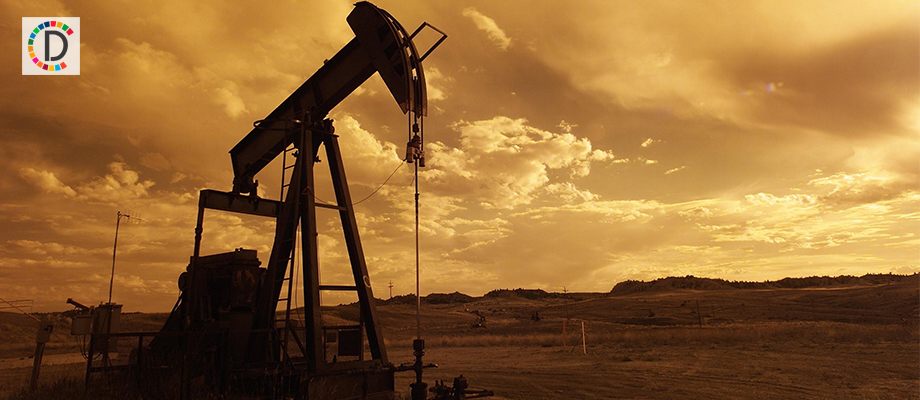
Oil and gas flows through the Strait of Hormuz have resumed, but the recent 100-day closure may have lasting repercussions on global energy dynamics. Just as the 1973 Arab oil embargo reshaped energy policies after disrupting supplies, this event tests the current energy system's resilience.
During the U.S.-Israeli conflict with Iran, the modern interconnected energy market adapted through shifts in supply and demand. However, predominantly affected regions, like Asia, could no longer afford to rely solely on Middle Eastern oil, reflecting on strategic changes needed for energy security.
The shock underscores the ongoing transition from fossil fuels, with increased investment in renewables and nuclear power. Regions like Europe and Asia are diversifying energy sources, while modifications like improved energy efficiency rise in prominence as nations brace for future disruptions.


 Google News