

Canada's Wildfire Smoke Crisis: A Hazy Tale of Health and Environment
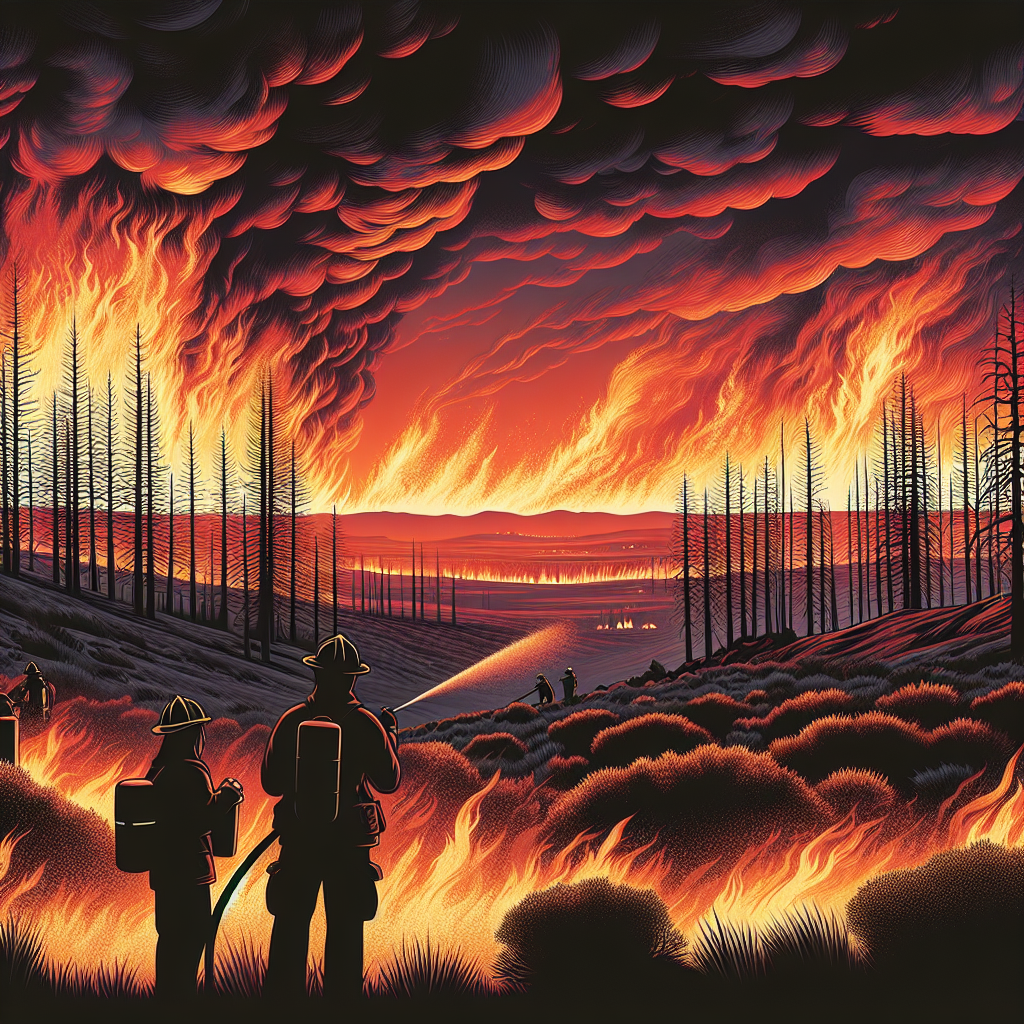
Smoke from Canadian wildfires has enveloped parts of the U.S., leading to hazardous air quality alerts. Detroit reported the worst air quality globally, while New York officials urged residents to stay indoors. Rising temperatures are contributing to increased wildfire intensity, with significant health impacts from prolonged smoke exposure.
- Country:
- United States
Thick smoke from Canadian wildfires blanketed areas of the U.S. from the Midwest to the Northeast this Thursday, prompting urgent health warnings. Residents were advised to stay indoors to avoid the dangerous air quality, particularly in Detroit, which recorded the worst global air quality according to IQAir, with a reading of 600, twice the EPA's 'hazardous' level.
Across regions like Minnesota, Michigan, and parts of Ontario, air quality reached hazardous levels, prompting alerts in states from Minnesota to Maryland. In New York, an orange-hued sky and acrid smell led officials to urge people, especially those with health risks, to remain inside. This alert came just days ahead of the FIFA World Cup final in New Jersey.
New York City distributed free KN95 masks amid the crisis. Canada reported 858 active fires, with 111 out of control, particularly in Manitoba, Saskatchewan, and Ontario. Experts link rising global temperatures to increased wildfire frequency, highlighting severe health risks from smoke inhalation, such as heart attacks and weakened immunity.


 Google News